
50 Years of Jaws: 10 reasons Spielberg's shark still terrifies us


In the last week of June, in 1975, audiences walked into theatres expecting another monster movie. They walked out afraid of the ocean. Half a century later, people who have never seen a shark in the wild still hesitate before swimming into deep water because of a mechanical prop that barely worked, a soundtrack built from just two notes, and a young director who accidentally reinvented Hollywood . More than any other film,
changed not just how movies were made but also when they were released, how they were marketed and how suspense itself could be constructed.
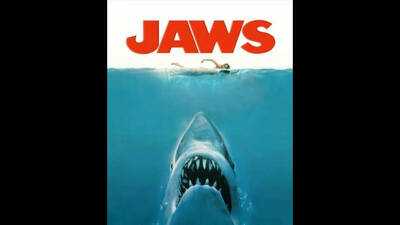
Here are 10 fascinating reasons why the terror of
has never really left us.
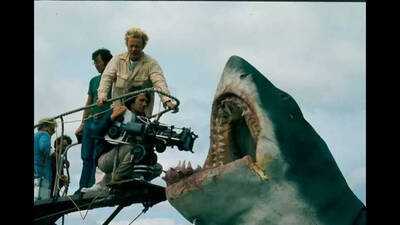
1. The shark barely worked, and that became the film's greatest strengthThe production's biggest disaster became its greatest creative triumph. The three full-size mechanical sharks built for filming constantly malfunctioned in the saltwater off Martha's Vineyard. Entire shooting days were lost because the sharks simply refused to operate. Instead of showing the creature, director Steven Spielberg was forced to hide it. The audience saw ripples in the water, floating barrels, broken docks and frightened faces long before they ever saw the predator itself.
Psychologists have long known that the human brain fears uncertainty more than certainty. By forcing viewers to imagine what lurked beneath the surface,
became infinitely scarier than any fully visible monster could have been.
2. Two musical notes became the sound of fearNo film score has achieved more with less than John Williams ' music. The famous ‘da-dum... da-dum’ motif consists of only two alternating notes played repeatedly by low strings. It begins slowly before accelerating almost imperceptibly, mirroring a predator closing the distance. The brilliance lies in what the music does psychologically. Our brains instinctively detect patterns. Once viewers learned that those two notes meant danger, the soundtrack alone became enough to trigger anxiety, even when nothing appeared on screen. Spielberg reportedly joked that half the film's success belonged to Williams. He was only half joking.
3. You often know the shark is coming before the characters doOne of Spielberg's most effective storytelling devices is dramatic irony. The audience frequently receives information that the characters lack. We know something dangerous is approaching while swimmers continue laughing, talking and splashing in complete innocence. This creates sustained tension because viewers become helpless witnesses rather than surprised observers. The anxiety begins long before the attack itself.
4. The ocean becomes the real villainUnlike haunted houses or dark forests, the beach is usually associated with safety, holidays and childhood joy.
weaponised familiarity. After watching the film, countless viewers reported becoming nervous not only in the sea but even in swimming pools and lakes. The fear had little to do with sharks and everything to do with invisible danger hiding beneath apparently peaceful surfaces. That psychological shift explains why the film outlived countless creature features.
5. It created the modern summer blockbusterBefore
, major studios rarely treated summer as their biggest season. Conventional wisdom suggested audiences spent warm months outdoors instead of inside cinemas. Universal Pictures ignored that assumption. The studio released
simultaneously across hundreds of theatres while supporting it with an unprecedented national television advertising campaign. The strategy transformed film distribution forever. Every major summer event movie, from Star Wars to the latest superhero franchise, owes something to
.
6. The famous Indianapolis speech almost wasn't in the filmMany critics consider Quint's USS Indianapolis monologue the emotional centre of the movie. Actor Robert Shaw helped rewrite the speech shortly before filming, drawing upon the real-life sinking of the USS
during the closing weeks of the Second World War. The scene transforms Quint from an eccentric shark hunter into a traumatised survivor whose obsession suddenly makes complete sense. It is one of cinema's finest examples of character development delivered through a single uninterrupted story.
7. The film made millions fear sharks but helped save them decades laterIronically,
contributed to widespread public fear of sharks. Marine scientists later expressed concern that the film encouraged indiscriminate shark hunting during the years that followed. Interestingly, Spielberg himself has said he regrets the unintended consequences. Modern conservationists have since worked hard to explain that shark attacks remain extraordinarily rare compared with everyday human risks. The movie frightened people, but it also sparked lasting public fascination with marine biology.
8. Spielberg was only twenty-seven years oldIt is astonishing to remember that Spielberg directed one of cinema's defining masterpieces before turning thirty. The production was plagued by equipment failures, weather delays, budget overruns and studio anxiety. Many industry observers expected the film to become an expensive failure. Instead, Spielberg demonstrated extraordinary confidence under pressure, improvising solutions almost daily. That ability to transform setbacks into artistic advantages became one of his defining traits throughout his career.
9. The film succeeds because it is really about three men, not one sharkMany monster movies become repetitive because audiences eventually understand the creature.
avoids that trap by shifting attention toward three unforgettable personalities. Police chief Brody represents caution and responsibility. Marine biologist Hooper embodies scientific curiosity. Quint personifies obsession and vengeance.
changed not just how movies were made but also when they were released, how they were marketed and how suspense itself could be constructed.
Here are 10 fascinating reasons why the terror of
has never really left us.
1. The shark barely worked, and that became the film's greatest strengthThe production's biggest disaster became its greatest creative triumph. The three full-size mechanical sharks built for filming constantly malfunctioned in the saltwater off Martha's Vineyard. Entire shooting days were lost because the sharks simply refused to operate. Instead of showing the creature, director Steven Spielberg was forced to hide it. The audience saw ripples in the water, floating barrels, broken docks and frightened faces long before they ever saw the predator itself.
Psychologists have long known that the human brain fears uncertainty more than certainty. By forcing viewers to imagine what lurked beneath the surface,
became infinitely scarier than any fully visible monster could have been.
2. Two musical notes became the sound of fearNo film score has achieved more with less than John Williams ' music. The famous ‘da-dum... da-dum’ motif consists of only two alternating notes played repeatedly by low strings. It begins slowly before accelerating almost imperceptibly, mirroring a predator closing the distance. The brilliance lies in what the music does psychologically. Our brains instinctively detect patterns. Once viewers learned that those two notes meant danger, the soundtrack alone became enough to trigger anxiety, even when nothing appeared on screen. Spielberg reportedly joked that half the film's success belonged to Williams. He was only half joking.
3. You often know the shark is coming before the characters doOne of Spielberg's most effective storytelling devices is dramatic irony. The audience frequently receives information that the characters lack. We know something dangerous is approaching while swimmers continue laughing, talking and splashing in complete innocence. This creates sustained tension because viewers become helpless witnesses rather than surprised observers. The anxiety begins long before the attack itself.
4. The ocean becomes the real villainUnlike haunted houses or dark forests, the beach is usually associated with safety, holidays and childhood joy.
weaponised familiarity. After watching the film, countless viewers reported becoming nervous not only in the sea but even in swimming pools and lakes. The fear had little to do with sharks and everything to do with invisible danger hiding beneath apparently peaceful surfaces. That psychological shift explains why the film outlived countless creature features.
5. It created the modern summer blockbusterBefore
, major studios rarely treated summer as their biggest season. Conventional wisdom suggested audiences spent warm months outdoors instead of inside cinemas. Universal Pictures ignored that assumption. The studio released
simultaneously across hundreds of theatres while supporting it with an unprecedented national television advertising campaign. The strategy transformed film distribution forever. Every major summer event movie, from Star Wars to the latest superhero franchise, owes something to
.
6. The famous Indianapolis speech almost wasn't in the filmMany critics consider Quint's USS Indianapolis monologue the emotional centre of the movie. Actor Robert Shaw helped rewrite the speech shortly before filming, drawing upon the real-life sinking of the USS
during the closing weeks of the Second World War. The scene transforms Quint from an eccentric shark hunter into a traumatised survivor whose obsession suddenly makes complete sense. It is one of cinema's finest examples of character development delivered through a single uninterrupted story.
7. The film made millions fear sharks but helped save them decades laterIronically,
contributed to widespread public fear of sharks. Marine scientists later expressed concern that the film encouraged indiscriminate shark hunting during the years that followed. Interestingly, Spielberg himself has said he regrets the unintended consequences. Modern conservationists have since worked hard to explain that shark attacks remain extraordinarily rare compared with everyday human risks. The movie frightened people, but it also sparked lasting public fascination with marine biology.
8. Spielberg was only twenty-seven years oldIt is astonishing to remember that Spielberg directed one of cinema's defining masterpieces before turning thirty. The production was plagued by equipment failures, weather delays, budget overruns and studio anxiety. Many industry observers expected the film to become an expensive failure. Instead, Spielberg demonstrated extraordinary confidence under pressure, improvising solutions almost daily. That ability to transform setbacks into artistic advantages became one of his defining traits throughout his career.
9. The film succeeds because it is really about three men, not one sharkMany monster movies become repetitive because audiences eventually understand the creature.
avoids that trap by shifting attention toward three unforgettable personalities. Police chief Brody represents caution and responsibility. Marine biologist Hooper embodies scientific curiosity. Quint personifies obsession and vengeance.
Next Story