
6 Best Stargazing Destinations in India to Witness the Magical Milky Way

Imagine escaping the city lights, lying beneath a vast night sky and watching countless stars sparkle above you. The best stargazing destinations in India offer travellers a chance to experience this magical sight, with some locations even providing opportunities to photograph the Milky Way. From the remote mountains of Ladakh to the sweeping deserts of Rajasthan and Gujarat, these places promise unforgettable nights under the stars. September to February can be a favourable period for stargazing in several regions, but clear skies, moonlight and local weather conditions ultimately determine visibility.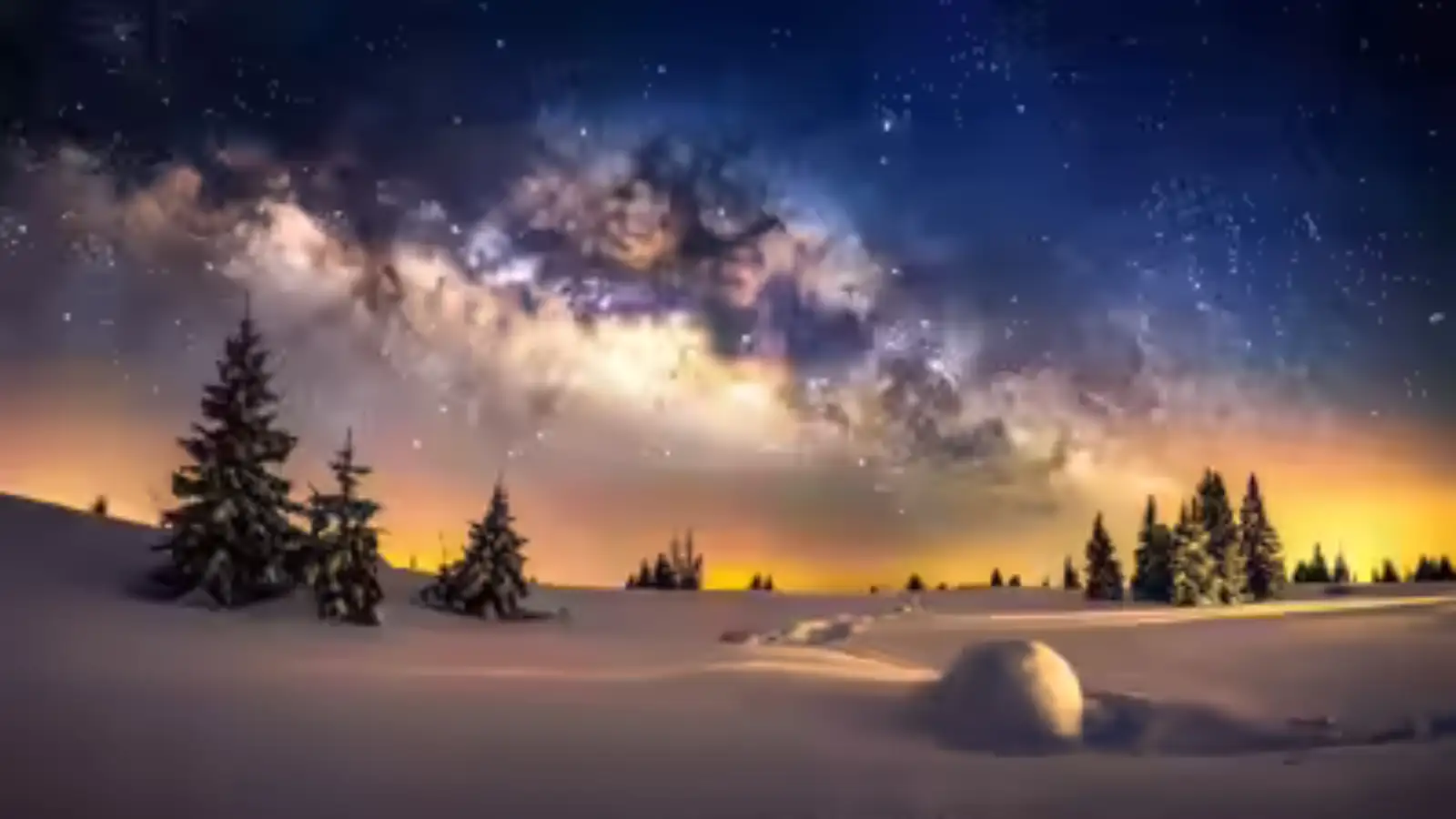
Situated at a high altitude and far from major urban centres, Hanle benefits from limited artificial lighting, making it an excellent location for observing stars, constellations and celestial objects. On clear nights, the vast sky provides spectacular opportunities for astrophotography and Milky Way photography.
The destination also offers a peaceful escape from crowded tourist spots. Visitors can explore the surrounding Himalayan landscape during the day and enjoy the night sky after sunset. The warmer months are generally more suitable for travelling to this remote region, although conditions can vary.
Travel tip: Hanle's high altitude requires careful planning. Allow sufficient time to acclimatise, check road conditions and follow local travel and access guidelines before your visit.
Villages such as Kibber and Langza are popular among travellers exploring the region's high-altitude landscapes. After spending the day visiting monasteries, admiring mountain views and discovering traditional villages, visitors can turn their attention to the sky after dark.
On clear nights, the combination of rugged mountains and a star-filled sky creates a spectacular setting for night photography. Spiti is particularly appealing to photographers who want to capture the Milky Way against a dramatic Himalayan backdrop.
Summer and early autumn are worth considering for a trip, as conditions may be more suitable for exploring the region. However, mountain weather can change rapidly, and road accessibility depends on the season.
Travel tip: Carry warm clothing even during summer, choose accommodation away from bright lights and check local weather and road updates before travelling.
During the day, travellers can admire the white salt desert, explore nearby villages and discover the region's traditional crafts. As night falls, the landscape takes on a quieter atmosphere, providing a memorable backdrop for stargazing and night-sky photography.
Winter is a popular season to visit the Rann because daytime temperatures are generally more comfortable for sightseeing. Travellers can also plan their trip around the Rann Utsav, the region's celebrated cultural festival, subject to its official dates and local access arrangements.
For a better view of the stars, it is important to find a suitable location away from brightly illuminated resorts, camps and festival areas.
Travel tip: Check local entry requirements and permitted viewing areas before heading out after dark. Clear skies and minimal light pollution will make a significant difference to your experience.
Away from busy towns and heavily illuminated areas, visitors may find peaceful spots where the night sky becomes the highlight of the evening. A countryside stay can make the experience especially relaxing, allowing travellers to spend their days exploring coffee estates and green landscapes before stepping outside to observe the stars.
The period from October to March can be worth considering, although cloud cover and local weather conditions can affect visibility. Choosing a night with a clear forecast and little moonlight can improve the chances of seeing more stars.
Coorg is particularly suitable for couples, families and nature lovers who want to add a little astronomy to a relaxed holiday without undertaking a challenging mountain journey.
Travel tip: Choose accommodation with an open outdoor area away from artificial lighting. Avoid nights with heavy cloud cover, and always use safe, designated spots for viewing the sky.
The region offers plenty to explore during daylight hours, from scenic walking trails and traditional settlements to impressive mountain views. After sunset, clear weather can reveal a beautiful night sky, offering opportunities to identify constellations and experiment with night-sky photography.
Unlike crowded urban destinations, Munsiyari allows visitors to enjoy a quieter atmosphere surrounded by nature. The contrast between the dark mountain landscape and the stars above can make even a simple evening outdoors feel special.
However, weather conditions in the mountains can be unpredictable. Heavy rain, cloud cover and winter conditions may affect both visibility and travel plans, so it is important to choose dates carefully.
Travel tip: Check the local forecast before planning a stargazing session, carry adequate winter clothing and select a safe viewing area with an unobstructed view of the sky.
Travellers can spend the day exploring Jaisalmer Fort, wandering through traditional markets and admiring the city's historic havelis. Later, an overnight desert stay can provide a different perspective on the region, with open landscapes creating a memorable setting for stargazing.
Winter is a particularly comfortable season for combining sightseeing with an evening in the desert. On clear nights, visitors may be able to spot prominent constellations and capture photographs of the stars. The visibility of the Milky Way, however, depends on the season, moonlight, atmospheric conditions and distance from artificial lighting.
Choosing the right desert camp is essential. Some properties use bright decorative lights and entertainment setups that can reduce visibility, so travellers should enquire about suitable dark areas before booking.
Travel tip: Look for a camp that offers a quiet, designated stargazing spot away from illuminated tents and activity areas. Carry warm layers, as desert temperatures can drop considerably after sunset.
Wherever you choose to go, remember that stargazing depends on more than the destination alone. A clear, moonless night and a location away from artificial lights can make all the difference. With the right planning, India's mountains, deserts and countryside can offer a wonderful opportunity to pause, look up and appreciate the beauty of the universe.
1. Hanle, Ladakh: Discover India's Dark Sky Reserve
For travellers passionate about astronomy, Hanle in eastern Ladakh is one of India's most exciting stargazing destinations. This remote Himalayan village is home to the Hanle Dark Sky Reserve , India's first designated dark-sky reserve, established to protect the natural darkness of the night sky and encourage astronomy-related activities.Situated at a high altitude and far from major urban centres, Hanle benefits from limited artificial lighting, making it an excellent location for observing stars, constellations and celestial objects. On clear nights, the vast sky provides spectacular opportunities for astrophotography and Milky Way photography.
The destination also offers a peaceful escape from crowded tourist spots. Visitors can explore the surrounding Himalayan landscape during the day and enjoy the night sky after sunset. The warmer months are generally more suitable for travelling to this remote region, although conditions can vary.
Travel tip: Hanle's high altitude requires careful planning. Allow sufficient time to acclimatise, check road conditions and follow local travel and access guidelines before your visit.
2. Spiti Valley, Himachal Pradesh: Stargazing Amid the Himalayas
Spiti Valley is an ideal choice for travellers who want to combine dramatic mountain scenery with an unforgettable night-sky experience. Known for its barren landscapes, ancient monasteries and remote settlements, the valley offers several locations where visitors can escape bright city lights and observe the stars.Villages such as Kibber and Langza are popular among travellers exploring the region's high-altitude landscapes. After spending the day visiting monasteries, admiring mountain views and discovering traditional villages, visitors can turn their attention to the sky after dark.
On clear nights, the combination of rugged mountains and a star-filled sky creates a spectacular setting for night photography. Spiti is particularly appealing to photographers who want to capture the Milky Way against a dramatic Himalayan backdrop.
Summer and early autumn are worth considering for a trip, as conditions may be more suitable for exploring the region. However, mountain weather can change rapidly, and road accessibility depends on the season.
Travel tip: Carry warm clothing even during summer, choose accommodation away from bright lights and check local weather and road updates before travelling.
3. Rann of Kutch , Gujarat: Watch the Stars Over a White Desert
The Rann of Kutch offers a distinctive stargazing experience, with its expansive salt flats and seemingly endless horizon creating a striking contrast against the night sky. Unlike the mountainous landscapes of northern India, this destination lets visitors enjoy the beauty of the stars across a vast, open desert setting.During the day, travellers can admire the white salt desert, explore nearby villages and discover the region's traditional crafts. As night falls, the landscape takes on a quieter atmosphere, providing a memorable backdrop for stargazing and night-sky photography.
Winter is a popular season to visit the Rann because daytime temperatures are generally more comfortable for sightseeing. Travellers can also plan their trip around the Rann Utsav, the region's celebrated cultural festival, subject to its official dates and local access arrangements.
For a better view of the stars, it is important to find a suitable location away from brightly illuminated resorts, camps and festival areas.
Travel tip: Check local entry requirements and permitted viewing areas before heading out after dark. Clear skies and minimal light pollution will make a significant difference to your experience.
4. Coorg , Karnataka: Enjoy a Peaceful Night Under the Stars
Coorg, also known as Kodagu, is famous for its lush coffee plantations, rolling hills and refreshing natural surroundings. While it may not offer the same consistently dark skies as India's most remote high-altitude locations, the region provides a more accessible option for travellers interested in casual stargazing.Away from busy towns and heavily illuminated areas, visitors may find peaceful spots where the night sky becomes the highlight of the evening. A countryside stay can make the experience especially relaxing, allowing travellers to spend their days exploring coffee estates and green landscapes before stepping outside to observe the stars.
The period from October to March can be worth considering, although cloud cover and local weather conditions can affect visibility. Choosing a night with a clear forecast and little moonlight can improve the chances of seeing more stars.
Coorg is particularly suitable for couples, families and nature lovers who want to add a little astronomy to a relaxed holiday without undertaking a challenging mountain journey.
Travel tip: Choose accommodation with an open outdoor area away from artificial lighting. Avoid nights with heavy cloud cover, and always use safe, designated spots for viewing the sky.
5. Munsiyari , Uttarakhand: Find the Stars in a Himalayan Hideaway
Nestled in Uttarakhand's Pithoragarh district, Munsiyari is known for its mountain scenery, peaceful villages and views of the surrounding Himalayan peaks. Its relatively remote location makes it an appealing destination for travellers looking to combine a mountain getaway with stargazing.The region offers plenty to explore during daylight hours, from scenic walking trails and traditional settlements to impressive mountain views. After sunset, clear weather can reveal a beautiful night sky, offering opportunities to identify constellations and experiment with night-sky photography.
Unlike crowded urban destinations, Munsiyari allows visitors to enjoy a quieter atmosphere surrounded by nature. The contrast between the dark mountain landscape and the stars above can make even a simple evening outdoors feel special.
However, weather conditions in the mountains can be unpredictable. Heavy rain, cloud cover and winter conditions may affect both visibility and travel plans, so it is important to choose dates carefully.
You may also like
- Most travellers visit Hampi for its ruins, but this hidden rocky site, accessible by a coracle ride, holds a different surprise
- 'This is not the India I remember': Foreign traveller compares road trips after 17 years, praises smoother highways, clean washrooms and coffee stops
- Folk and classical traditions unite at Navratri show
- Why Cellulite Creams May Never Reach the Real Problem
- Gardening Tips: 10 Vertical Botanical Decor Ideas To Bring Nature Into Small Apartments
Travel tip: Check the local forecast before planning a stargazing session, carry adequate winter clothing and select a safe viewing area with an unobstructed view of the sky.
6. Jaisalmer, Rajasthan: Experience Desert Stargazing in the Thar
Jaisalmer is widely recognised for its golden sandstone architecture, historic fort and desert adventures. Beyond its popular tourist attractions, the surrounding Thar Desert also offers opportunities to experience the night sky away from the bright lights of the city.Travellers can spend the day exploring Jaisalmer Fort, wandering through traditional markets and admiring the city's historic havelis. Later, an overnight desert stay can provide a different perspective on the region, with open landscapes creating a memorable setting for stargazing.
Winter is a particularly comfortable season for combining sightseeing with an evening in the desert. On clear nights, visitors may be able to spot prominent constellations and capture photographs of the stars. The visibility of the Milky Way, however, depends on the season, moonlight, atmospheric conditions and distance from artificial lighting.
Choosing the right desert camp is essential. Some properties use bright decorative lights and entertainment setups that can reduce visibility, so travellers should enquire about suitable dark areas before booking.
Travel tip: Look for a camp that offers a quiet, designated stargazing spot away from illuminated tents and activity areas. Carry warm layers, as desert temperatures can drop considerably after sunset.
Tips for Planning a Stargazing Trip in India
Choosing the right destination is only part of the experience. A little preparation can help you make the most of your time beneath the night sky.- Check the lunar calendar: Nights around the new moon are generally better for viewing faint stars and the Milky Way because there is less moonlight.
- Look for clear skies: Cloud cover, haze and atmospheric conditions can affect visibility, even in remote destinations.
- Avoid artificial lighting: Stay away from brightly lit towns, resorts, highways and event venues whenever possible.
- Choose the right season: Travel conditions and sky visibility vary by destination. Research local weather patterns before finalising your itinerary.
- Carry suitable equipment: A camera with manual settings, a tripod and warm clothing can be useful, particularly in mountain regions.
- Allow your eyes to adjust: Spend around 20–30 minutes away from bright lights to help your eyes adapt to the darkness.
- Prioritise safety: Use designated viewing areas, check local travel restrictions and avoid venturing into unfamiliar terrain alone at night.
Which Is the Best Stargazing Destination in India?
The best destination depends on the kind of experience you want. Hanle is a strong choice for dedicated astronomy enthusiasts, thanks to its dark-sky reserve and remote setting. Spiti Valley and Munsiyari appeal to travellers who want to combine Himalayan scenery with stargazing, while the Rann of Kutch and Jaisalmer offer memorable desert landscapes. Coorg is a more accessible option for those seeking a relaxed countryside getaway.Wherever you choose to go, remember that stargazing depends on more than the destination alone. A clear, moonless night and a location away from artificial lights can make all the difference. With the right planning, India's mountains, deserts and countryside can offer a wonderful opportunity to pause, look up and appreciate the beauty of the universe.






Loving Newspoint? Download the app now
