
6 Health Benefits of Raisins for Women: From Stronger Bones to Better Digestion

Raisins may be small, but these naturally sweet dried fruits pack several nutrients that can support women's health. From managing iron levels and improving digestion to supporting stronger bones and heart health, including raisins in your daily diet can offer multiple benefits. Women experience various hormonal changes, menstrual blood loss and age-related nutritional requirements, making a balanced diet particularly important. Adding a small handful of raisins, especially soaked black raisins , to your daily routine can be a simple way to improve nutrient intake and support overall well-being.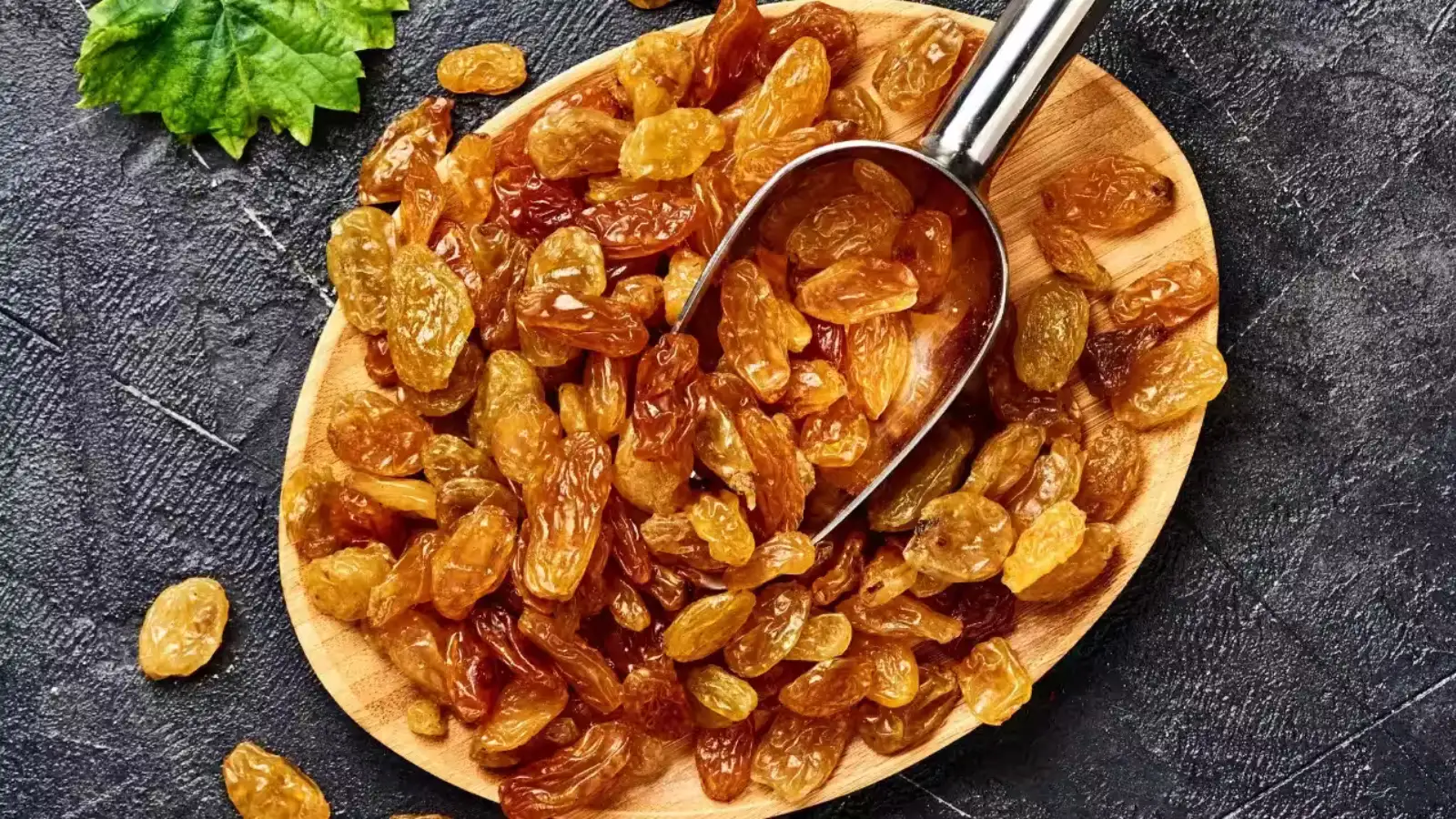
For women dealing with busy schedules, changing nutritional needs and fluctuating energy levels, raisins can be a convenient addition to everyday meals. They can be eaten on their own or added to breakfast cereals, smoothies, yoghurt and traditional dishes.
Here are six ways eating raisins regularly may benefit women's health.
Raisins provide plant-based iron, along with copper and other nutrients involved in red blood cell production. Including them in a balanced diet may help improve daily iron intake and support healthy blood function.
A nutritional review published in the journal 'Nutrients' highlighted that raisins can contribute to daily iron and potassium intake, making them a useful addition to diets that may lack certain micronutrients.
Soaked black raisins are another popular breakfast option. However, soaking does not significantly increase their iron content. Women with diagnosed iron deficiency should also consult a healthcare professional rather than depend on raisins alone to correct low iron levels.
Calcium and vitamin D are essential for maintaining healthy bones, but other minerals also contribute to bone strength. Raisins contain boron, a trace mineral that is associated with calcium and magnesium metabolism.
Research published in the Journal of Trace Elements in Medicine and Biology, along with nutritional information from the U.S. Department of Agriculture (USDA), highlights the role of boron in mineral metabolism and bone health.
Adding raisins to a balanced diet can help increase the intake of certain minerals. However, they should complement, rather than replace, calcium-rich foods, vitamin D sources and other measures recommended for maintaining bone density.
Raisins contain dietary fibre, including soluble and insoluble fibre, which helps support regular bowel movements. They also contain tartaric acid, a naturally occurring fruit acid that may contribute to digestive health.
A clinical study published in the Journal of Nutrition found that consuming two daily servings of sun-dried raisins helped improve intestinal transit time and increase stool weight. These findings suggest that raisins may help support bowel regularity and relieve occasional constipation.
For an easy way to include them in your diet, add a few raisins to your morning oats, yoghurt or breakfast bowl. Remember to drink enough water throughout the day, as adequate hydration is also important for healthy digestion.
Raisins contain potassium, a mineral that helps balance sodium levels and supports healthy blood pressure. They also provide plant compounds called polyphenols, which have antioxidant properties and may help protect cells against oxidative stress.
Research presented at the American College of Cardiology has explored the effects of regular raisin consumption on blood pressure and blood sugar levels. Some findings suggest that raisins may offer benefits when used as a replacement for less nutritious processed snacks.
Although raisins taste sweet, their natural sugars come with fibre and other nutrients. However, portion control remains important, especially for women monitoring their blood glucose levels.
Raisins contain antioxidants, including polyphenols and resveratrol, which help protect cells from damage caused by free radicals. Oxidative stress is one of the factors associated with premature skin ageing.
Research on grape-derived polyphenols published in the Journal of Agricultural and Food Chemistry has examined their potential role in protecting skin cells against oxidative damage.
Including raisins as part of an antioxidant-rich diet may support overall skin health. However, eating raisins alone cannot prevent wrinkles or reverse ageing. A nutritious diet, regular hydration and daily sunscreen use remain important for maintaining healthy-looking skin.
Raisins contain natural glucose and fructose, which provide energy to the body. Their potassium content also supports normal muscle function, while fibre contributes to their nutritional value.
Sports nutrition research published in the Journal of the International Society of Sports Nutrition found that raisins could be an effective alternative to commercial sports jelly beans for supporting blood glucose levels and endurance during prolonged physical activity.
You can eat a handful before a workout or add raisins to a bowl of nuts for a convenient afternoon snack. Pairing them with protein or healthy fats can also make your snack more balanced.
A small handful of approximately 30 grams per day is a reasonable serving for most people. You can include them in your breakfast, mix them with nuts or enjoy them as a snack between meals.
Women who have diabetes or need to monitor their blood sugar levels should pay attention to portion sizes. Combining raisins with almonds or walnuts can make for a more balanced snack, although it does not eliminate their carbohydrate content.
However, there is no strong evidence that soaked black raisins offer significantly greater health benefits than regular raisins. Their nutritional value largely depends on the quantity consumed and the overall quality of your diet.
Raisins are an affordable and convenient dried fruit that can contribute to women's daily nutritional requirements. Their iron, potassium, fibre and antioxidant content makes them a useful addition to a balanced eating plan. From supporting digestion and heart health to providing natural energy, these little fruits offer several potential benefits. However, they are not a substitute for a varied diet or medical treatment. Enjoying them in moderate portions alongside other nutrient-rich foods is the best way to make them part of a healthy lifestyle.
Why Are Raisins Good for Women's Health?
Raisins are made by drying grapes, a process that concentrates their natural sugars, fibre and minerals. They contain important nutrients such as iron, potassium, copper and antioxidants, which play different roles in maintaining good health.For women dealing with busy schedules, changing nutritional needs and fluctuating energy levels, raisins can be a convenient addition to everyday meals. They can be eaten on their own or added to breakfast cereals, smoothies, yoghurt and traditional dishes.
Here are six ways eating raisins regularly may benefit women's health.
1. Helps Prevent Iron Deficiency and Tiredness
Iron deficiency is a common nutritional concern among women, particularly those who experience heavy menstrual bleeding or have increased iron requirements during pregnancy. Low iron levels can affect haemoglobin production, leaving the body struggling to transport enough oxygen to its tissues. This may result in tiredness, weakness and reduced energy.Raisins provide plant-based iron, along with copper and other nutrients involved in red blood cell production. Including them in a balanced diet may help improve daily iron intake and support healthy blood function.
A nutritional review published in the journal 'Nutrients' highlighted that raisins can contribute to daily iron and potassium intake, making them a useful addition to diets that may lack certain micronutrients.
Soaked black raisins are another popular breakfast option. However, soaking does not significantly increase their iron content. Women with diagnosed iron deficiency should also consult a healthcare professional rather than depend on raisins alone to correct low iron levels.
2. Supports Strong Bones After Menopause
Bone health becomes increasingly important as women grow older. During perimenopause and menopause, declining oestrogen levels can accelerate bone loss, increasing the chances of developing conditions such as osteopenia and osteoporosis.Calcium and vitamin D are essential for maintaining healthy bones, but other minerals also contribute to bone strength. Raisins contain boron, a trace mineral that is associated with calcium and magnesium metabolism.
Research published in the Journal of Trace Elements in Medicine and Biology, along with nutritional information from the U.S. Department of Agriculture (USDA), highlights the role of boron in mineral metabolism and bone health.
Adding raisins to a balanced diet can help increase the intake of certain minerals. However, they should complement, rather than replace, calcium-rich foods, vitamin D sources and other measures recommended for maintaining bone density.
3. Improves Digestion and Helps Relieve Constipation
Digestive discomfort, bloating and constipation are common concerns for many women. Hormonal fluctuations during menstruation and pregnancy can also influence bowel movements and make digestion feel uncomfortable.Raisins contain dietary fibre, including soluble and insoluble fibre, which helps support regular bowel movements. They also contain tartaric acid, a naturally occurring fruit acid that may contribute to digestive health.
A clinical study published in the Journal of Nutrition found that consuming two daily servings of sun-dried raisins helped improve intestinal transit time and increase stool weight. These findings suggest that raisins may help support bowel regularity and relieve occasional constipation.
For an easy way to include them in your diet, add a few raisins to your morning oats, yoghurt or breakfast bowl. Remember to drink enough water throughout the day, as adequate hydration is also important for healthy digestion.
4. Promotes Heart Health and Supports Healthy Blood Pressure
Heart health deserves attention at every stage of a woman's life. The risk of cardiovascular problems can increase with age, particularly after menopause, when changes in hormone levels may influence heart health.Raisins contain potassium, a mineral that helps balance sodium levels and supports healthy blood pressure. They also provide plant compounds called polyphenols, which have antioxidant properties and may help protect cells against oxidative stress.
Research presented at the American College of Cardiology has explored the effects of regular raisin consumption on blood pressure and blood sugar levels. Some findings suggest that raisins may offer benefits when used as a replacement for less nutritious processed snacks.
Although raisins taste sweet, their natural sugars come with fibre and other nutrients. However, portion control remains important, especially for women monitoring their blood glucose levels.
5. Helps Protect Skin From Premature Ageing
Healthy skin depends on several factors, including nutrition, hydration, sun protection and lifestyle habits. As women age, collagen production gradually declines, which can contribute to fine lines, reduced elasticity and changes in skin texture.Raisins contain antioxidants, including polyphenols and resveratrol, which help protect cells from damage caused by free radicals. Oxidative stress is one of the factors associated with premature skin ageing.
Research on grape-derived polyphenols published in the Journal of Agricultural and Food Chemistry has examined their potential role in protecting skin cells against oxidative damage.
Including raisins as part of an antioxidant-rich diet may support overall skin health. However, eating raisins alone cannot prevent wrinkles or reverse ageing. A nutritious diet, regular hydration and daily sunscreen use remain important for maintaining healthy-looking skin.
6. Provides Natural Energy Without Relying on Caffeine
Managing work, household responsibilities, exercise and personal commitments can leave women feeling exhausted by the afternoon. Instead of repeatedly reaching for coffee, sugary drinks or packaged snacks, a small serving of raisins can be a convenient energy-boosting option.Raisins contain natural glucose and fructose, which provide energy to the body. Their potassium content also supports normal muscle function, while fibre contributes to their nutritional value.
Sports nutrition research published in the Journal of the International Society of Sports Nutrition found that raisins could be an effective alternative to commercial sports jelly beans for supporting blood glucose levels and endurance during prolonged physical activity.
You can eat a handful before a workout or add raisins to a bowl of nuts for a convenient afternoon snack. Pairing them with protein or healthy fats can also make your snack more balanced.
How Many Raisins Should Women Eat Every Day?
Although raisins offer several nutritional benefits, eating them in moderation is important. Since they are dried fruits, their natural sugars and calories are more concentrated than those in fresh grapes.A small handful of approximately 30 grams per day is a reasonable serving for most people. You can include them in your breakfast, mix them with nuts or enjoy them as a snack between meals.
Women who have diabetes or need to monitor their blood sugar levels should pay attention to portion sizes. Combining raisins with almonds or walnuts can make for a more balanced snack, although it does not eliminate their carbohydrate content.
Should You Eat Soaked Black Raisins or Regular Raisins?
Both regular and black raisins can be included in a healthy diet. Soaking raisins overnight makes them softer and may make them easier to chew. Many people prefer eating soaked black raisins in the morning as part of their breakfast routine.However, there is no strong evidence that soaked black raisins offer significantly greater health benefits than regular raisins. Their nutritional value largely depends on the quantity consumed and the overall quality of your diet.
Raisins are an affordable and convenient dried fruit that can contribute to women's daily nutritional requirements. Their iron, potassium, fibre and antioxidant content makes them a useful addition to a balanced eating plan. From supporting digestion and heart health to providing natural energy, these little fruits offer several potential benefits. However, they are not a substitute for a varied diet or medical treatment. Enjoying them in moderate portions alongside other nutrient-rich foods is the best way to make them part of a healthy lifestyle.






Loving Newspoint? Download the app now
