
Finding Peace in Simplicity: 6 Mindful Japanese Traditions for Mental Well-being

Modern life often pushes individuals to chase perfection, multitask continuously, and evaluate personal worth through material output. Over time, this intense pace leads to mental exhaustion and emotional detachment. Japanese culture has long embraced practices that counter these exact pressures, emphasizing mindfulness, simplicity, and finding beauty in the natural, impermanent world.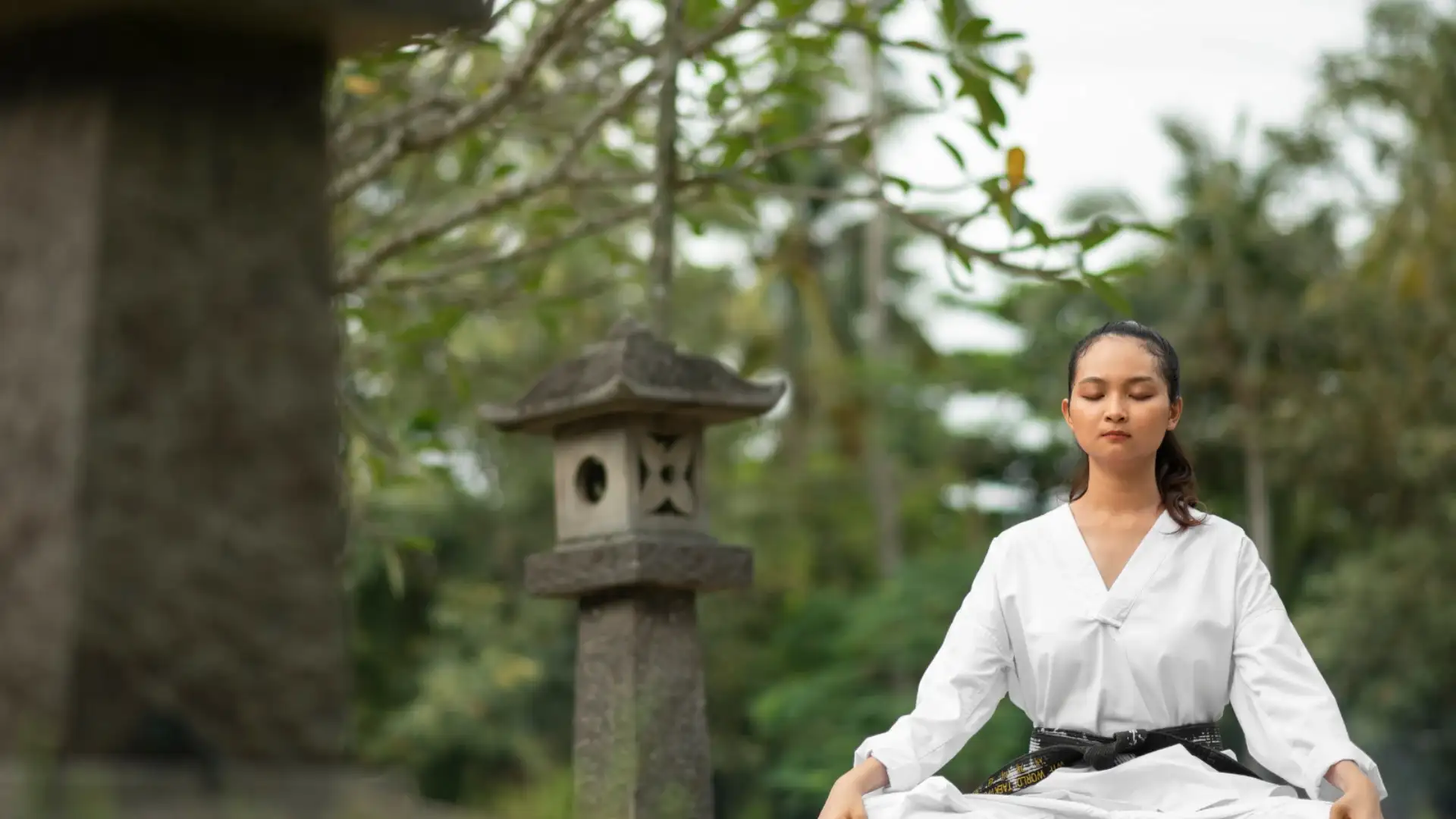
Integrating these six traditional Japanese philosophies into daily routines provides practical tools for slowing down, reducing anxiety, and building meaningful connections.
Integrating these six traditional Japanese philosophies into daily routines provides practical tools for slowing down, reducing anxiety, and building meaningful connections.
6 Japanese Practices for a Calmer Life
- Ikigai (Finding Your Purpose): Translating to "a reason for being," Ikigai encourages discovering the sweet spot where your passions, skills, values, and practical needs intersect. Instead of chasing grand achievements, Ikigai focuses on finding joy and purpose in small, daily activities.
- Wabi-Sabi (Embracing Imperfection): Rooted in Zen philosophy, Wabi-Sabi teaches appreciation for the flawed, imperfect, and temporary nature of life. It offers a powerful antidote to modern perfectionism, encouraging acceptance of life's natural changes and age.
- Shinrin-yoku (Forest Bathing): Shinrin-yoku involves immersing yourself intentionally in nature through all five senses. Spending quiet, screen-free time among trees is scientifically proven to lower cortisol levels, reduce blood pressure, and boost mood.
- Kintsugi (Finding Beauty in Brokenness): Kintsugi is the traditional art of repairing broken pottery with gold lacquer, highlighting the cracks rather than hiding them. As a life philosophy, it reminds us that personal scars, setbacks, and life challenges make us unique and resilient.
- Oubaitori (Avoiding Comparison): Derived from the kanji characters for four trees that bloom in spring (cherry, plum, peach, and apricot), Oubaitori asserts that every individual blooms at their own time and in their own way. It encourages focusing on personal growth rather than comparing timelines with others.
- Kaizen (Continuous Small Improvements): Kaizen focuses on making tiny, incremental changes every day rather than attempting overwhelming, radical transformations. Small, consistent actions reduce mental friction and make long-term habits effortless to maintain.
Cultivating Harmony in Daily Life
Living a calmer life does not require stepping away from modern responsibilities. By adopting small elements of these Japanese traditions whether spending 15 minutes outdoors, letting go of self-comparison, or embracing everyday imperfections you can create a grounded, resilient, and peaceful mindset.





Loving Newspoint? Download the app now
