
6 Nutrients Your Eyes Need for Better Vision That Most Indians Are Missing From Their Diet


Lutein: The filter your retina is running low onLutein is a carotenoid that deposits directly into the macula, the central part of the retina responsible for sharp, detailed vision. It acts as a biological filter against blue light and oxidative stress. The average Indian diet delivers roughly 1 to 2 mg of lutein per day. The therapeutic threshold most ophthalmologists reference is 10 mg. That gap is not trivial.
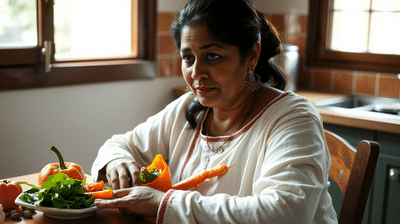 Spinach, methi leaves, and drumstick leaves are among the richest lutein sources available in Indian kitchens. The problem is preparation. Boiling these greens for extended periods degrades lutein significantly. A 2017 study published in the journal Nutrients found that steaming or lightly sautéing leafy greens preserved up to 83% of their lutein content compared to boiling, which destroyed nearly half. Eating them with a small amount of fat, a teaspoon of ghee or sesame oil, improves absorption, since lutein is fat-soluble. Zeaxanthin: Lutein's partner that most people have never heard ofZeaxanthin sits alongside lutein in the macula and performs the same filtering function, but it concentrates in the very centre of the visual field. Low zeaxanthin is directly associated with age-related macular degeneration, the leading cause of irreversible vision loss in adults over 50. The AREDS2 trial, a large-scale clinical study by the US National Eye Institute, confirmed that supplementing with lutein and zeaxanthin reduced the risk of advanced macular degeneration by 25% in high-risk individuals.
Corn, orange bell peppers, and egg yolks are the densest zeaxanthin sources. Maize is widely consumed across Maharashtra, Rajasthan, and the northeastern states, but usually in forms, roasted or ground into flour, that preserve zeaxanthin well. The issue is variety. Most Indians eat from a narrow colour palette. A plate that is predominantly white (rice, roti, dal) contains almost no zeaxanthin at all. Omega-3 fatty acids: The ones your tear film needsThe eye's surface depends on omega-3 fatty acids to maintain a stable tear film. Without adequate omega-3, the tear layer evaporates too quickly, causing dry eye syndrome, a condition affecting an estimated 32% of the Indian population, according to a 2020 study in the Indian Journal of Ophthalmology. Screen time has made this worse, but the dietary shortfall is the structural problem underneath.
DHA, the specific omega-3 most critical for retinal function, makes up about 50% of the fatty acids in the outer segments of photoreceptor cells. The body cannot synthesise DHA in meaningful quantities. It must come from food. Fatty fish, mackerel, sardines, rohu, are the most efficient sources. For vegetarians, flaxseed, chia seeds, and walnuts provide ALA, a precursor that the body converts to DHA at a rate of only 5 to 10%. This conversion rate means vegetarians need to eat significantly more ALA-rich foods than the amount most people actually consume. Vitamin A: The deficiency that still blinds childrenIndia accounts for a disproportionate share of the world's childhood blindness cases, and vitamin A deficiency remains a primary cause. The National Family Health Survey has repeatedly documented subclinical vitamin A deficiency across rural and semi-urban populations. Subclinical means no obvious symptoms, but the retina is already being compromised.
Vitamin A is essential for producing rhodopsin, the pigment in rod cells that enables vision in low light. Night blindness is the first sign of depletion. Severe deficiency leads to xerophthalmia, a progressive drying and ulceration of the cornea that can become permanent.
Liver is the single richest source, followed by egg yolks and full-fat dairy. Plant foods provide beta-carotene, which the body converts to vitamin A, but at a conversion ratio that varies widely by individual genetics and gut health. Carrots, sweet potato, and ripe mango are the most accessible beta-carotene sources in the Indian diet. Eating them with fat improves conversion. Cooking them briefly improves it further. Zinc: The mineral that moves vitamin A to your eyesZinc does not work on the retina directly. Its job is to transport vitamin A from the liver to the retina, and to activate enzymes that protect photoreceptors from oxidative damage. Without adequate zinc, vitamin A cannot reach the eye even when dietary intake is sufficient. This is why zinc deficiency and vitamin A deficiency often present together.
India has a documented zinc deficiency problem. A 2019 analysis in the journal Nutrients estimated that approximately 25% of the Indian population is at risk of inadequate zinc intake, with the highest risk among populations whose diet is dominated by phytate-rich foods, whole grains and legumes, that bind zinc and reduce its absorption.
Pumpkin seeds, sesame, and cashews are good plant-based zinc sources. Meat and shellfish deliver zinc in a more bioavailable form. Soaking and sprouting legumes before cooking reduces phytate content and improves zinc absorption meaningfully, a step that traditional Indian food preparation often included but that convenience cooking has largely abandoned. Vitamin C: What the lens of your eye is trying to hold ontoThe lens of the eye maintains one of the highest concentrations of vitamin C in the human body, roughly 20 times higher than blood plasma levels. This concentration exists because the lens is under constant oxidative assault from UV radiation. Vitamin C neutralises free radicals before they can damage lens proteins. When those proteins denature and clump, the result is a cataract.
Corn, orange bell peppers, and egg yolks are the densest zeaxanthin sources. Maize is widely consumed across Maharashtra, Rajasthan, and the northeastern states, but usually in forms, roasted or ground into flour, that preserve zeaxanthin well. The issue is variety. Most Indians eat from a narrow colour palette. A plate that is predominantly white (rice, roti, dal) contains almost no zeaxanthin at all. Omega-3 fatty acids: The ones your tear film needsThe eye's surface depends on omega-3 fatty acids to maintain a stable tear film. Without adequate omega-3, the tear layer evaporates too quickly, causing dry eye syndrome, a condition affecting an estimated 32% of the Indian population, according to a 2020 study in the Indian Journal of Ophthalmology. Screen time has made this worse, but the dietary shortfall is the structural problem underneath.
Liver is the single richest source, followed by egg yolks and full-fat dairy. Plant foods provide beta-carotene, which the body converts to vitamin A, but at a conversion ratio that varies widely by individual genetics and gut health. Carrots, sweet potato, and ripe mango are the most accessible beta-carotene sources in the Indian diet. Eating them with fat improves conversion. Cooking them briefly improves it further. Zinc: The mineral that moves vitamin A to your eyesZinc does not work on the retina directly. Its job is to transport vitamin A from the liver to the retina, and to activate enzymes that protect photoreceptors from oxidative damage. Without adequate zinc, vitamin A cannot reach the eye even when dietary intake is sufficient. This is why zinc deficiency and vitamin A deficiency often present together.
Pumpkin seeds, sesame, and cashews are good plant-based zinc sources. Meat and shellfish deliver zinc in a more bioavailable form. Soaking and sprouting legumes before cooking reduces phytate content and improves zinc absorption meaningfully, a step that traditional Indian food preparation often included but that convenience cooking has largely abandoned. Vitamin C: What the lens of your eye is trying to hold ontoThe lens of the eye maintains one of the highest concentrations of vitamin C in the human body, roughly 20 times higher than blood plasma levels. This concentration exists because the lens is under constant oxidative assault from UV radiation. Vitamin C neutralises free radicals before they can damage lens proteins. When those proteins denature and clump, the result is a cataract.
Next Story