
6 Plants That Can Survive Extreme Weather Conditions And How They Do It

Have you ever bought a beautiful plant for your home, only to watch it struggle and eventually wilt despite your best efforts? If so, you are not alone. Keeping plants alive can be challenging, especially when changing temperatures, extreme heat, freezing conditions or a lack of water take their toll. However, some plants have developed extraordinary survival mechanisms that allow them to thrive in some of the harshest environments on Earth. From scorching deserts and salty coastlines to freezing Antarctic landscapes, these six remarkable plants demonstrate how nature finds ways to survive even the toughest weather conditions.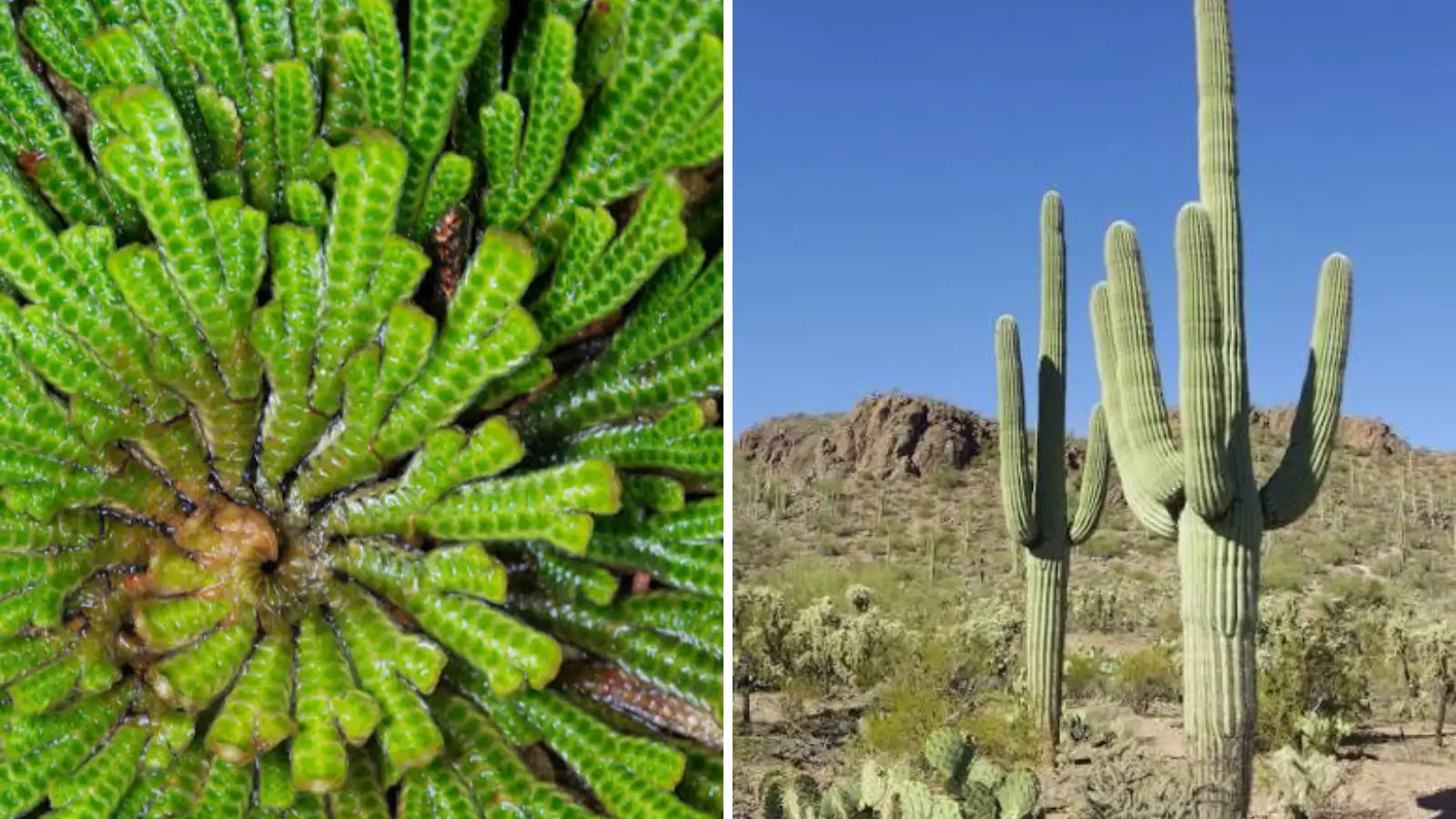
Unlike most plants, the saguaro does not depend on broad leaves to absorb sunlight. Instead, it has sharp spines that serve multiple purposes. They create small patches of shade across its surface and help reduce moisture loss by disrupting hot desert winds.
Its most fascinating adaptation is its accordion-like, pleated trunk. These folds allow the cactus to expand whenever rain arrives. Its shallow but widespread root system quickly absorbs water from the soil, which the plant stores in its thick stem. This reserve helps it survive for months without rainfall, making it perfectly suited to the unpredictable desert climate.
One of its most distinctive features is that it produces just two leaves throughout its entire lifetime. These long, leathery leaves continue growing over the years, eventually splitting and becoming tangled into ribbon-like sections.
So, how does it obtain enough moisture to survive? Instead of depending entirely on rainfall, Welwitschia takes advantage of the thick morning fog that travels inland from the Atlantic Ocean. Its leaves help capture moisture from the surrounding atmosphere, while its root system accesses available water in the soil.
This unusual ability to make use of coastal moisture allows the plant to survive in one of the driest regions on the planet.
Antarctica is known for its freezing temperatures, powerful winds and limited growing season. In fact, Antarctic hair grass is one of only two native flowering plants found on the continent.
Its biggest survival challenge is freezing water. When temperatures fall below zero, ice crystals can damage plant cells and destroy their internal structures. Antarctic hair grass protects itself by producing special sugars and proteins that help prevent freezing-related damage.
The plant can also survive beneath layers of snow for extended periods. Rather than continuing to grow during the harsh winter, it slows down its biological activities and waits for more favourable conditions. When summer arrives and the snow melts, it quickly resumes photosynthesis and growth.
These natural protective mechanisms allow it to withstand conditions that most flowering plants simply cannot tolerate.
Native to the Chihuahuan Desert, this remarkable plant can lose up to 95 per cent of its water content during prolonged dry spells. As moisture becomes scarce, its stems curl inward, forming a compact, brown ball. It may look lifeless, but the plant is actually in a dormant state.
One of its most important survival mechanisms involves a natural sugar called trehalose. This substance helps protect cellular structures during extreme dehydration, allowing the plant to remain dormant for years without losing its ability to recover.
When rain or sufficient moisture becomes available, the plant gradually unfolds and turns green again, sometimes within just a few hours. It then resumes its normal biological activities.
This extraordinary ability to survive extreme dehydration makes the resurrection plant a fascinating example of nature's resilience.
One of their most remarkable adaptations is their ability to limit salt absorption. Their specialised root membranes act as natural filters, blocking a large proportion of the salt present in seawater before it enters the plant.
But what happens to the salt that still manages to get inside? Red mangroves have another clever defence mechanism. They can accumulate excess salt in older leaves, which eventually turn yellow and fall off. By shedding these leaves, the plant gets rid of some of the unwanted salt.
Their distinctive stilt-like roots also provide stability in soft, waterlogged coastal soil and help them withstand changing tides.
These adaptations make red mangroves among the few trees capable of flourishing in challenging saltwater environments.
Their secret to longevity lies in their exceptionally slow growth. Since the growing season in these high-altitude locations lasts only a few weeks, bristlecone pines grow extremely slowly, sometimes adding less than a hundredth of an inch to their width in a year.
This slow growth produces remarkably dense, resin-rich wood that offers protection against insects, fungal infections and decay.
Another fascinating feature is their ability to survive even after suffering extensive physical damage. Strong winds and lightning can destroy large portions of their bark, yet a small strip of healthy living tissue may continue transporting nutrients and water throughout the tree.
Rather than relying on rapid growth, bristlecone pines survive through endurance, efficient resource use and an extraordinary ability to withstand environmental stress.
Whether it is the saguaro cactus storing water, Antarctic hair grass protecting its cells from freezing or the resurrection plant recovering after extreme dehydration, each species demonstrates a different approach to survival.
These remarkable plants also remind us that resilience does not always mean growing quickly or looking healthy all the time. Sometimes, surviving means conserving resources, slowing down and waiting for the right conditions to return.
1. Saguaro Cactus : Surviving Extreme Desert Heat
The Saguaro cactus is one of nature's most impressive survivors. Native to the Sonoran Desert, where summer temperatures can exceed 115°F (46°C) and rainfall is scarce, this giant cactus can grow as tall as a four-storey building and live for more than 100 years.Unlike most plants, the saguaro does not depend on broad leaves to absorb sunlight. Instead, it has sharp spines that serve multiple purposes. They create small patches of shade across its surface and help reduce moisture loss by disrupting hot desert winds.
Its most fascinating adaptation is its accordion-like, pleated trunk. These folds allow the cactus to expand whenever rain arrives. Its shallow but widespread root system quickly absorbs water from the soil, which the plant stores in its thick stem. This reserve helps it survive for months without rainfall, making it perfectly suited to the unpredictable desert climate.
2. Welwitschia Mirabilis : Thriving With Almost No Rainfall
Found in the Namib Desert of southern Africa, Welwitschia mirabilis is an unusual plant that can survive conditions that would be fatal to most vegetation. Some specimens are believed to be more than 1,500 years old, despite growing in an environment that receives very little rainfall, sometimes less than an inch annually.One of its most distinctive features is that it produces just two leaves throughout its entire lifetime. These long, leathery leaves continue growing over the years, eventually splitting and becoming tangled into ribbon-like sections.
So, how does it obtain enough moisture to survive? Instead of depending entirely on rainfall, Welwitschia takes advantage of the thick morning fog that travels inland from the Atlantic Ocean. Its leaves help capture moisture from the surrounding atmosphere, while its root system accesses available water in the soil.
This unusual ability to make use of coastal moisture allows the plant to survive in one of the driest regions on the planet.
3. Antarctic Hair Grass: Withstanding Freezing Temperatures
Most plants cannot survive prolonged exposure to extreme cold, but Antarctic hair grass (Deschampsia antarctica) has developed remarkable adaptations to live in one of the harshest places on Earth.Antarctica is known for its freezing temperatures, powerful winds and limited growing season. In fact, Antarctic hair grass is one of only two native flowering plants found on the continent.
Its biggest survival challenge is freezing water. When temperatures fall below zero, ice crystals can damage plant cells and destroy their internal structures. Antarctic hair grass protects itself by producing special sugars and proteins that help prevent freezing-related damage.
The plant can also survive beneath layers of snow for extended periods. Rather than continuing to grow during the harsh winter, it slows down its biological activities and waits for more favourable conditions. When summer arrives and the snow melts, it quickly resumes photosynthesis and growth.
These natural protective mechanisms allow it to withstand conditions that most flowering plants simply cannot tolerate.
4. Resurrection Plant : Coming Back to Life After Severe Drought
Imagine a plant that can lose almost all its water, appear completely dead and still come back to life when it rains. That is exactly what makes the resurrection plant (Selaginella lepidophylla) so extraordinary.Native to the Chihuahuan Desert, this remarkable plant can lose up to 95 per cent of its water content during prolonged dry spells. As moisture becomes scarce, its stems curl inward, forming a compact, brown ball. It may look lifeless, but the plant is actually in a dormant state.
One of its most important survival mechanisms involves a natural sugar called trehalose. This substance helps protect cellular structures during extreme dehydration, allowing the plant to remain dormant for years without losing its ability to recover.
When rain or sufficient moisture becomes available, the plant gradually unfolds and turns green again, sometimes within just a few hours. It then resumes its normal biological activities.
This extraordinary ability to survive extreme dehydration makes the resurrection plant a fascinating example of nature's resilience.
5. Red Mangroves: Surviving in Salty Seawater
Most plants struggle to grow in highly salty environments because salt makes it difficult for their roots to absorb fresh water. Red mangroves, however, have evolved specialised mechanisms that allow them to thrive along tropical coastlines, where seawater regularly floods their surroundings.One of their most remarkable adaptations is their ability to limit salt absorption. Their specialised root membranes act as natural filters, blocking a large proportion of the salt present in seawater before it enters the plant.
But what happens to the salt that still manages to get inside? Red mangroves have another clever defence mechanism. They can accumulate excess salt in older leaves, which eventually turn yellow and fall off. By shedding these leaves, the plant gets rid of some of the unwanted salt.
Their distinctive stilt-like roots also provide stability in soft, waterlogged coastal soil and help them withstand changing tides.
These adaptations make red mangroves among the few trees capable of flourishing in challenging saltwater environments.
6. Bristlecone Pines: Surviving For Thousands of Years
Growing at elevations of nearly 11,000 feet in California's White Mountains, bristlecone pines are among the oldest living trees on Earth. Some individual trees are almost 5,000 years old, having survived freezing winds, rocky terrain, poor soil and extreme temperature changes.Their secret to longevity lies in their exceptionally slow growth. Since the growing season in these high-altitude locations lasts only a few weeks, bristlecone pines grow extremely slowly, sometimes adding less than a hundredth of an inch to their width in a year.
This slow growth produces remarkably dense, resin-rich wood that offers protection against insects, fungal infections and decay.
Another fascinating feature is their ability to survive even after suffering extensive physical damage. Strong winds and lightning can destroy large portions of their bark, yet a small strip of healthy living tissue may continue transporting nutrients and water throughout the tree.
Rather than relying on rapid growth, bristlecone pines survive through endurance, efficient resource use and an extraordinary ability to withstand environmental stress.
How Do Plants Survive Extreme Weather Conditions?
Plants cannot move away from unfavourable weather, but millions of years of evolution have helped certain species develop specialised survival mechanisms. These adaptations allow them to conserve water, tolerate freezing temperatures, manage excess salt and protect their cells from environmental damage.Whether it is the saguaro cactus storing water, Antarctic hair grass protecting its cells from freezing or the resurrection plant recovering after extreme dehydration, each species demonstrates a different approach to survival.
These remarkable plants also remind us that resilience does not always mean growing quickly or looking healthy all the time. Sometimes, surviving means conserving resources, slowing down and waiting for the right conditions to return.
Next Story