6 Simple Ways To Detect Adulteration In Paneer At Home

Paneer, a popular source of protein and calcium, is a staple in many Indian households. However, the increasing prevalence of adulteration in dairy products raises concerns about its safety and nutritional value. Consuming adulterated paneer can lead to severe health issues, ranging from digestive discomfort to long-term effects on the kidneys and liver. Fortunately, with a few simple tests, you can check the quality of paneer at home. Here’s a guide to help you identify adulteration and ensure the paneer you consume is pure and safe.
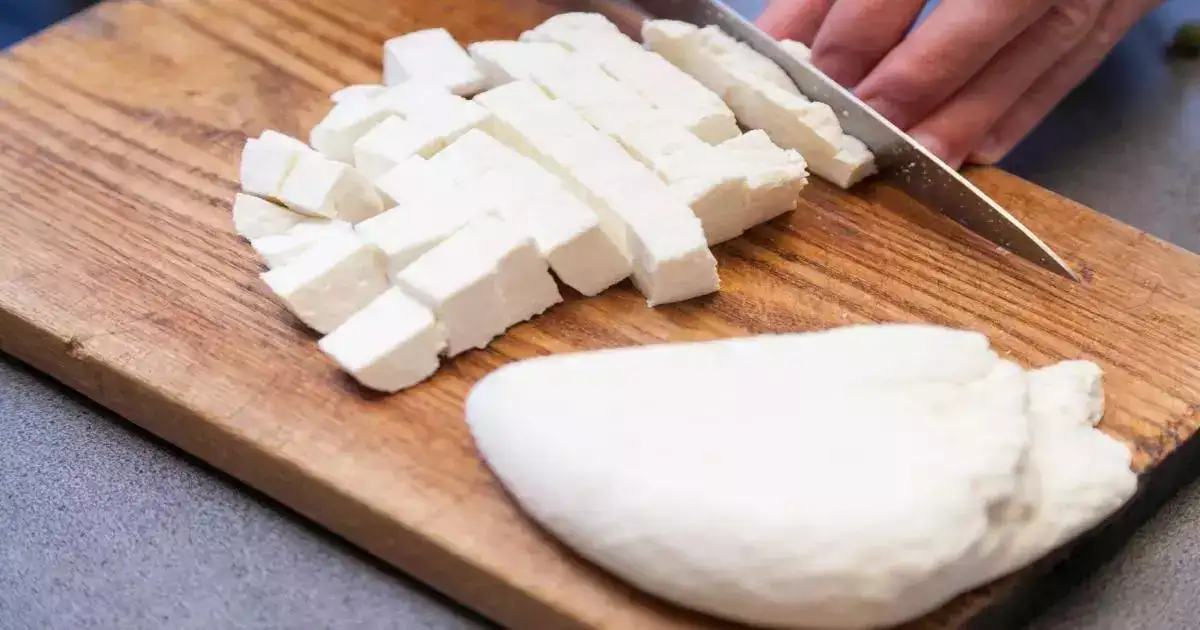
1. Check the Texture and Smell
The texture and aroma of paneer are the first indicators of its quality. Pure paneer has a soft, smooth texture and a fresh, mild dairy scent. If the paneer feels rubbery, overly hard, or emits a sour or chemical-like odour, it may contain synthetic ingredients or be past its prime. Always rely on your senses to gauge its freshness before proceeding with other tests.
2. Perform the Heat Test
This straightforward method can reveal starch adulteration. Take a small piece of paneer and heat it in a pan over low flame. If it releases excessive water or doesn’t hold its shape, it may contain added starch. Pure paneer, on the other hand, will retain its texture and emit a natural, milky fragrance.
3. Iodine Solution Test
The iodine test is a simple yet effective way to detect starch in paneer. Dissolve a small piece of paneer in water, then add a few drops of iodine solution. If the solution turns blue, it indicates the presence of starch. This method is reliable and can be conducted with materials easily available in pharmacies.
4. Check for Synthetic Milk
Synthetic milk is often used to make adulterated paneer, and it can pose serious health risks. To identify this, boil a small piece of paneer in water and observe its reaction. If the paneer dissolves completely or leaves an oily residue, it could be made from synthetic milk. Pure paneer will remain intact without releasing any greasy substances.
1. Check the Texture and Smell
The texture and aroma of paneer are the first indicators of its quality. Pure paneer has a soft, smooth texture and a fresh, mild dairy scent. If the paneer feels rubbery, overly hard, or emits a sour or chemical-like odour, it may contain synthetic ingredients or be past its prime. Always rely on your senses to gauge its freshness before proceeding with other tests.
2. Perform the Heat Test
This straightforward method can reveal starch adulteration. Take a small piece of paneer and heat it in a pan over low flame. If it releases excessive water or doesn’t hold its shape, it may contain added starch. Pure paneer, on the other hand, will retain its texture and emit a natural, milky fragrance.
3. Iodine Solution Test
The iodine test is a simple yet effective way to detect starch in paneer. Dissolve a small piece of paneer in water, then add a few drops of iodine solution. If the solution turns blue, it indicates the presence of starch. This method is reliable and can be conducted with materials easily available in pharmacies.
4. Check for Synthetic Milk
Synthetic milk is often used to make adulterated paneer, and it can pose serious health risks. To identify this, boil a small piece of paneer in water and observe its reaction. If the paneer dissolves completely or leaves an oily residue, it could be made from synthetic milk. Pure paneer will remain intact without releasing any greasy substances.
Next Story