
7 Antioxidant-Rich Herbs You Can Easily Grow at Home

Adding antioxidant-rich herbs to your kitchen garden is an easy way to bring fresh flavour, aroma and plant-based goodness into everyday meals. Many common herbs can thrive on a sunny windowsill, balcony or small garden space, allowing you to enjoy fresh leaves whenever you need them. From rosemary and basil to mint and sage, these herbs are simple to grow and versatile enough for everything from salads and soups to teas and marinades.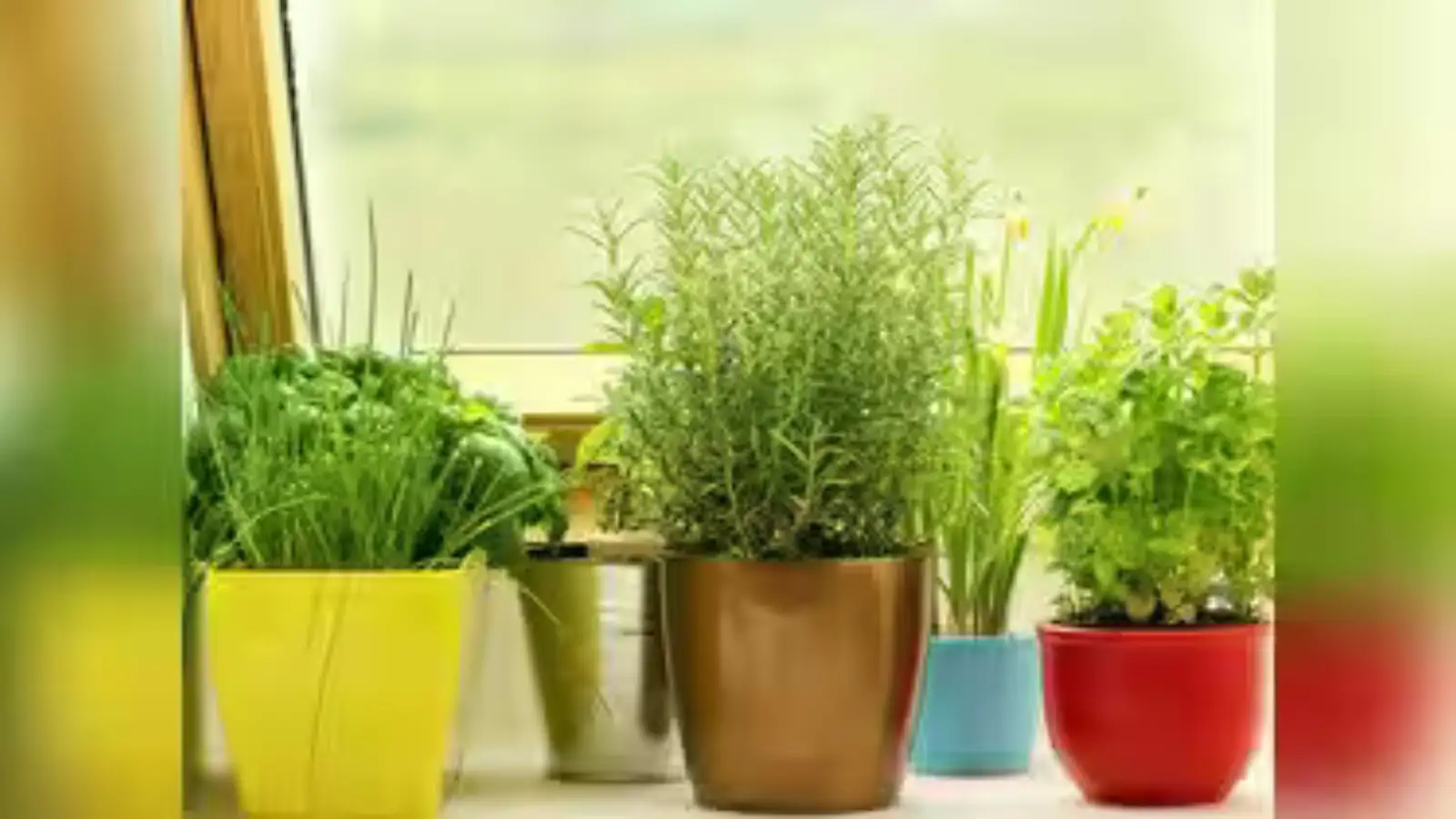
This perennial herb prefers well-drained soil and plenty of sunlight. Once established, it requires relatively little attention. Fresh rosemary can add a delicious earthy aroma to roasted vegetables, meats, potatoes and homemade savoury breads.
Give basil a warm, sunny location and keep the soil appropriately moist. You can grow it from seeds or cuttings and regularly harvest the leaves for pesto, salads, sandwiches and other homemade dishes.
Thyme is particularly suitable for busy gardeners because it generally needs little watering once established. Place it somewhere sunny and use the fresh or dried leaves in stews, marinades, roasted vegetables and spice blends.
Mint grows rapidly and can spread aggressively, so keeping it in a separate container is often the easiest option. Fresh leaves can be used to make herbal infusions, refreshing drinks and salads, or added to homemade chutneys and other dishes.
The plant prefers sunny conditions and well-drained soil and generally handles relatively dry conditions well. Harvest the aromatic leaves to flavour tomato sauces, pizzas, pasta, grilled vegetables and Mediterranean dishes.
It can grow indoors when provided with moderate sunlight and suitable soil moisture. Snip fresh leaves whenever needed and add them to soups, salads, smoothies, sauces and main dishes for a burst of colour and freshness.
The plant grows well in a sunny spot with moderate watering. Once established, sage is relatively hardy and its aromatic leaves work beautifully in roasted vegetables, stuffing, soups and other comforting savoury dishes.
Keep these simple tips in mind:
However, herbs should complement a balanced diet rather than be viewed as a substitute for medical treatment or a varied source of nutrition.
1. Rosemary: A Fragrant Herb Packed With Antioxidants
Rosemary is a hardy, fragrant herb known for its distinctive needle-like leaves. It contains rosmarinic acid and other antioxidant compounds that help protect cells from oxidative stress.This perennial herb prefers well-drained soil and plenty of sunlight. Once established, it requires relatively little attention. Fresh rosemary can add a delicious earthy aroma to roasted vegetables, meats, potatoes and homemade savoury breads.
2. Basil: Easy to Grow and Full of Plant Goodness
Basil is one of the easiest herbs to start growing at home, making it a great choice for beginners. It contains antioxidant compounds such as eugenol, along with other plant compounds associated with protection against free-radical damage.Give basil a warm, sunny location and keep the soil appropriately moist. You can grow it from seeds or cuttings and regularly harvest the leaves for pesto, salads, sandwiches and other homemade dishes.
3. Thyme: A Low-Maintenance Antioxidant Herb
Small but flavourful, thyme contains thymol and flavonoids, compounds that contribute to its antioxidant properties. It is also traditionally valued for its aromatic qualities and use in preparations associated with respiratory wellness.Thyme is particularly suitable for busy gardeners because it generally needs little watering once established. Place it somewhere sunny and use the fresh or dried leaves in stews, marinades, roasted vegetables and spice blends.
4. Mint: A Fast-Growing Herb for Your Home
Mint is a refreshing addition to any kitchen garden. Its leaves contain compounds including menthol and rosmarinic acid, which contribute to its antioxidant and characteristic cooling properties.Mint grows rapidly and can spread aggressively, so keeping it in a separate container is often the easiest option. Fresh leaves can be used to make herbal infusions, refreshing drinks and salads, or added to homemade chutneys and other dishes.
You may also like
- Think you're unlucky? These 5 things may actually be life redirecting you
- 'Li'l Ranveer': Internet gushes over baby Dua's new pics as Deepika Padukone shares maternity photos
- From electricity bills to complaints—get all the information you need via the UPPCL website chatbot from the comfort of your home.
- Save on LPG Cylinder Costs: New Gas-Saving Stove Launched
- Which solar panel has the longest lifespan? Find out here.
5. Oregano : One of the Most Antioxidant-Rich Herbs
Oregano packs plenty of flavour into its small leaves and is especially notable for its concentration of carvacrol and other antioxidant compounds. It is a particularly useful herb for people who enjoy Mediterranean-inspired cooking.The plant prefers sunny conditions and well-drained soil and generally handles relatively dry conditions well. Harvest the aromatic leaves to flavour tomato sauces, pizzas, pasta, grilled vegetables and Mediterranean dishes.
6. Parsley: A Nutrient-Packed Herb for Everyday Meals
Parsley is much more than a decorative garnish. It provides vitamin C and antioxidant plant compounds such as apigenin and luteolin, making it a nutritious addition to everyday meals.It can grow indoors when provided with moderate sunlight and suitable soil moisture. Snip fresh leaves whenever needed and add them to soups, salads, smoothies, sauces and main dishes for a burst of colour and freshness.
7. Sage: A Hardy Herb With Antioxidant Properties
Sage has soft, velvety leaves and a distinctive earthy flavour. It contains polyphenols and other antioxidant compounds and has traditionally attracted interest for its potential role in supporting cognitive health and helping combat oxidative stress.The plant grows well in a sunny spot with moderate watering. Once established, sage is relatively hardy and its aromatic leaves work beautifully in roasted vegetables, stuffing, soups and other comforting savoury dishes.
How to Grow Antioxidant-Rich Herbs at Home
You don't need a large backyard to create a useful herb garden. A few pots on a sunny windowsill, balcony or kitchen ledge can be enough to get started.Keep these simple tips in mind:
- Choose the right light: Most Mediterranean herbs, including rosemary, thyme, oregano and sage, prefer plenty of sunlight.
- Avoid overwatering: Herbs such as thyme, oregano, rosemary and sage generally prefer well-drained soil.
- Use containers with drainage holes: This helps prevent water from accumulating around the roots.
- Harvest regularly: Trimming herbs encourages fresh growth, although avoid removing too much at once.
- Keep fast spreaders contained: Mint is best grown in its own pot because it can quickly take over surrounding space.
- Start small: Growing two or three herbs successfully is better than planting too many at once.
Add Fresh Herbs to Your Everyday Diet
Growing antioxidant-rich herbs at home can make fresh ingredients readily available while adding colour, aroma and flavour to everyday cooking. Rosemary, basil, thyme, mint, oregano, parsley and sage each have different growing requirements, but most can be managed successfully with the right amount of sunlight, suitable soil and careful watering.However, herbs should complement a balanced diet rather than be viewed as a substitute for medical treatment or a varied source of nutrition.






Loving Newspoint? Download the app now
