
Off-Limits India: 7 Restricted Destinations You Can't Visit Without Special Permits

India's diverse geographical landscape spans vast international borders, delicate marine ecosystems, and ancient indigenous tribal habitats. While the vast majority of the country welcomes domestic and international travelers with open arms, specific geographical zones are subject to strict legal controls. The Indian government enforces regulations such as the Inner Line Permit (ILP), Protected Area Permit (PAP), and the Andaman and Nicobar Islands Protection of Aboriginal Tribes Regulation to maintain national security, protect vulnerable ecosystems from environmental degradation, and safeguard isolated indigenous communities from outside exploitation or disease exposure.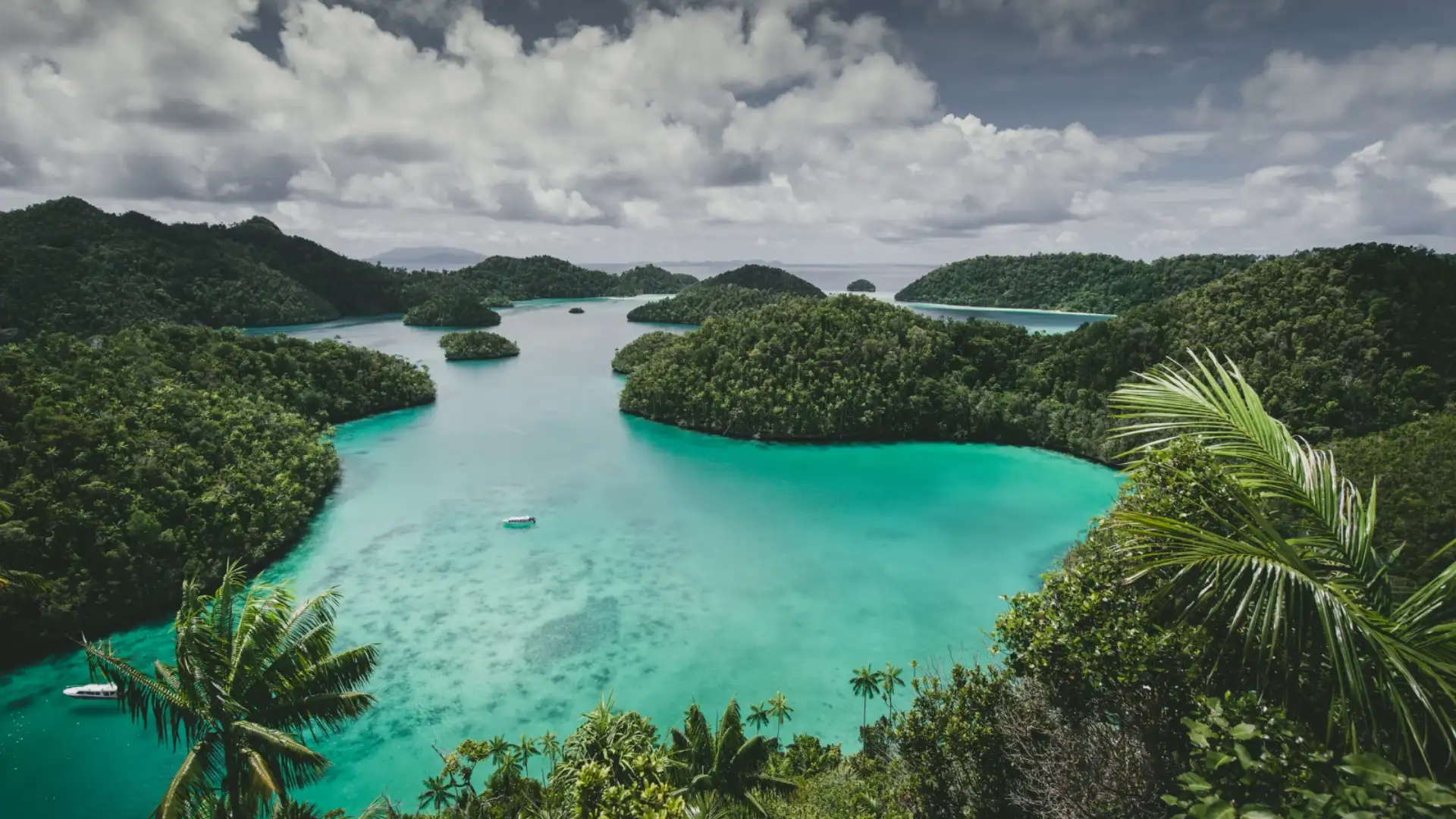
For travelers, encountering these restrictions provides a fascinating glimpse into regions where human presence is carefully calibrated. Rather than simply buying a plane ticket or booking a hotel room, visiting these areas or even viewing them from a designated safe distance demands rigorous administrative clearance, military escorts, or specialized scientific permits.
For travelers, encountering these restrictions provides a fascinating glimpse into regions where human presence is carefully calibrated. Rather than simply buying a plane ticket or booking a hotel room, visiting these areas or even viewing them from a designated safe distance demands rigorous administrative clearance, military escorts, or specialized scientific permits.
7 Restricted Locations Across India Off-Limits to Standard Tourism
- North Sentinel Island (Andaman & Nicobar Islands): Completely forbidden to all outsiders, North Sentinel Island is home to the Sentinelese people, one of the world's last uncontacted hunter-gatherer tribes. To protect the indigenous population from foreign diseases and respect their desire for isolation, the Indian government has established a strict 3-nautical-mile exclusion zone around the island, enforced by naval patrols. Visiting or attempting contact is strictly illegal.
- Barren Island (Andaman Sea): Home to South Asia's only active volcano, Barren Island is located in the Andaman Sea. Landing on the island itself is strictly prohibited due to volcanic hazards and safety risks. However, tourists can obtain special charters and Coast Guard clearances to view the smoking volcanic peak from aboard boats or chartered aircraft without stepping foot on land.
- Inner Line Border Zones of Ladakh (e.g., Hanle and Pangong Sector Borders): While popular destinations like Leh, Nubra Valley, and central Pangong Tso are accessible, traveling to villages located close to the Line of Actual Control (LAC) requires an Inner Line Permit (ILP) or Protected Area Permit (PAP). Foreign nationals face even tighter restrictions in sensitive border sectors due to defense security protocols.
- Lakshadweep Islands (Restricted Atolls): Unlike mainland coastal destinations, the entire coral archipelago of Lakshadweep operates under entry permit regulations. Tourists cannot simply board a ferry to any island; they must obtain an official entry permit issued by the Lakshadweep Administration, and tourism is restricted strictly to designated islands like Bangaram, Agatti, and Kavaratti.
- Nicobar Islands Archipelago: While parts of the Andaman group welcome tourists, the Nicobar Islands are strictly closed to general tourism. Designated as a tribal reserve and a strategic military zone, access is limited almost exclusively to indigenous residents, government officials, defense personnel, and authorized researchers carrying special permits.
- Chilika Lake Sanctuary Core Areas (Odisha): Chilika Lake is Asia's largest brackish water lagoon, famous for migratory birds and Irrawaddy dolphins. While peripheral lake waters accommodate eco-tourist boats, the core wetland sanctuaries and specific nesting islands are strictly off-limits during peak breeding seasons to prevent motorboat engine noise and pollution from disrupting wildlife.
- Silent Valley National Park Core Zone (Kerala): Situated in the Nilgiri Hills, Silent Valley preserves one of the last undisturbed tracts of South Indian tropical evergreen rainforest. While guided day treks are allowed along designated fringe trails, entry into the deep, untouched core forest zone is strictly prohibited to general tourists to conserve pristine habitats and rare species like the lion-tailed macaque.
Responsible Travel and Respecting Sovereign Boundaries
Exploring restricted areas requires meticulous planning, compliance with local laws, and deep respect for environmental and cultural boundaries. By adhering to permit requirements and respecting off-limits zones, travelers play an active role in preserving India's fragile ecosystems, unique heritage, and national security.





Loving Newspoint? Download the app now
