
7 Rare Blue Animals That Look Too Unreal to Exist in Nature

Blue animals often seem too extraordinary to be real, almost like something imagined in fantasy. But the truth behind these breathtaking creatures is even more fascinating. Most blue animals do not actually possess blue pigment. Instead, their dazzling shades come from microscopic structures that reflect and scatter light, creating brilliant blue hues through optical illusion. From glowing butterflies to rare reptiles, these remarkable species reveal how nature uses science, survival, and beauty in the most unexpected ways.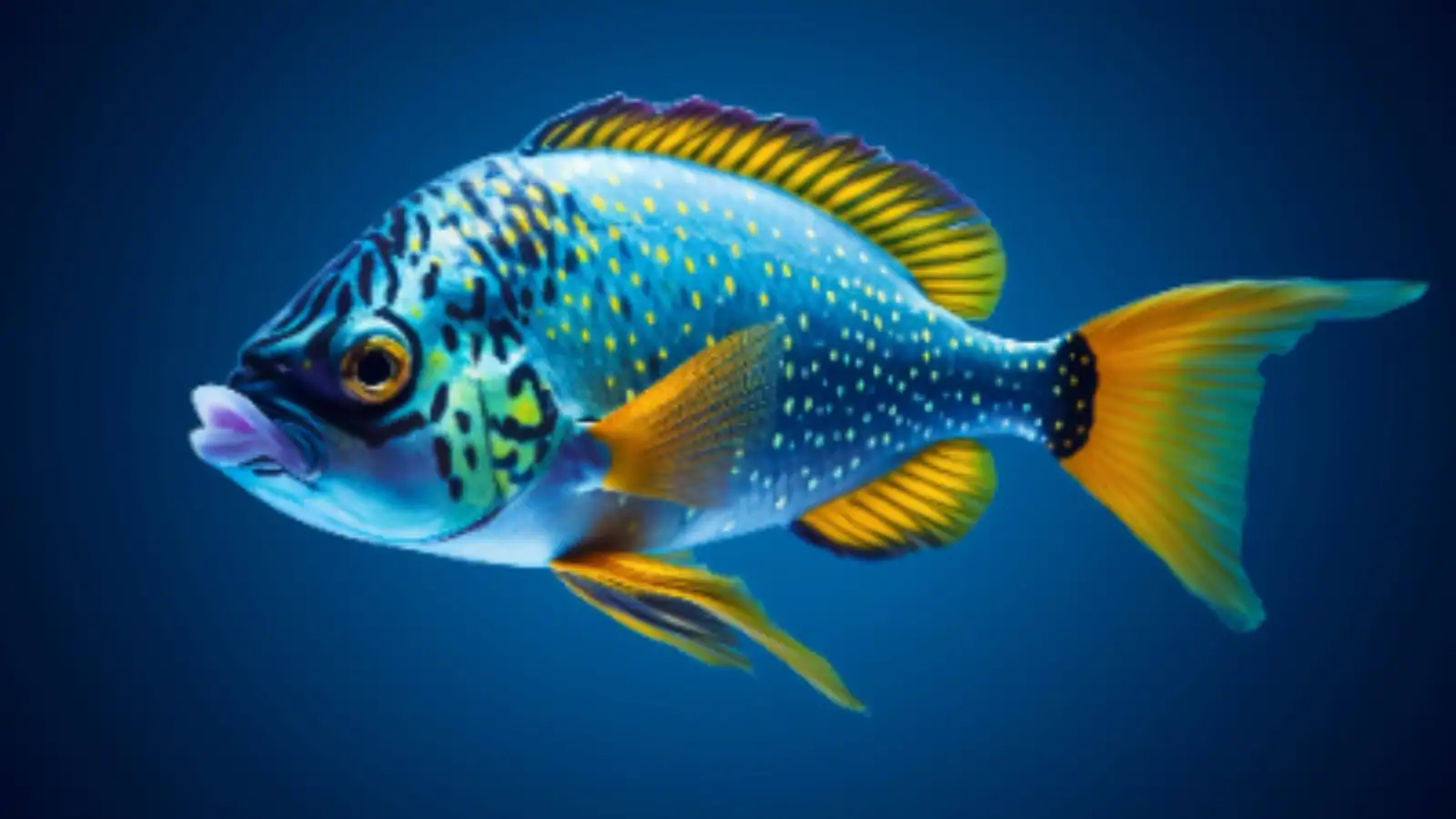
Why Blue Animals in Nature Are So Rare and Extraordinary
Blue is one of the rarest colours in the natural world. Unlike red, yellow, or green, true blue pigment is uncommon in animals. In most cases, what appears blue is created through structural coloration - tiny nanostructures on feathers, scales, skin, or wings that manipulate light. This process makes blue animals some of the most visually stunning creatures on Earth while also serving purposes like camouflage, communication, and predator defence.
Blue Tree Monitor : The Rare Reptile That Looks Like a Living Jewel
Hidden on a remote Indonesian island, the Blue Tree Monitor is one of the world’s most mesmerising reptiles. Its vivid blue body appears almost metallic, with scales that shimmer under sunlight like polished gemstones. This striking appearance is not caused by blue pigment but by microscopic structures that reflect specific wavelengths of light.
Beyond its beauty, this rare lizard uses its unusual colouring to blend into forest shadows and dense vegetation. Sadly, its exotic appearance has also made it vulnerable to illegal wildlife trade, making conservation efforts essential for its survival.
Blue Poison Dart Frog : A Tiny Beauty With a Deadly Warning
The Blue Poison Dart Frog may be small, but its bright electric-blue skin sends a powerful message. Covered in dark spots, this rainforest amphibian uses its colour as a warning sign to predators -a biological defence known as aposematism.
Its vivid appearance signals toxicity, telling potential threats to stay away. In the wild, this stunning blue isn’t about hiding - it’s about being unforgettable. The frog proves that in nature, beauty can also be a weapon.
Grand Cayman Blue Iguana : One of the World’s Rarest Blue Reptiles
The Grand Cayman Blue Iguana is a conservation success story wrapped in dazzling colour. Native to the Cayman Islands, this impressive reptile displays an intense blue shade that becomes even brighter during breeding season.
Its colour is influenced by both sunlight and hormonal changes, helping attract mates while possibly assisting with temperature regulation. Once on the brink of extinction, dedicated conservation programmes have helped restore this incredible species, making it a symbol of resilience and natural wonder.
Blue Morpho Butterfly : The Optical Illusion With Wings
Few creatures capture attention like the Blue Morpho Butterfly. Its radiant blue wings seem painted by nature, but the colour is actually an illusion created by microscopic scales that reflect blue light.
When flying, its flashing wings can confuse predators, creating bursts of brilliant blue. Yet when it lands, the brown underside of its wings helps it disappear into its surroundings. This dual-purpose design makes the Blue Morpho one of nature’s most intelligent visual masterpieces.
Blue Tang Fish : The Ocean’s Brilliant Blue Survivor
The Blue Tang Fish, famous for its vivid ocean-blue body, uses colour in a completely different way. In coral reef ecosystems, blue helps it blend into surrounding water, making it less visible to predators.
Its colour also plays a role in communication with other fish. In the underwater world, blue can mean both camouflage and connection, showing how survival often depends on using visibility strategically.
How Blue Colour Helps Animals Survive
For many blue animals, colour is more than decoration. It can:
Nature’s use of blue demonstrates that appearance often serves multiple survival functions.
The Fascinating Truth About Blue Animals
The next time you see a bright blue creature, remember - you may not actually be seeing blue pigment at all. Instead, you’re witnessing one of nature’s greatest scientific tricks: structural coloration. These animals are not just visually stunning; they are living examples of evolution’s creativity, where physics and biology combine to create beauty that feels almost unreal. From forests to oceans, blue animals remind us that nature’s wonders are often even more magical once we understand the science behind them.
Why Blue Animals in Nature Are So Rare and Extraordinary
Blue is one of the rarest colours in the natural world. Unlike red, yellow, or green, true blue pigment is uncommon in animals. In most cases, what appears blue is created through structural coloration - tiny nanostructures on feathers, scales, skin, or wings that manipulate light. This process makes blue animals some of the most visually stunning creatures on Earth while also serving purposes like camouflage, communication, and predator defence.
Blue Tree Monitor : The Rare Reptile That Looks Like a Living Jewel
Hidden on a remote Indonesian island, the Blue Tree Monitor is one of the world’s most mesmerising reptiles. Its vivid blue body appears almost metallic, with scales that shimmer under sunlight like polished gemstones. This striking appearance is not caused by blue pigment but by microscopic structures that reflect specific wavelengths of light.
Beyond its beauty, this rare lizard uses its unusual colouring to blend into forest shadows and dense vegetation. Sadly, its exotic appearance has also made it vulnerable to illegal wildlife trade, making conservation efforts essential for its survival.
Blue Poison Dart Frog : A Tiny Beauty With a Deadly Warning
The Blue Poison Dart Frog may be small, but its bright electric-blue skin sends a powerful message. Covered in dark spots, this rainforest amphibian uses its colour as a warning sign to predators -a biological defence known as aposematism.
Its vivid appearance signals toxicity, telling potential threats to stay away. In the wild, this stunning blue isn’t about hiding - it’s about being unforgettable. The frog proves that in nature, beauty can also be a weapon.
Grand Cayman Blue Iguana : One of the World’s Rarest Blue Reptiles
The Grand Cayman Blue Iguana is a conservation success story wrapped in dazzling colour. Native to the Cayman Islands, this impressive reptile displays an intense blue shade that becomes even brighter during breeding season.
Its colour is influenced by both sunlight and hormonal changes, helping attract mates while possibly assisting with temperature regulation. Once on the brink of extinction, dedicated conservation programmes have helped restore this incredible species, making it a symbol of resilience and natural wonder.
Blue Morpho Butterfly : The Optical Illusion With Wings
Few creatures capture attention like the Blue Morpho Butterfly. Its radiant blue wings seem painted by nature, but the colour is actually an illusion created by microscopic scales that reflect blue light.
You may also like
- If you cut onions this way, you will never cry. Know the best way.
- Viral: 'The Devil Wears Prada 2' popcorn handbag lands in Dubai cinemas, and Indians are not staying quiet about it
- Why does the skin barrier get damaged? Dermatologists reveal three major causes and preventive measures.
- Health Benefits of Drinking Fennel Water on an Empty Stomach
- Refreshing Banarasi Lassi Recipe to Beat the Summer Heat
When flying, its flashing wings can confuse predators, creating bursts of brilliant blue. Yet when it lands, the brown underside of its wings helps it disappear into its surroundings. This dual-purpose design makes the Blue Morpho one of nature’s most intelligent visual masterpieces.
Blue Tang Fish : The Ocean’s Brilliant Blue Survivor
The Blue Tang Fish, famous for its vivid ocean-blue body, uses colour in a completely different way. In coral reef ecosystems, blue helps it blend into surrounding water, making it less visible to predators.
Its colour also plays a role in communication with other fish. In the underwater world, blue can mean both camouflage and connection, showing how survival often depends on using visibility strategically.
How Blue Colour Helps Animals Survive
For many blue animals, colour is more than decoration. It can:
- Confuse or deter predators
- Attract mates
- Regulate temperature
- Provide camouflage
- Aid species recognition
Nature’s use of blue demonstrates that appearance often serves multiple survival functions.
The Fascinating Truth About Blue Animals
The next time you see a bright blue creature, remember - you may not actually be seeing blue pigment at all. Instead, you’re witnessing one of nature’s greatest scientific tricks: structural coloration. These animals are not just visually stunning; they are living examples of evolution’s creativity, where physics and biology combine to create beauty that feels almost unreal. From forests to oceans, blue animals remind us that nature’s wonders are often even more magical once we understand the science behind them.






More from our partners


Loving Newspoint? Download the app now
