
Silent Signals: How Toddlers Express Daycare Distress Without Words

Enrolling a young child in daycare is a major milestone for working parents, offering early social exposure and structured care. However, toddlers and young children often lack the linguistic ability or emotional processing required to explain when something feels wrong in their environment. Instead of speaking up directly, children communicate distress through subtle changes in behavior, mood, and daily routines. Child psychologists urge parents to remain observant and tune into these silent distress signals.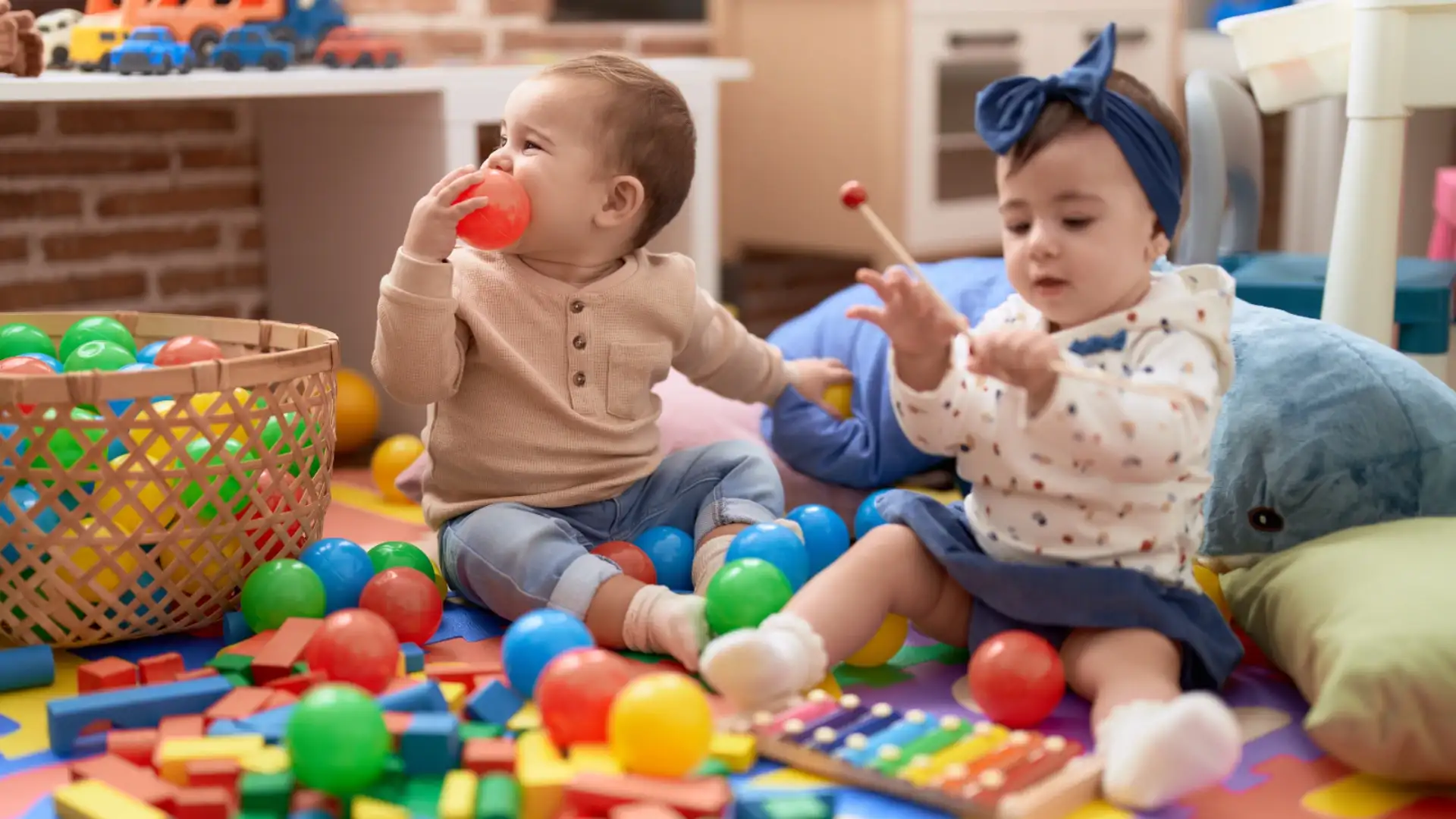
Staying observant and trusting parental intuition ensures early intervention when a childcare environment is not meeting a child's emotional needs. Prioritizing open dialogue with caregivers and validating a child's non-verbal cues helps secure a safe, supportive space for early development.
1. Extreme Separation Anxiety and Drop-Off Panic
While mild tearfulness during initial drop-offs is a normal part of developmental transition, persistent, intense panic that worsens over time is a red flag. If a child displays extreme physical distress, clings uncontrollably, or experiences severe meltdowns every single morning long after the adjustment period, it indicates that the daycare setting may lack necessary emotional safety.2. Sudden Behavioral Regressions
Unexplained backward steps in developmental milestones can signal underlying anxiety. A child who was fully potty-trained suddenly experiencing frequent daytime accidents, returning to thumb-sucking, or demanding a baby bottle is often expressing emotional overwhelm. Regression serves as a psychological coping mechanism when a toddler feels powerless in an unfamiliar or stress-inducing environment.You may also like
- What Your Brain Actually Does During a Near-Death Experience: The Biology Behind the Light
- '100 aircraft a day will feel very small': At 15, Naman Pushp built a drone during lockdown; six years later, he is the founder of a $37 million aerospace venture
- Dubai: Italian designer Bertrando di Renzo shares 5 tips to transform your dining table
- Why Was Karna Served Gold in Heaven? The Secret
- 5 Proven Ways to Make Your Hair Healthy: From Scalp Oiling to Diet and Moisture
3. Disruption in Sleep Patterns and Night Terrors
Emotional stress experienced during the day frequently manifests during nighttime rest. Parents should take note if a previously peaceful sleeper develops difficulty falling asleep, wakes up crying repeatedly, experiences sudden night terrors, or refuses to sleep alone. Restless nights often stem from unprocessed fear or anxiety accumulated during daycare hours.4. Noticeable Changes in Eating Habits
A child's appetite is closely tied to their emotional state. Unexplained loss of appetite, refusing meals specifically after returning home, or acting unusually ravenous because they skipped meals at daycare can indicate a problematic environment. Discomfort with caregivers, overwhelming noise levels during lunchtime, or rigid feeding practices can cause children to withdraw from eating altogether.5. Out-of-Character Aggression or Excessive Passivity
Unprocessed distress in young children frequently shows up as emotional extremes. A gentle child may suddenly start biting, hitting, or throwing intense tantrums at home after returning from daycare. Alternatively, an energetic child may become unusually quiet, withdrawn, or submissive. Both emotional outbursts and extreme passivity suggest that the child is struggling to navigate an overwhelming social environment.6. Physical Symptoms Without Medical Cause
Stress in early childhood often presents physically. Complaints of frequent stomachaches, headaches, nausea, or vague physical discomfort especially on weekday mornings right before leaving for daycare can be psychosomatic responses to environment-induced anxiety. If medical evaluations rule out illness, emotional distress at childcare is a likely contributor.7. Unusual Reluctance or Fear Around Specific Caregivers
Children naturally form bonds with attentive caregivers. If a child shows intense, sudden fear or physical withdrawal around a specific teacher or daycare staff member, parents should pay close attention. Hesitation to enter a specific room, flinching at raised voices, or noticeable changes in mood when a particular adult approaches warrant immediate investigation and open communication with center administrators.Staying observant and trusting parental intuition ensures early intervention when a childcare environment is not meeting a child's emotional needs. Prioritizing open dialogue with caregivers and validating a child's non-verbal cues helps secure a safe, supportive space for early development.






Loving Newspoint? Download the app now
