
7 Things You Must Know Before Getting a Facelift


A facelift is often seen as the ultimate solution for aging skin. Smooth cheeks, a defined jawline, and a younger-looking face can sound incredibly appealing. But behind every stunning before-and-after photo is a surgical procedure that requires careful planning, realistic expectations, and weeks of recovery. The biggest surprise? A facelift doesn't stop aging it simply turns back the clock. Knowing what the procedure can and cannot do is the key to making a confident decision.

Why a Facelift Is More Than Just Tightening Skin
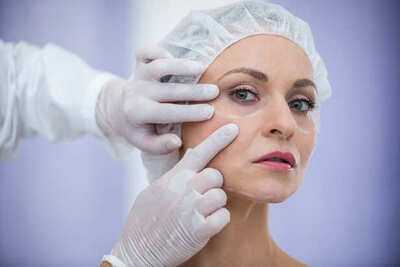
Many people believe a facelift simply stretches loose skin, but modern techniques go much deeper. Surgeons reposition facial muscles, tighten connective tissue, redistribute fat, and remove excess skin to restore youthful contours. This approach creates natural-looking results rather than an overly tight appearance. The procedure usually takes three to six hours under general anesthesia, with carefully placed incisions around the ears and hairline to minimize visible scarring.
Choosing the Right Type Makes All the Difference
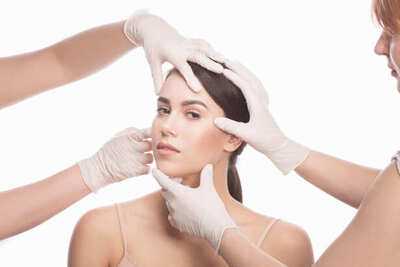
Not every facelift is the same. A traditional facelift targets significant sagging across the cheeks, jawline, and neck. A mini facelift focuses on mild skin laxity with smaller incisions and faster recovery. Deep plane facelifts reposition deeper facial structures for longer-lasting, natural movement, while neck lifts improve loose skin and muscle bands beneath the chin. The best choice depends on your facial anatomy, skin condition, and aesthetic goals rather than age alone.
Recovery Requires More Patience Than Most ExpectThe surgery may last only a few hours, but recovery is a much longer journey. Most people experience swelling, bruising, and tightness for two to three weeks. Final results may take several months to fully appear as tissues settle naturally. During recovery, patients should avoid strenuous exercise, heavy lifting, smoking, and prolonged sun exposure. Following post-operative instructions carefully plays a major role in achieving the best possible outcome.
Every Surgery Comes With Real RisksLike any surgical procedure, a facelift carries potential complications. These include bleeding, infection, anesthesia reactions, visible scarring, and temporary or permanent nerve injury affecting facial movement. Although serious complications are uncommon when performed by qualified surgeons, patients should understand these risks before making a decision. Open communication with your surgeon and a complete medical evaluation help ensure safer treatment and realistic expectations.
The Best Results Come From Realistic ExpectationsA facelift can create a fresher, younger appearance, but it cannot completely erase wrinkles or permanently stop aging. Skin will continue to age naturally after surgery, although from a more youthful starting point. Many patients combine facelifts with treatments such as laser resurfacing, fillers, or skincare to maintain results. The goal is enhancement not perfection and understanding this often leads to greater satisfaction after surgery.
Is a Facelift the Right Choice for You?The ideal candidate is someone in good overall health who has noticeable facial sagging but still maintains good skin elasticity. Non-smokers generally heal better than smokers, and people with realistic expectations tend to be happier with their results. A detailed consultation allows surgeons to evaluate facial structure, discuss goals, explain limitations, and recommend whether surgery or a less invasive option is the better choice.
Why a Facelift Is More Than Just Tightening Skin
A facelift lifts deeper facial tissues, not just the outer skin.
Many people believe a facelift simply stretches loose skin, but modern techniques go much deeper. Surgeons reposition facial muscles, tighten connective tissue, redistribute fat, and remove excess skin to restore youthful contours. This approach creates natural-looking results rather than an overly tight appearance. The procedure usually takes three to six hours under general anesthesia, with carefully placed incisions around the ears and hairline to minimize visible scarring.
Choosing the Right Type Makes All the Difference
Each facelift technique is designed for different aging concerns.
Not every facelift is the same. A traditional facelift targets significant sagging across the cheeks, jawline, and neck. A mini facelift focuses on mild skin laxity with smaller incisions and faster recovery. Deep plane facelifts reposition deeper facial structures for longer-lasting, natural movement, while neck lifts improve loose skin and muscle bands beneath the chin. The best choice depends on your facial anatomy, skin condition, and aesthetic goals rather than age alone.
Recovery Requires More Patience Than Most ExpectThe surgery may last only a few hours, but recovery is a much longer journey. Most people experience swelling, bruising, and tightness for two to three weeks. Final results may take several months to fully appear as tissues settle naturally. During recovery, patients should avoid strenuous exercise, heavy lifting, smoking, and prolonged sun exposure. Following post-operative instructions carefully plays a major role in achieving the best possible outcome.
The Best Results Come From Realistic ExpectationsA facelift can create a fresher, younger appearance, but it cannot completely erase wrinkles or permanently stop aging. Skin will continue to age naturally after surgery, although from a more youthful starting point. Many patients combine facelifts with treatments such as laser resurfacing, fillers, or skincare to maintain results. The goal is enhancement not perfection and understanding this often leads to greater satisfaction after surgery.
Is a Facelift the Right Choice for You?The ideal candidate is someone in good overall health who has noticeable facial sagging but still maintains good skin elasticity. Non-smokers generally heal better than smokers, and people with realistic expectations tend to be happier with their results. A detailed consultation allows surgeons to evaluate facial structure, discuss goals, explain limitations, and recommend whether surgery or a less invasive option is the better choice.
Next Story