7 Traditional Foods PM Modi Loves: From Khichdi to Moringa Paratha

Prime Minister Narendra Modi has often spoken about traditional Indian foods and their role in a healthy lifestyle. From makhana and millets to khichdi and moringa paratha , several of these foods are known for their nutritional value as well as their connection to India's diverse food culture. Here are seven traditional foods associated with PM Modi that combine familiar flavours with wholesome ingredients.
Hero Image


1. Makhana: A Light and Crunchy Healthy Snack

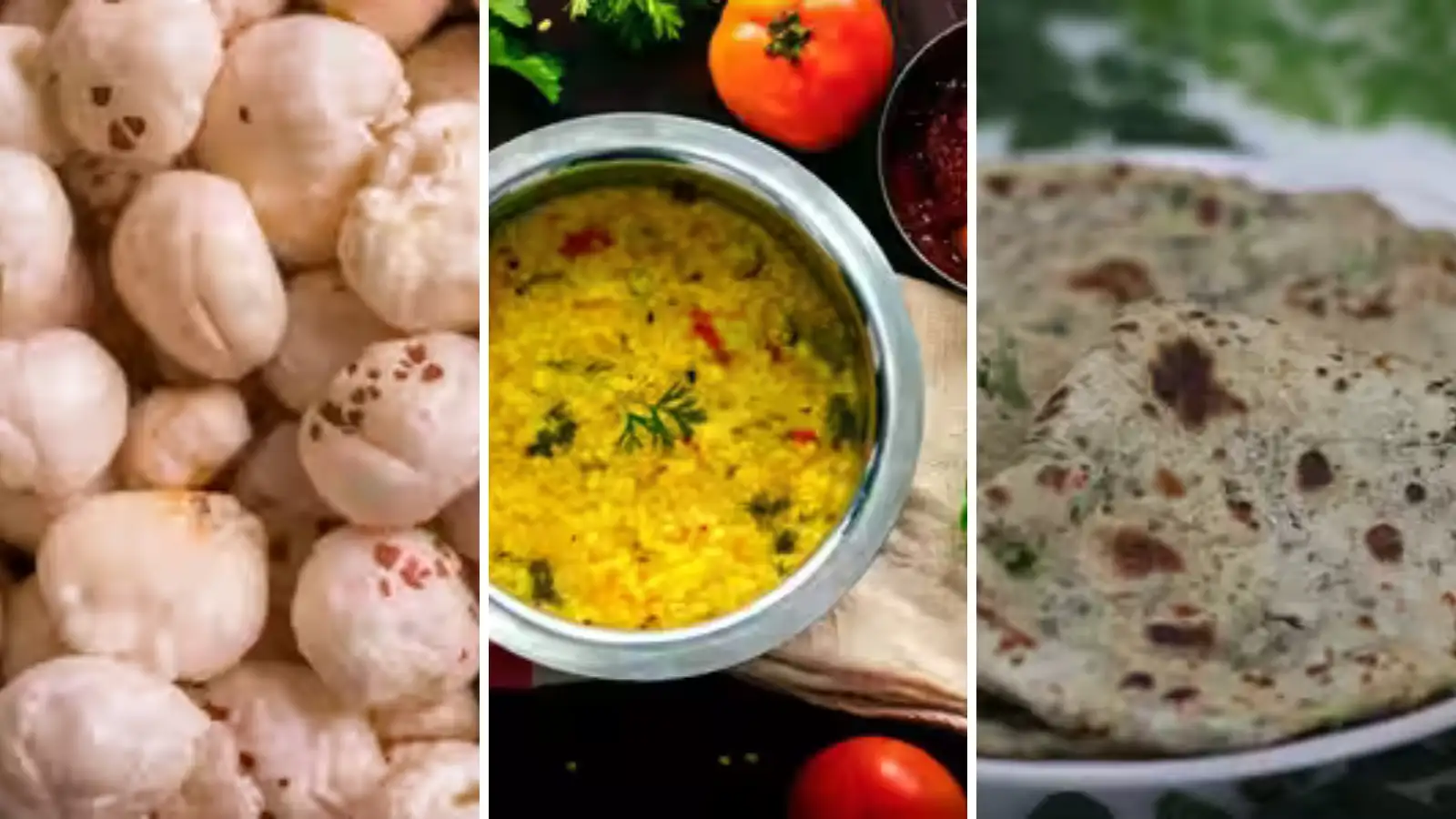
Makhana, also known as fox nuts or lotus seeds, is a popular Indian snack that has gained attention as a nutritious alternative to processed foods. It is light, crunchy and relatively low in calories while providing protein and other essential nutrients.

Makhana also contains antioxidants, which can help protect cells from oxidative stress. Roasted makhana can make for a simple snack when you want something crunchy without reaching for heavily processed options.


2. Millets: The Nutritious Indian Supergrain

Millets have been a part of traditional Indian diets for centuries and are naturally gluten-free. They are rich in dietary fibre and provide several essential nutrients, making them a useful alternative to refined grains.

Including millets in everyday meals may support digestion and help with better blood sugar management. Bajra, ragi and jowar can be used in rotis, porridge, dosas and other familiar Indian dishes.


3. Black Rice: An Antioxidant-Rich Grain

Black rice stands out because of its deep, dark colour and distinctive nutritional profile. It contains anthocyanins, antioxidant compounds also found in foods such as berries and purple vegetables.

The grain also provides dietary fibre and important minerals. When included as part of a balanced diet, black rice can be a nutritious alternative to more commonly consumed varieties of rice.

4. Moringa Paratha: A Tasty Way to Eat Greens

Moringa leaves are packed with nutrients and can be incorporated into everyday Indian meals in several ways. One delicious option is moringa paratha, which combines the earthy flavour of moringa leaves with the comfort of a traditional flatbread.

Moringa is a source of vitamins, including vitamins A and C, along with other beneficial plant compounds. Adding moringa leaves to paratha is an easy way to introduce more greens into a regular meal.


5. Khichdi: The Ultimate Comfort Food

Few Indian dishes are as simple and versatile as khichdi. Traditionally prepared using rice and lentils, it offers a combination of carbohydrates and plant-based protein in an easy-to-digest meal.

Khichdi can also be customised with vegetables, spices and different grains according to regional preferences. Its simplicity makes it a popular choice when people want a light, wholesome and comforting meal.

6. Shrikhand: A Classic Yogurt-Based Dessert

Shrikhand is a popular Indian dessert made by straining yoghurt and blending it with ingredients such as sugar, cardamom and saffron. It is especially associated with Gujarati and Maharashtrian cuisine.

Because it is made from yoghurt, shrikhand can provide protein and calcium while also containing beneficial bacteria. However, since traditional versions can contain considerable added sugar, portion size matters when enjoying it as part of a balanced diet.

7. Sev Tameta Nu Shaak: A Gujarati Favourite

Sev Tameta Nu Shaak is a classic Gujarati preparation made with a tangy tomato-based gravy and topped with crispy sev made from gram flour. The combination creates a distinctive contrast between soft, saucy tomatoes and crunchy sev.


Tomatoes provide lycopene, an antioxidant compound associated with several health benefits. The dish is a good example of how traditional Indian cooking can combine bold flavours with nutrient-rich ingredients.

Traditional Indian Foods That Pack a Nutritional Punch

From protein-rich makhana and fibre-filled millets to antioxidant-rich black rice and nutrient-packed moringa, these traditional foods showcase the diversity of Indian cuisine. Dishes such as khichdi, shrikhand and sev tameta nu shaak further demonstrate how everyday ingredients can be transformed into comforting and flavourful meals.

While no single food can guarantee good health, incorporating a variety of minimally processed, nutrient-rich traditional foods into a balanced diet can be a simple way to make everyday meals more wholesome.