
World Environment Day: What Happens If 8 Billion People Plant One Tree Each? The Answer May Surprise You

Every year on World Environment Day , millions of people are encouraged to plant trees as a simple way to support the planet. It is an action so familiar that it can sometimes feel symbolic rather than significant. But what if every person on Earth actually planted just one tree? Would it make a meaningful difference, or would it be little more than a well-intentioned gesture?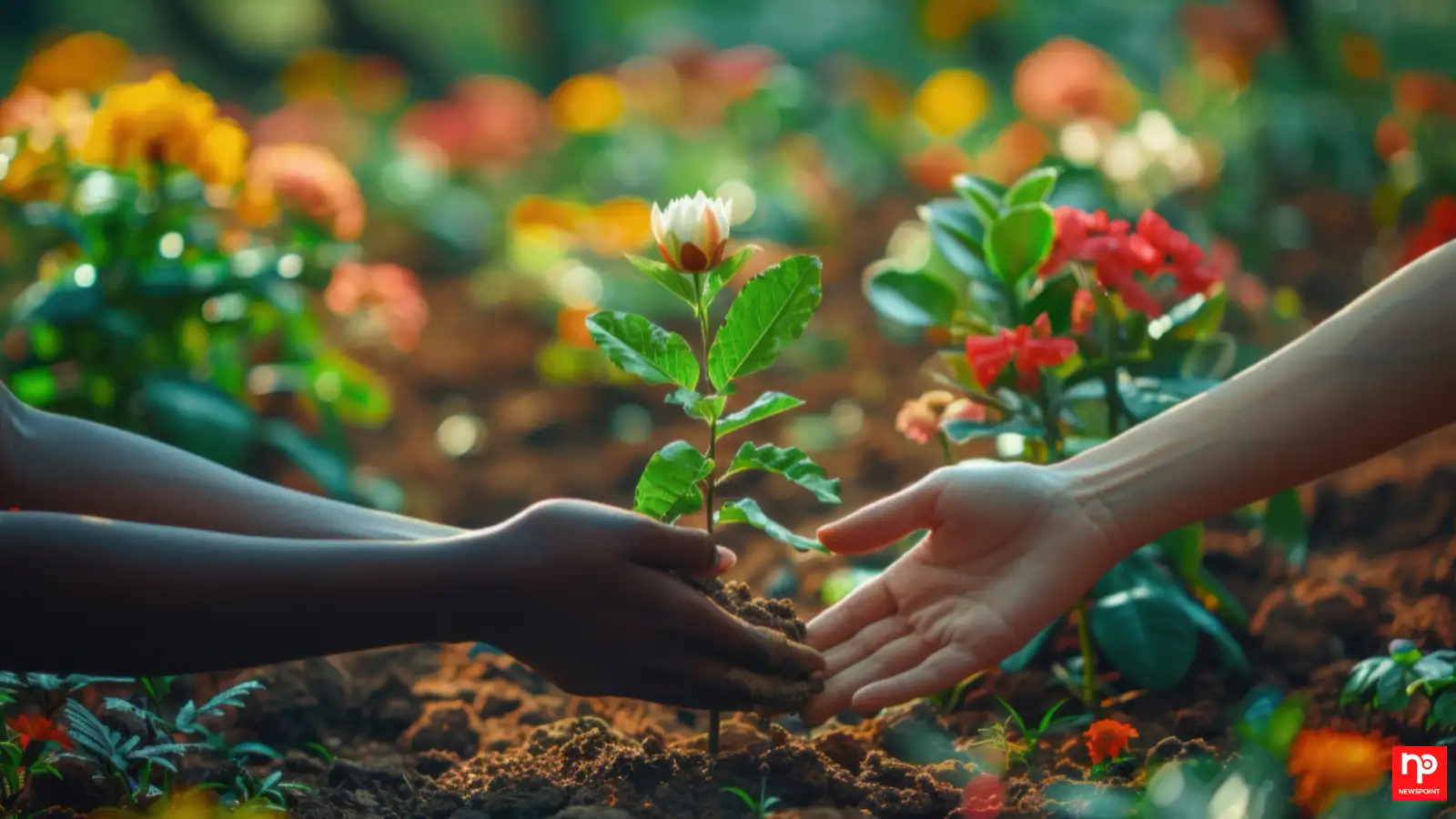
The answer is more remarkable than many realise. With the world's population now exceeding eight billion, a single tree planted by every individual would create one of the largest environmental restoration efforts in human history. While it would not solve every environmental challenge, the collective impact could transform landscapes, improve air quality, support wildlife, and even help slow climate change .
If every person planted one tree, the world would gain more than eight billion additional trees. To put that into perspective, many of the world's largest reforestation programmes celebrate the planting of millions of trees. Eight billion would dwarf those efforts.
Of course, not every tree would survive. Young trees face threats from drought, disease, poor soil, and human activity. Even if only half survived to maturity, the planet would still gain billions of new trees capable of providing environmental benefits for decades.
Climate scientists often describe forests as natural carbon sinks because they remove greenhouse gases that contribute to global warming. A mature tree can absorb significant amounts of carbon dioxide during its lifetime.
While eight billion new trees would not eliminate global emissions, they could remove millions of tonnes of carbon from the atmosphere over time. Combined with cleaner energy, reduced pollution, and sustainable lifestyles, tree planting can become an important part of a broader climate solution.
In cities, trees help filter pollutants from the air. Their leaves can trap dust particles and absorb certain harmful gases, contributing to healthier urban environments. This is particularly valuable in densely populated areas where traffic and industry often reduce air quality.
Trees also provide shade, which helps lower temperatures during hot weather. Urban areas frequently experience what experts call the "heat island effect", where concrete and asphalt absorb and retain heat. Streets lined with trees can feel noticeably cooler than areas without vegetation.
For families facing increasingly intense summer temperatures, this is not just an environmental benefit. It directly affects comfort, energy use, and public health.
Birds nest in branches, insects feed on leaves, and countless organisms depend on tree roots and surrounding soil. As forests disappear due to development and land-use changes, wildlife loses essential habitat.
If billions of new trees were planted in suitable locations, many species would gain additional shelter and food sources. Pollinators such as bees and butterflies would particularly benefit, helping maintain healthy ecosystems that support agriculture and food production.
Countries including China, India, and Ethiopia have undertaken ambitious reforestation campaigns over the past few decades. In several regions, degraded land has gradually recovered, soil erosion has decreased, and local biodiversity has improved.
What is often overlooked is that many of these transformations began with individual actions. Communities, schools, farmers, and volunteers planted trees one by one. The long-term results emerged because millions of small efforts accumulated over time.
This highlights an important truth. Environmental change rarely comes from a single dramatic event. More often, it grows from consistent actions repeated by many people.
People often feel overwhelmed by the scale of these challenges. Planting a tree cannot solve everything, but it offers something valuable: a practical action that connects individuals to a larger global effort.
A tree planted today may provide shade for future generations, improve local air quality, support wildlife, and store carbon for decades. Few actions require so little yet offer benefits that last so long.
The answer is more remarkable than many realise. With the world's population now exceeding eight billion, a single tree planted by every individual would create one of the largest environmental restoration efforts in human history. While it would not solve every environmental challenge, the collective impact could transform landscapes, improve air quality, support wildlife, and even help slow climate change .
The Numbers Behind One Simple Idea
At first glance, planting one tree may seem insignificant. After all, a single sapling occupies only a small patch of land. Yet when multiplied by billions of people, the scale becomes extraordinary.If every person planted one tree, the world would gain more than eight billion additional trees. To put that into perspective, many of the world's largest reforestation programmes celebrate the planting of millions of trees. Eight billion would dwarf those efforts.
Of course, not every tree would survive. Young trees face threats from drought, disease, poor soil, and human activity. Even if only half survived to maturity, the planet would still gain billions of new trees capable of providing environmental benefits for decades.
How Trees Help Fight Climate Change
One of the most important reasons trees matter is their ability to absorb carbon dioxide from the atmosphere. Through photosynthesis, trees capture carbon and store it within their trunks, branches, roots, and surrounding soil.Climate scientists often describe forests as natural carbon sinks because they remove greenhouse gases that contribute to global warming. A mature tree can absorb significant amounts of carbon dioxide during its lifetime.
While eight billion new trees would not eliminate global emissions, they could remove millions of tonnes of carbon from the atmosphere over time. Combined with cleaner energy, reduced pollution, and sustainable lifestyles, tree planting can become an important part of a broader climate solution.
Cleaner Air and Cooler Cities
The benefits of planting trees extend far beyond carbon storage.In cities, trees help filter pollutants from the air. Their leaves can trap dust particles and absorb certain harmful gases, contributing to healthier urban environments. This is particularly valuable in densely populated areas where traffic and industry often reduce air quality.
Trees also provide shade, which helps lower temperatures during hot weather. Urban areas frequently experience what experts call the "heat island effect", where concrete and asphalt absorb and retain heat. Streets lined with trees can feel noticeably cooler than areas without vegetation.
For families facing increasingly intense summer temperatures, this is not just an environmental benefit. It directly affects comfort, energy use, and public health.
A Lifeline for Wildlife
One lesser-known fact is that a single tree can support an entire miniature ecosystem.Birds nest in branches, insects feed on leaves, and countless organisms depend on tree roots and surrounding soil. As forests disappear due to development and land-use changes, wildlife loses essential habitat.
You may also like
- Solar Panel Benefits: Say Goodbye to Electricity Bills—Here Are the Major Advantages of Installing Solar Panels
- Train Safety Tips: Using Free Wi-Fi on the Train? One Mistake Could Empty Your Bank Account
- How to prevent weeds in your garden with this unexpected bathroom item
- Maternal Health: Maternal mortality has decreased, but anemia remains a major risk in 57% of women, experts warn.
- Revitalize Your Mornings: 5 Essential Yoga Poses to Start Your Day
If billions of new trees were planted in suitable locations, many species would gain additional shelter and food sources. Pollinators such as bees and butterflies would particularly benefit, helping maintain healthy ecosystems that support agriculture and food production.
The Historical Lessons Trees Teach Us
History offers powerful examples of what large-scale tree planting can achieve.Countries including China, India, and Ethiopia have undertaken ambitious reforestation campaigns over the past few decades. In several regions, degraded land has gradually recovered, soil erosion has decreased, and local biodiversity has improved.
What is often overlooked is that many of these transformations began with individual actions. Communities, schools, farmers, and volunteers planted trees one by one. The long-term results emerged because millions of small efforts accumulated over time.
This highlights an important truth. Environmental change rarely comes from a single dramatic event. More often, it grows from consistent actions repeated by many people.
Why World Environment Day Matters More Than Ever
World Environment Day arrives at a time when climate concerns, biodiversity loss, and extreme weather events are becoming increasingly visible in everyday life.People often feel overwhelmed by the scale of these challenges. Planting a tree cannot solve everything, but it offers something valuable: a practical action that connects individuals to a larger global effort.
A tree planted today may provide shade for future generations, improve local air quality, support wildlife, and store carbon for decades. Few actions require so little yet offer benefits that last so long.






More from our partners


Loving Newspoint? Download the app now
