
8 Fastest Rivers in the World: Powerful Currents You Should Know

From Himalayan gorges to New Zealand's rugged valleys, some of the fastest rivers in the world are defined by incredible water volume, steep gradients and narrow channels. Their currents can become extremely powerful, particularly during floods, heavy rainfall, snowmelt and sudden drops in elevation. Here are eight rivers known for their remarkably fast and turbulent flows.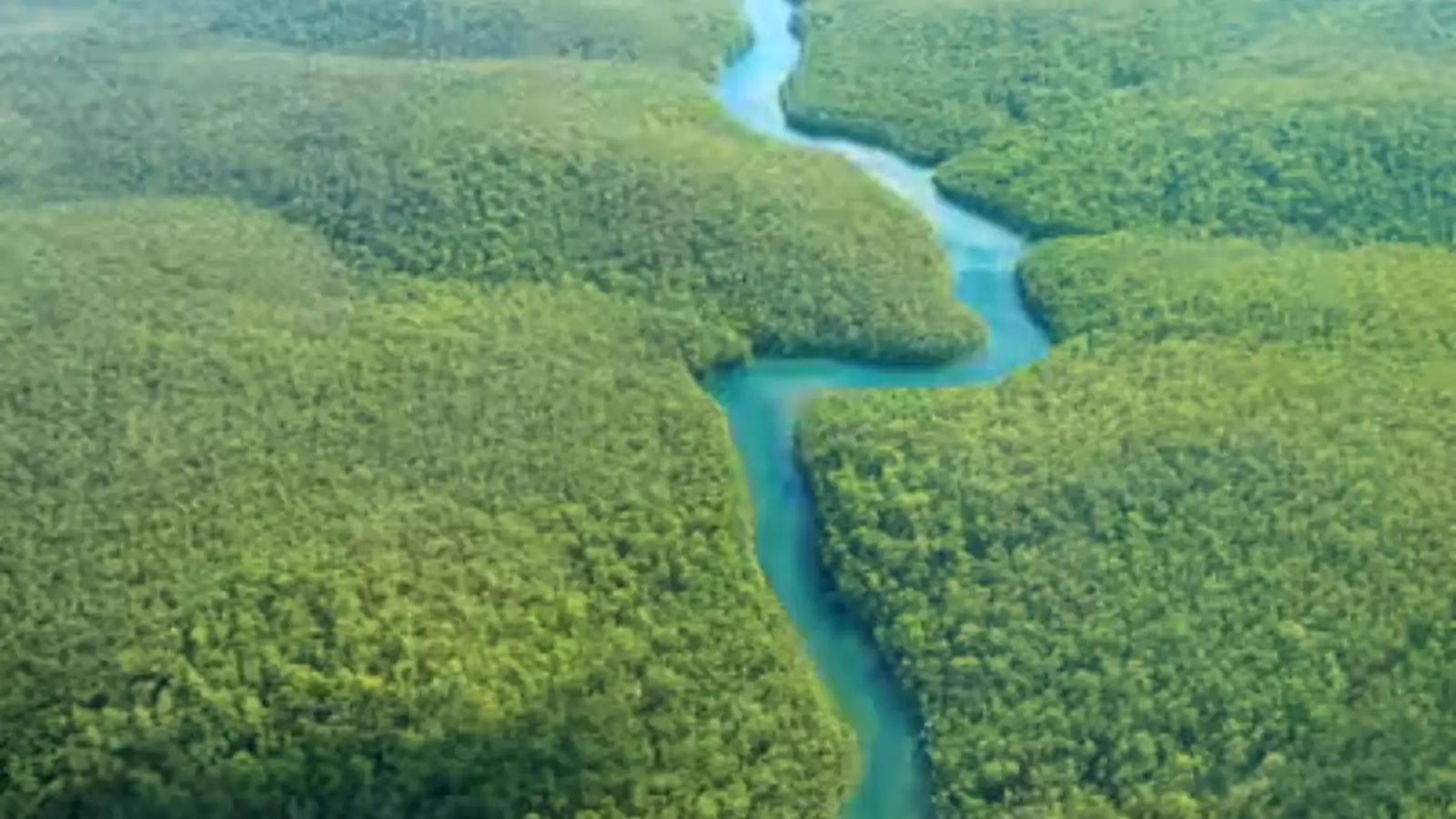
The river also transports huge quantities of sediment towards the Atlantic Ocean. Its immense size, constantly changing channels and seasonal variations make the Amazon one of the most powerful waterways on the planet.
The lower reaches are particularly dramatic, with turbulent rapids and powerful currents that can exceed 12 miles per hour in certain areas. These conditions make parts of the Congo extremely challenging and dangerous for navigation.
Steep elevation changes, heavy monsoon rainfall and melting Himalayan snow contribute to its powerful flow. During periods of high water, sections of the river can develop currents exceeding 10 miles per hour.
Its challenging rapids have made the Çoruh a popular destination for experienced rafters and kayakers. The combination of mountainous terrain, strong currents and rocky channels gives the river its reputation as one of the world's exciting whitewater waterways.
The river is particularly famous for jet boating, with high-speed boats navigating its dramatic canyons and turbulent sections. Its combination of scenery and powerful currents has turned it into a major adventure destination.
Flood conditions can dramatically increase the strength and speed of the flow. Areas around major channels and diversions can experience especially forceful currents, demonstrating why the Mississippi remains such a formidable waterway despite its generally broad appearance.
As the river moves through narrow rocky valleys and mountain canyons, the water becomes increasingly turbulent. Its challenging whitewater sections attract experienced paddlers looking for technically demanding rapids and fast-moving currents.
This stretch is famous for turbulent Class V whitewater, enormous waves and dangerous whirlpools. The combination of the river's volume, steep terrain and constricted gorge creates some of the most intense whitewater conditions found on a major river.
Mountain rivers often become particularly fast because they descend sharply through rocky valleys and gorges. Meanwhile, even enormous lowland rivers can develop powerful currents when their water volume rises significantly during floods.
For this reason, rivers known for extreme currents are generally navigated only by experienced professionals using appropriate safety equipment and under suitable conditions.
1. Amazon River
The Amazon is famous for carrying more water than any other river on Earth, and its enormous discharge creates exceptionally powerful currents. During the flood season, water levels rise significantly and sections of the river can develop speeds of up to around 15 miles per hour.The river also transports huge quantities of sediment towards the Atlantic Ocean. Its immense size, constantly changing channels and seasonal variations make the Amazon one of the most powerful waterways on the planet.
2. Congo River
The Congo is not only one of Africa's greatest rivers but also the deepest river in the world. In several sections, enormous volumes of water are forced through narrow channels, rocky gorges and steep drops.The lower reaches are particularly dramatic, with turbulent rapids and powerful currents that can exceed 12 miles per hour in certain areas. These conditions make parts of the Congo extremely challenging and dangerous for navigation.
3. Brahmaputra River
Beginning high in the Himalayas, the Brahmaputra gathers tremendous energy as it travels through some of the world's most dramatic mountain terrain. Its journey includes the spectacular Yarlung Tsangpo Grand Canyon before the river eventually enters India.Steep elevation changes, heavy monsoon rainfall and melting Himalayan snow contribute to its powerful flow. During periods of high water, sections of the river can develop currents exceeding 10 miles per hour.
4. Çoruh River
Turkey's Çoruh River is particularly well known among whitewater enthusiasts for its fast-moving and technically demanding rapids. The river cuts through steep mountain valleys, where sharp gradients allow water to accelerate rapidly.Its challenging rapids have made the Çoruh a popular destination for experienced rafters and kayakers. The combination of mountainous terrain, strong currents and rocky channels gives the river its reputation as one of the world's exciting whitewater waterways.
5. Shotover River
New Zealand's Shotover River may be relatively short, but its mountainous setting gives it an exceptionally energetic character. It rushes through narrow canyon walls, with steep drops and alpine runoff contributing to its rapid flow.The river is particularly famous for jet boating, with high-speed boats navigating its dramatic canyons and turbulent sections. Its combination of scenery and powerful currents has turned it into a major adventure destination.
6. Mississippi River
The Mississippi is one of the world's best-known rivers, stretching across a vast part of the United States. Although many sections appear comparatively calm, its enormous volume allows the river to develop powerful currents, particularly in its lower reaches.Flood conditions can dramatically increase the strength and speed of the flow. Areas around major channels and diversions can experience especially forceful currents, demonstrating why the Mississippi remains such a formidable waterway despite its generally broad appearance.
7. Kootenay River
Flowing through Canada and the United States, the Kootenay River receives water from the mountainous landscapes of the Canadian Rockies. Snow and glacial melt contribute to its substantial seasonal flow.You may also like
- Salman Khan's Panvel farmhouse has rice fields, horses and a garden: What makes the actor's country retreat unlike a typical celebrity home
- Gloria Steinem dies at 92: At 28, she went undercover as a young reporter and turned what she witnessed into a lifelong fight for women
- His family chose table tennis because cricket seemed too expensive; Years later, Ankur Bhattacharjee plays with a Rs 48,500 paddle and has won his first WTT singles title
- Michelle Obama's parenting rule is simple but tough: Why she never worried about whether her daughters liked her
- Understanding 'High-Functioning Exhaustion': Why Constant Fatigue in Your 30s and 40s Might Point to Perimenopause
As the river moves through narrow rocky valleys and mountain canyons, the water becomes increasingly turbulent. Its challenging whitewater sections attract experienced paddlers looking for technically demanding rapids and fast-moving currents.
8. Zambezi River
The Zambezi becomes particularly dramatic after passing over Victoria Falls. From there, it enters the narrow Batoka Gorge, where the confined channel forces the water through a series of powerful rapids.This stretch is famous for turbulent Class V whitewater, enormous waves and dangerous whirlpools. The combination of the river's volume, steep terrain and constricted gorge creates some of the most intense whitewater conditions found on a major river.
What Makes a River Flow So Fast?
A river's speed is influenced by several natural factors. Steep elevation drops allow gravity to accelerate water, while narrow channels can concentrate the flow and increase its force. Heavy rainfall, flooding, snowmelt and large water volumes can also dramatically strengthen currents.Mountain rivers often become particularly fast because they descend sharply through rocky valleys and gorges. Meanwhile, even enormous lowland rivers can develop powerful currents when their water volume rises significantly during floods.
Why Are Fast Rivers So Dangerous?
Fast-moving water can be far more powerful than it appears. Strong currents may carry debris, create sudden drops and produce underwater turbulence, whirlpools and large waves. Narrow gorges can make these conditions even more difficult to escape.For this reason, rivers known for extreme currents are generally navigated only by experienced professionals using appropriate safety equipment and under suitable conditions.
The World's Rivers Show the Power of Moving Water
From the enormous Amazon to the turbulent Zambezi, these rivers demonstrate how dramatically geography can influence the movement of water. The fastest rivers in the world are shaped by a combination of volume, terrain, rainfall, snowmelt and elevation - and many have become famous not only for their speed but also for the extraordinary landscapes through which they flow.





Loving Newspoint? Download the app now
