
8 Monsoon Foods to Avoid During Pregnancy


Foods to eat and avoid during pregnancy in the monsoon depend largely on hygiene and freshness rather than on the food itself. Warm, freshly cooked, home-prepared meals and seasonal fruits like pears, pomegranates, and jamun are safe choices. Leafy greens, street food, raw salads, seafood, and unpasteurised dairy carry a higher risk of infection during this season and are best avoided. Pregnancy naturally lowers immune responses, making expectant mothers more vulnerable to waterborne, vectorborne, and respiratory infections during the monsoon. Careful food selection during these months protects both mother and baby from largely preventable illnesses.
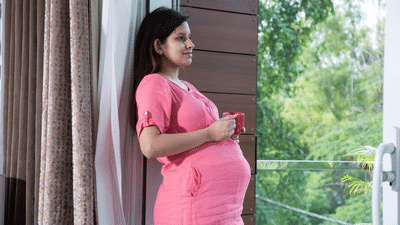

8 Foods to Avoid During Pregnancy in the MonsoonThese foods carry a higher risk of contamination or spoilage during the monsoon and need extra caution or are best skipped
Street food and chaat: Deep-fried street food is best avoided during pregnancy, especially during the monsoon, as unhygienic preparation and reused oil increase the risk of food poisoning. Leafy vegetables: Spinach, cabbage, and fenugreek trap moisture, dirt, and bacteria that are hard to remove even after washing; if eaten, they should be soaked in salt water and cooked thoroughly, not eaten raw. Seafood: Prawns and fish undergo breeding season during monsoon, which may affect their freshness and raise the risk of contamination, so raw or undercooked seafood is best avoided. Raw or undercooked eggs: These can carry Salmonella; eggs should be cooked until the yolk is fully set. Unpasteurised dairy and soft cheeses: Opt for pasteurised milk, curd, and paneer from a trusted source, since unpasteurised dairy may carry Listeria. Raw salads and cut fruit from outside: Pre-cut fruit and salads sold outdoors are exposed to contaminated water and flies, raising the risk of gastrointestinal infections. Foods with high water content eaten raw: Melons and cucumbers can carry surface contamination from rain-affected irrigation water; wash and peel thoroughly before eating. Reheated/leftover food: Humidity along with power cuts (common in monsoon) speed up bacterial regrowth in cooked food left at room temperature. 8 Foods to Eat During Pregnancy in the MonsoonThe right monsoon diet focuses on freshness, hygiene, and easy digestion rather than any special ingredients.
Home-cooked, freshly prepared meals: Cook vegetables and meat thoroughly using fresh ingredients to lower the risk of enteric infections during pregnancy in the monsoon. Seasonal fruits: Pears, pomegranates, jamun, and papaya (ripe, in moderation) are gentle on digestion and rich in vitamin C, which supports immunity. Non-leafy vegetables: Bottle gourd, ridge gourd, bitter gourd, and pumpkin are low-risk alternatives to leafy greens and easier to clean thoroughly. Warm soups and dals: Lentil soups and vegetable broths are easy to digest and help maintain hydration. Protein sources: Eggs (fully cooked) and lean, well-cooked meat help meet the higher protein needs of pregnancy and support immune function. Probiotic foods: Pasteurised curd or yoghurt, taken fresh, can support gut health and digestion. Herbal drinks: Ginger or tulsi tea, in moderation, can ease digestion, though pregnant women should confirm the appropriate amount with their doctor, as some herbs are not advised during pregnancy. Boiled or filtered water: Essential for cooking, drinking, and washing produce, since rainwater run-off can contaminate open water sources.Any fever, infection, or unusual symptoms should be reported to the doctor promptly.
Choose warm, freshly cooked, home-prepared food and avoid raw, street, and unrefrigerated items to stay safe and enjoy the monsoon season without unnecessary health risks.
8 Foods to Avoid During Pregnancy in the MonsoonThese foods carry a higher risk of contamination or spoilage during the monsoon and need extra caution or are best skipped
Choose warm, freshly cooked, home-prepared food and avoid raw, street, and unrefrigerated items to stay safe and enjoy the monsoon season without unnecessary health risks.
Next Story