
A Cup Of India: Famous Tea Varieties You Must Try This International Tea Day

India’s love for chai is a timeless story that has brewed over centuries. More than just a drink, chai is woven into the cultural fabric of the nation. On International Tea Day 2025, celebrated every year on May 21, we celebrate this beloved beverage and the many stories and traditions it carries.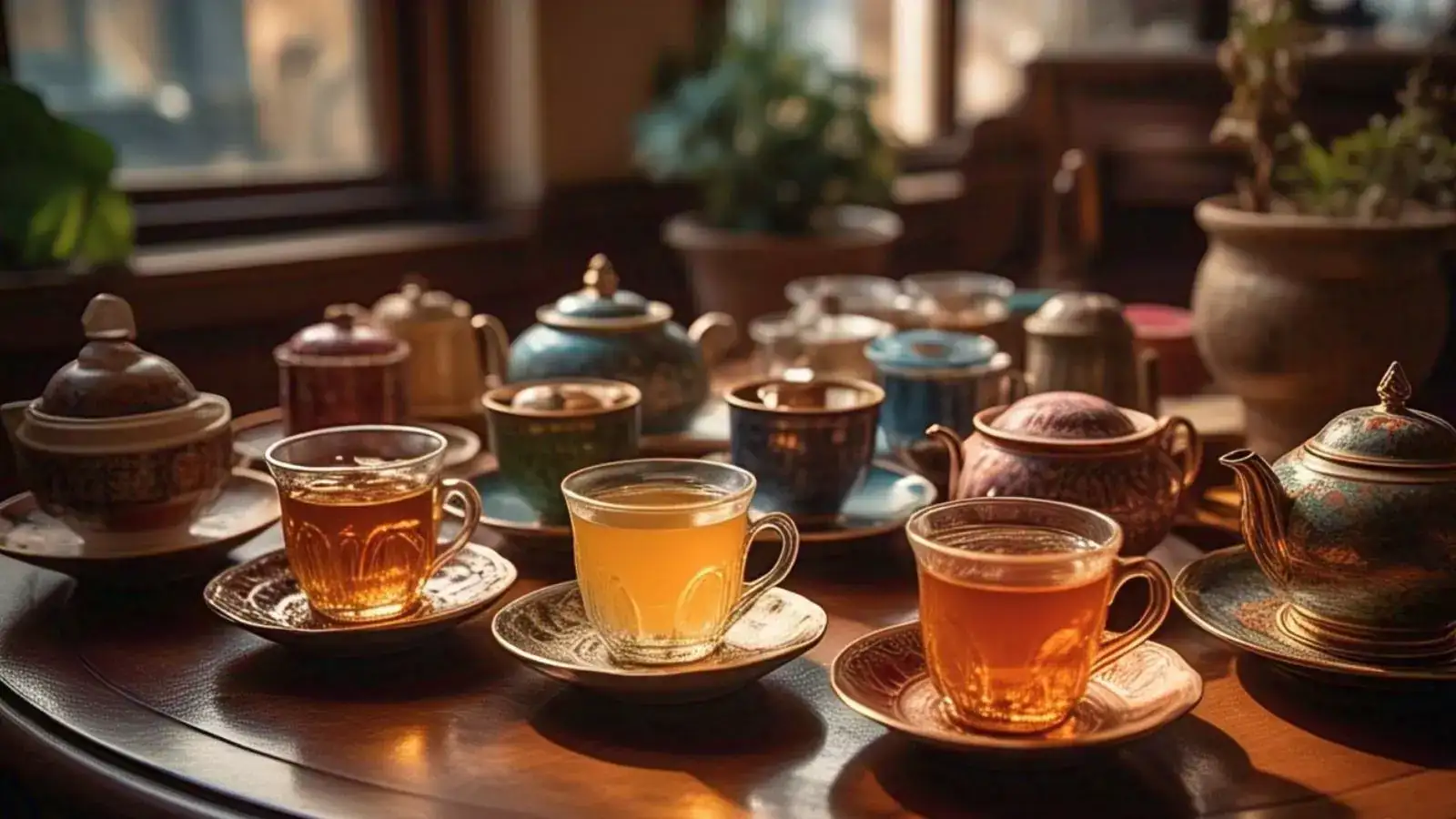
From sipping masala chai with pakoras during rainy evenings to enjoying lemon tea on a summer afternoon, tea finds a place in nearly every Indian memory. Whether it’s bonding at a roadside tapri with friends or waking up to a chaiwala’s call on a train journey, chai has always had a special place in Indian life. For many, tea-making has even been a rite of passage in households—one that can make or break impressions.
As we honour International Tea Day, let’s dive into the unique tea varieties that make India a true chai lover’s paradise.
The Origins of Chai in India
With a history of over 5,000 years, tea was originally valued for its medicinal benefits. Over time, it evolved into a popular beverage worldwide. In 2019, the United Nations designated May 21 as International Tea Day, with the aim to encourage sustainable production and increase consumption in tea-producing countries.
Colonial Influence on Indian Tea Culture
The story of tea in India cannot be told without mentioning the British East India Company, which began cultivating tea in Assam during colonial times. What started as black tea with milk and sugar was soon reinvented by Indians with their own twist—adding spices like ginger, cardamom, and cinnamon. Thus, the legendary masala chai was born.
Health Benefits of Chai
Chai is more than a comforting drink—it’s a wellness elixir.
India’s Most Popular and Unique Teas
India’s diversity extends to its tea preferences, with each region offering its own signature blend:
1. Butter Tea (Gur Gur Chai) – Ladakh & Sikkim
This salty tea made from tea leaves, yak butter, water, and salt is a staple in high-altitude regions like Ladakh and Sikkim. Locals consume up to 30 cups a day, and the rich, creamy texture keeps the body warm in harsh climates.
2. Kahwa – Kashmir
A traditional Kashmiri tea infused with cinnamon, saffron, cardamom, rose petals, and green tea leaves. Topped with honey and almonds, it’s a luxurious drink perfect for cold weather.
3. Noon Chai (Sheer Chai) – Kashmir
Recognised for its pink colour, Noon Chai is brewed with baking soda, cardamom, and milk, often enjoyed with salt and garnished with almonds and pistachios.
4. Lebu Cha – Kolkata
This spiced lemon tea is a street favourite in West Bengal. Vendors blend black tea with lemon juice and spices, giving it a tangy and refreshing twist that’s unique to Kolkata.
5. Kangra Tea – Himachal Pradesh
Known as the tea capital of North India, Kangra in Himachal Pradesh grows both green and black teas. Kangra tea has a vegetal aroma and a mild pungency that sets it apart.
6. Masala Chai – All Over India
Masala chai is perhaps the most iconic Indian tea. Made with black tea, milk, sugar, and a spice mix (often including ginger, cardamom, cinnamon, and cloves), every Indian household has its own secret recipe for this national favourite.
Whether it’s a roadside cup or a gourmet blend, chai remains at the heart of Indian hospitality and culture. On World Tea Day 2025, raise a cup to this centuries-old tradition and the diversity it brings.
From sipping masala chai with pakoras during rainy evenings to enjoying lemon tea on a summer afternoon, tea finds a place in nearly every Indian memory. Whether it’s bonding at a roadside tapri with friends or waking up to a chaiwala’s call on a train journey, chai has always had a special place in Indian life. For many, tea-making has even been a rite of passage in households—one that can make or break impressions.
As we honour International Tea Day, let’s dive into the unique tea varieties that make India a true chai lover’s paradise.
The Origins of Chai in India
With a history of over 5,000 years, tea was originally valued for its medicinal benefits. Over time, it evolved into a popular beverage worldwide. In 2019, the United Nations designated May 21 as International Tea Day, with the aim to encourage sustainable production and increase consumption in tea-producing countries.
Colonial Influence on Indian Tea Culture
The story of tea in India cannot be told without mentioning the British East India Company, which began cultivating tea in Assam during colonial times. What started as black tea with milk and sugar was soon reinvented by Indians with their own twist—adding spices like ginger, cardamom, and cinnamon. Thus, the legendary masala chai was born.
You may also like
- Meet Kiran Ahirwar, the 'Drone Didi' from Guna, Madhya Pradesh who became a Lakhpati Didi and is inspiring village women; “Mujhe gaon ki mahila nahi, plane ki pilot dikh rahi thi”
- New Rule: If you want to avail the LPG subsidy, complete this important task before October 1st..
- Psychology says teenagers who stop sharing everything with parents aren't necessarily losing their bond: Understanding growing independence
- Thaimaman Scheme: 'Vijay Government' to put gold rings on 1.28 lakh children on September 28..
- Pitru Paksha 2026: September 26 or 27? Know the Correct Shraddha Dates
Health Benefits of Chai
Chai is more than a comforting drink—it’s a wellness elixir.
- Ginger and black pepper aid digestion
- Cloves relieve stomach discomfort
- Cardamom helps with mood balance
- Cinnamon supports heart and lung health
India’s Most Popular and Unique Teas
India’s diversity extends to its tea preferences, with each region offering its own signature blend:
1. Butter Tea (Gur Gur Chai) – Ladakh & Sikkim
This salty tea made from tea leaves, yak butter, water, and salt is a staple in high-altitude regions like Ladakh and Sikkim. Locals consume up to 30 cups a day, and the rich, creamy texture keeps the body warm in harsh climates.
2. Kahwa – Kashmir
A traditional Kashmiri tea infused with cinnamon, saffron, cardamom, rose petals, and green tea leaves. Topped with honey and almonds, it’s a luxurious drink perfect for cold weather.
3. Noon Chai (Sheer Chai) – Kashmir
Recognised for its pink colour, Noon Chai is brewed with baking soda, cardamom, and milk, often enjoyed with salt and garnished with almonds and pistachios.
4. Lebu Cha – Kolkata
This spiced lemon tea is a street favourite in West Bengal. Vendors blend black tea with lemon juice and spices, giving it a tangy and refreshing twist that’s unique to Kolkata.
5. Kangra Tea – Himachal Pradesh
Known as the tea capital of North India, Kangra in Himachal Pradesh grows both green and black teas. Kangra tea has a vegetal aroma and a mild pungency that sets it apart.
6. Masala Chai – All Over India
Masala chai is perhaps the most iconic Indian tea. Made with black tea, milk, sugar, and a spice mix (often including ginger, cardamom, cinnamon, and cloves), every Indian household has its own secret recipe for this national favourite.
Whether it’s a roadside cup or a gourmet blend, chai remains at the heart of Indian hospitality and culture. On World Tea Day 2025, raise a cup to this centuries-old tradition and the diversity it brings.






Loving Newspoint? Download the app now
