
A Greener Tomorrow: The Most Essential Tips For Zero Waste Lifestyle Success at Home

The global environmental crisis has forced millions of households to reconsider how their everyday purchasing decisions impact our delicate planet. From overflowing city landfills to plastic pollution choking marine life, the consequences of our modern throwaway culture are impossible to ignore. While transitioning to a sustainable existence might seem daunting, it is not about achieving absolute perfection from day one. Rather, it is about consistently making conscious, informed choices that prioritize longevity, reuse, and minimal environmental footprints. Integrating the most essential tips for zero waste lifestyle management into your regular routine allows you to take control of your domestic output and protect nature.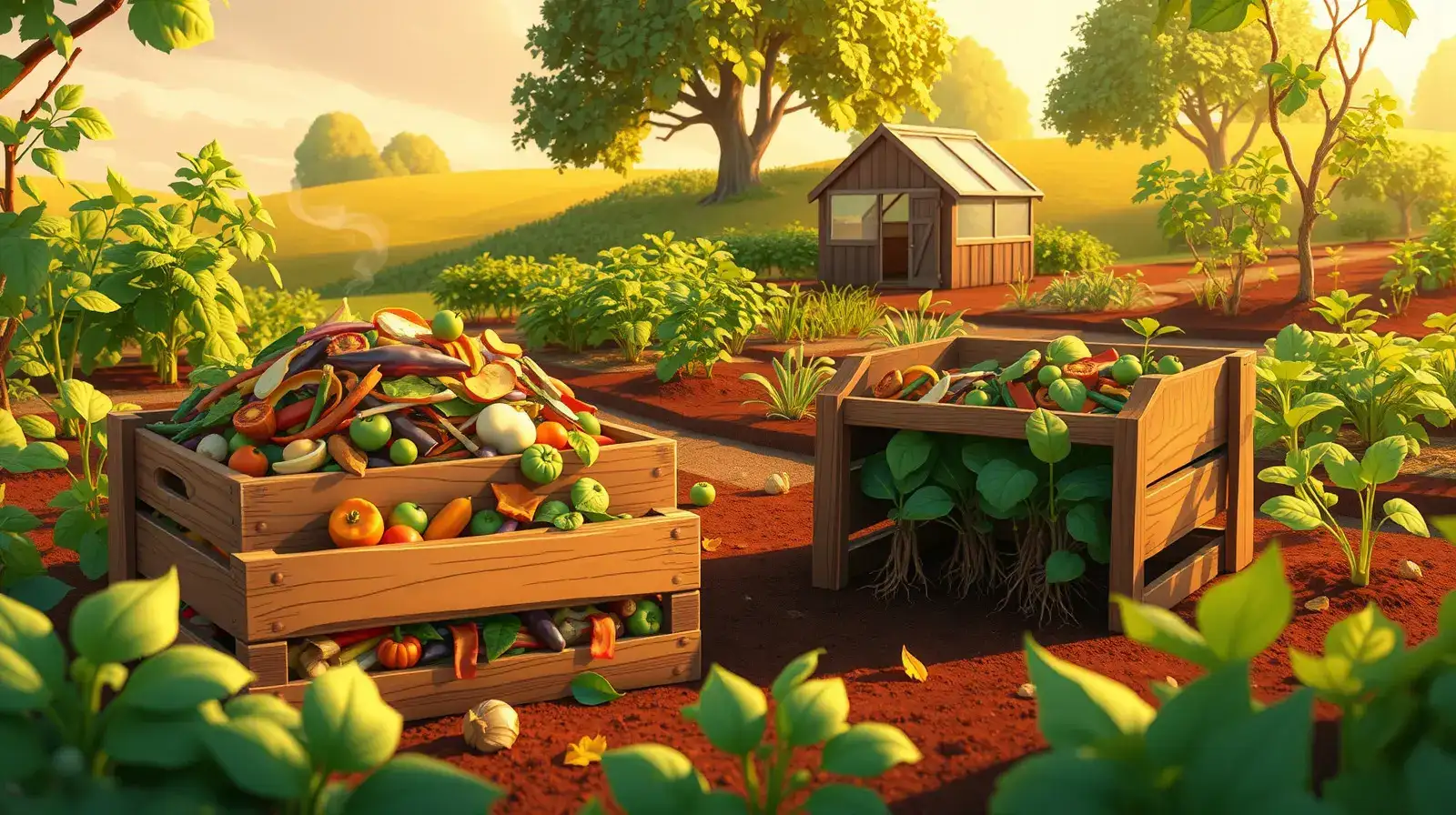
Refusing single-use marketing freebies and avoiding plastic-wrapped produce at the grocery store cuts down on unnecessary packaging before it enters your home. By mindfully reducing what you buy and repairing broken items instead of discarding them, you actively break the cycle of consumerism.
Invest in a durable set of cotton mesh produce bags and glass storage jars to transition toward shopping at bulk-buy refill grocery stores. Implementing these smart zero waste kitchen tips dramatically helps reduce household plastic waste , proving that a tidy, organised pantry can coexist beautifully with environmentalism.
Switch from liquid body washes housed in plastic containers to concentrated, packaging-free soap bars and solid shampoo blocks. Opt for sustainable bamboo toothbrushes and refillable silk dental floss inside glass dispensers to create a highly effective, natural sustainable living guide routine.
By setting up a compact compost bin or a kitchen worm farm, you can safely transform these scraps into nutrient-rich soil. This localized process perfectly demonstrates the beauty of a circular economy at home , closing the loop on food waste while feeding your garden plants naturally.
Embracing the Five Pillars of Waste Minimisation
To establish truly effective eco-friendly lifestyle habits, you must look beyond standard recycling and understand the broader circular economy framework. The absolute foundation of sustainable living rests upon five progressive actions: refuse, reduce, reuse, repurpose, and rot.Refusing single-use marketing freebies and avoiding plastic-wrapped produce at the grocery store cuts down on unnecessary packaging before it enters your home. By mindfully reducing what you buy and repairing broken items instead of discarding them, you actively break the cycle of consumerism.
Transforming Your Space with Zero Waste Kitchen Tips
The family kitchen is historically the largest source of domestic trash, making it the perfect room to launch your environmental initiatives. Swap out disposable plastic cling film and aluminum foil for washable, beeswax food wraps that keep leftovers fresh naturally.Invest in a durable set of cotton mesh produce bags and glass storage jars to transition toward shopping at bulk-buy refill grocery stores. Implementing these smart zero waste kitchen tips dramatically helps reduce household plastic waste , proving that a tidy, organised pantry can coexist beautifully with environmentalism.
Rethinking Modern Personal Care and Bathroom Routines
The modern bathroom is often filled with single-use plastic bottles, synthetic wet wipes, and non-biodegradable plastic toothbrushes that harm our oceans. Making a few simple product swaps can instantly eliminate a significant portion of this plastic footprint from your weekly rubbish collection.Switch from liquid body washes housed in plastic containers to concentrated, packaging-free soap bars and solid shampoo blocks. Opt for sustainable bamboo toothbrushes and refillable silk dental floss inside glass dispensers to create a highly effective, natural sustainable living guide routine.
Cultivating a Successful Home Composting System
The final, vital step in mastering a low-impact household involves dealing responsibly with your organic food scraps and vegetable peelings. When organic waste is thrown into standard rubbish bins, it gets buried in landfills and releases harmful methane gases.By setting up a compact compost bin or a kitchen worm farm, you can safely transform these scraps into nutrient-rich soil. This localized process perfectly demonstrates the beauty of a circular economy at home , closing the loop on food waste while feeding your garden plants naturally.
Next Story