
A Journey Into The Heart Of Villages: How To Experience Rural India On Your Travels

Travelling beyond cities and into the countryside offers an entirely different perspective on culture, traditions, and daily life. Rural areas provide a glimpse into a slower, more authentic way of living, where nature, heritage, and community spirit thrive. Whether it is exploring picturesque villages, engaging with local communities, or participating in traditional crafts, experiencing rural life can be deeply enriching. Away from the modern hustle, these destinations allow travellers to immerse themselves in natural beauty and timeless traditions. Understanding how to navigate and respect rural spaces ensures a meaningful and responsible journey that leaves a lasting impression.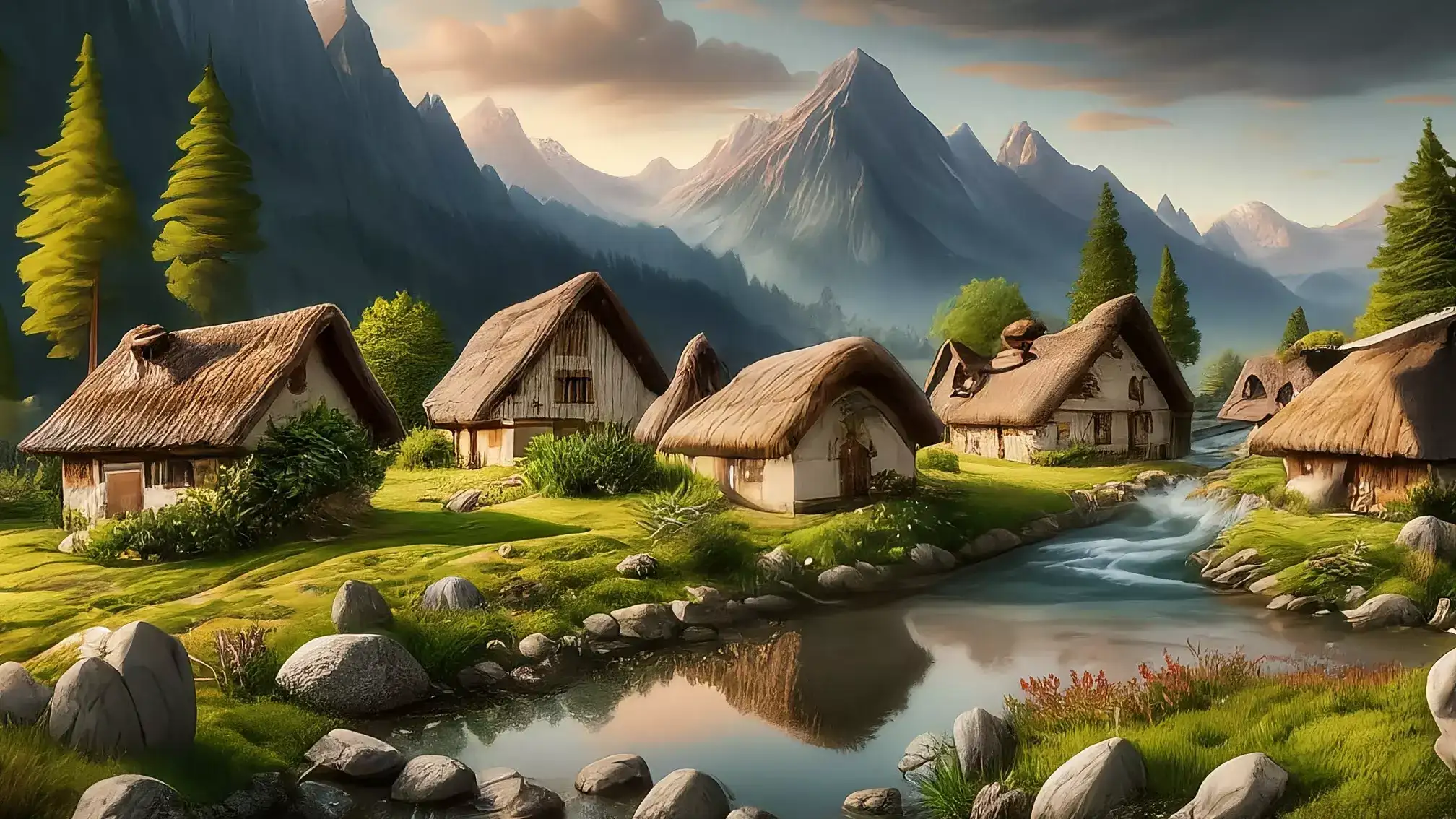
Choosing the Right Rural Destination
India’s diverse landscapes and cultural richness make it an excellent place for rural exploration. Selecting the right destination depends on personal interests, whether it be scenic beauty, historical significance, or local traditions. The desert villages of Rajasthan, such as Khimsar or Chandelao, offer a blend of heritage and rustic charm. For those drawn to lush greenery, the tea estates of Assam or the backwater villages of Kerala provide a peaceful escape. The Himalayan hamlets of Uttarakhand and Himachal Pradesh offer an experience of mountain life, while the tribal regions of Odisha and Chhattisgarh reveal indigenous customs and artistry.
Staying in Rural Homestays and Eco-Lodges
Accommodation plays a key role in an immersive rural experience. Choosing a homestay allows travellers to live with local families, gaining insights into their daily routines and traditions. Many villages offer well-maintained homestays where guests can enjoy home-cooked meals, cultural performances, and guided village walks. Eco-lodges in remote areas provide an opportunity to stay amidst nature while ensuring sustainability. These accommodations not only contribute to the local economy but also offer a genuine connection with the land and people.
Engaging with Local Communities
One of the most rewarding aspects of rural travel is the opportunity to interact with the local population. Villagers are often welcoming and eager to share their customs, cuisine, and way of life. Engaging in activities such as farming, pottery-making, or weaving can provide a hands-on learning experience. Many rural tourism initiatives also arrange folk music and dance performances, storytelling sessions, and cooking workshops, allowing visitors to understand local traditions more intimately. Respecting local customs and being open to learning enhances the overall experience.
Exploring Local Cuisine and Traditional Farming
Food is an essential part of cultural immersion, and rural areas often offer unique culinary experiences. Meals in villages are usually prepared using fresh, organic ingredients, cooked with time-honoured techniques. Travellers can savour regional specialities such as Rajasthani dal baati churma, Bihar’s litti chokha, or coastal Maharashtra’s Malvani seafood dishes. Participating in traditional farming activities, such as rice planting, milking cows, or harvesting seasonal vegetables, provides a deeper appreciation of agricultural lifestyles. Many rural communities also practise sustainable farming, making them ideal places to learn about organic and natural food cultivation.
Experiencing Handicrafts and Traditional Art
Many villages are home to artisans who have preserved centuries-old crafts. Visiting these rural hubs offers a chance to witness the creation of exquisite handmade products. Madhubani paintings in Bihar, Pattachitra art in Odisha, blue pottery in Rajasthan, and handwoven textiles in Gujarat are just a few examples of India’s rural craftsmanship. Engaging in workshops or purchasing handmade items directly from artisans not only supports their livelihoods but also helps keep these traditional arts alive.
Exploring Nature and Rural Landscapes
Rural areas are often surrounded by breathtaking landscapes, offering endless opportunities for nature-based activities. Travellers can enjoy hiking through lush forests, cycling along winding village roads, or birdwatching in serene wetlands. The Western Ghats, for example, are home to stunning biodiversity, while the salt flats of Kutch provide a surreal visual experience. Boat rides through Kerala’s backwaters or jeep safaris in Madhya Pradesh’s lesser-known reserves allow visitors to experience the natural beauty while respecting the environment.
Participating in Rural Festivals and Rituals
Festivals in villages often retain their original charm and are celebrated with great enthusiasm. Unlike city events, rural festivals are deeply rooted in tradition and community participation. Pongal in Tamil Nadu, Bihu in Assam, and Makar Sankranti in various regions are celebrated with harvest-themed rituals, folk performances, and feasts. Attending these local events provides a window into the spiritual and cultural life of rural communities. Many villages also have age-old temple traditions, fairs, and storytelling sessions that showcase their heritage.
Travelling Responsibly in Rural Areas
While exploring rural areas, it is important to follow responsible travel practices. Supporting local businesses by staying in family-run accommodations, purchasing directly from artisans, and dining at village eateries contributes to the economy. Being mindful of the environment by minimising plastic use, respecting wildlife, and leaving no waste behind ensures that these regions remain pristine. Dressing modestly, following local customs, and seeking permission before taking photographs help build respectful relationships with the community. By travelling responsibly, visitors can create meaningful experiences while ensuring a positive impact on the places they explore.
The Unforgettable Experience of Rural Travel
Travelling through rural areas offers an experience unlike any other, blending adventure with cultural depth. From learning age-old traditions to discovering untouched landscapes, rural travel provides a refreshing contrast to city life. The warmth of local hospitality, the richness of folk heritage, and the natural beauty of the countryside make it a rewarding journey. Whether it is through hands-on farming, storytelling by the village elders, or simply enjoying a sunset over the fields, these moments create memories that last a lifetime. Embracing the simplicity of rural life allows travellers to connect with a more authentic and enriching side of the world.
Choosing the Right Rural Destination
India’s diverse landscapes and cultural richness make it an excellent place for rural exploration. Selecting the right destination depends on personal interests, whether it be scenic beauty, historical significance, or local traditions. The desert villages of Rajasthan, such as Khimsar or Chandelao, offer a blend of heritage and rustic charm. For those drawn to lush greenery, the tea estates of Assam or the backwater villages of Kerala provide a peaceful escape. The Himalayan hamlets of Uttarakhand and Himachal Pradesh offer an experience of mountain life, while the tribal regions of Odisha and Chhattisgarh reveal indigenous customs and artistry.
Staying in Rural Homestays and Eco-Lodges
Accommodation plays a key role in an immersive rural experience. Choosing a homestay allows travellers to live with local families, gaining insights into their daily routines and traditions. Many villages offer well-maintained homestays where guests can enjoy home-cooked meals, cultural performances, and guided village walks. Eco-lodges in remote areas provide an opportunity to stay amidst nature while ensuring sustainability. These accommodations not only contribute to the local economy but also offer a genuine connection with the land and people.
Engaging with Local Communities
One of the most rewarding aspects of rural travel is the opportunity to interact with the local population. Villagers are often welcoming and eager to share their customs, cuisine, and way of life. Engaging in activities such as farming, pottery-making, or weaving can provide a hands-on learning experience. Many rural tourism initiatives also arrange folk music and dance performances, storytelling sessions, and cooking workshops, allowing visitors to understand local traditions more intimately. Respecting local customs and being open to learning enhances the overall experience.
Exploring Local Cuisine and Traditional Farming
Food is an essential part of cultural immersion, and rural areas often offer unique culinary experiences. Meals in villages are usually prepared using fresh, organic ingredients, cooked with time-honoured techniques. Travellers can savour regional specialities such as Rajasthani dal baati churma, Bihar’s litti chokha, or coastal Maharashtra’s Malvani seafood dishes. Participating in traditional farming activities, such as rice planting, milking cows, or harvesting seasonal vegetables, provides a deeper appreciation of agricultural lifestyles. Many rural communities also practise sustainable farming, making them ideal places to learn about organic and natural food cultivation.
You may also like
- Cooker Hacks: Cooker Whistle Spraying Water? These Simple Tricks Will Fix It!
- Ghosting has left dating apps — now we ghost friends, colleagues and family
- Got an upper berth on the train? Here's how you can get a lower berth.
- India PMI Data: Service sector growth hits a 4-year low in July; here's why
- Rain Can Be a Source of Income: Start These Profitable Businesses
Experiencing Handicrafts and Traditional Art
Many villages are home to artisans who have preserved centuries-old crafts. Visiting these rural hubs offers a chance to witness the creation of exquisite handmade products. Madhubani paintings in Bihar, Pattachitra art in Odisha, blue pottery in Rajasthan, and handwoven textiles in Gujarat are just a few examples of India’s rural craftsmanship. Engaging in workshops or purchasing handmade items directly from artisans not only supports their livelihoods but also helps keep these traditional arts alive.
Exploring Nature and Rural Landscapes
Rural areas are often surrounded by breathtaking landscapes, offering endless opportunities for nature-based activities. Travellers can enjoy hiking through lush forests, cycling along winding village roads, or birdwatching in serene wetlands. The Western Ghats, for example, are home to stunning biodiversity, while the salt flats of Kutch provide a surreal visual experience. Boat rides through Kerala’s backwaters or jeep safaris in Madhya Pradesh’s lesser-known reserves allow visitors to experience the natural beauty while respecting the environment.
Participating in Rural Festivals and Rituals
Festivals in villages often retain their original charm and are celebrated with great enthusiasm. Unlike city events, rural festivals are deeply rooted in tradition and community participation. Pongal in Tamil Nadu, Bihu in Assam, and Makar Sankranti in various regions are celebrated with harvest-themed rituals, folk performances, and feasts. Attending these local events provides a window into the spiritual and cultural life of rural communities. Many villages also have age-old temple traditions, fairs, and storytelling sessions that showcase their heritage.
Travelling Responsibly in Rural Areas
While exploring rural areas, it is important to follow responsible travel practices. Supporting local businesses by staying in family-run accommodations, purchasing directly from artisans, and dining at village eateries contributes to the economy. Being mindful of the environment by minimising plastic use, respecting wildlife, and leaving no waste behind ensures that these regions remain pristine. Dressing modestly, following local customs, and seeking permission before taking photographs help build respectful relationships with the community. By travelling responsibly, visitors can create meaningful experiences while ensuring a positive impact on the places they explore.
The Unforgettable Experience of Rural Travel
Travelling through rural areas offers an experience unlike any other, blending adventure with cultural depth. From learning age-old traditions to discovering untouched landscapes, rural travel provides a refreshing contrast to city life. The warmth of local hospitality, the richness of folk heritage, and the natural beauty of the countryside make it a rewarding journey. Whether it is through hands-on farming, storytelling by the village elders, or simply enjoying a sunset over the fields, these moments create memories that last a lifetime. Embracing the simplicity of rural life allows travellers to connect with a more authentic and enriching side of the world.






Loving Newspoint? Download the app now
