
A Journey Through India’s Sacred Rivers That Continue To Inspire Faith And Devotion

India’s rivers have long been regarded as lifelines that sustain communities, agriculture and ecosystems. Yet their significance extends far beyond geography and economics. For millions of people, rivers are revered as sacred entities that embody purity, divinity and spiritual renewal. Flowing through some of the country’s most historic landscapes, these rivers have shaped religious traditions, inspired literature and influenced cultural practices for centuries. From grand pilgrimage sites to everyday rituals performed on their banks, India’s sacred rivers occupy a unique place in the nation’s spiritual consciousness. Their enduring presence continues to connect people with ancient beliefs, offering a sense of continuity, devotion and reverence for nature.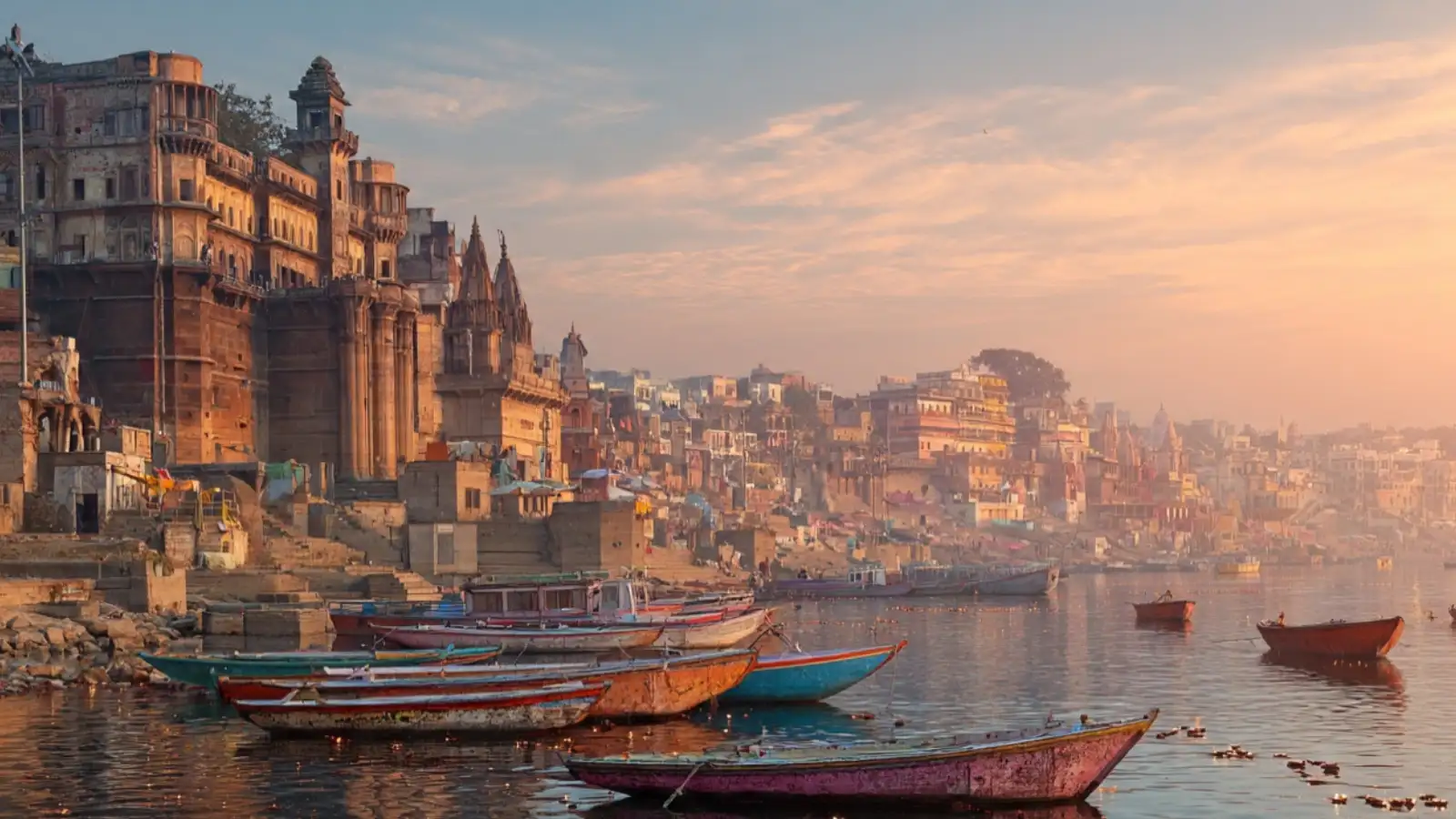
Water has long been associated with purification, renewal and life itself. As a result, many rivers are considered sacred and are worshipped as living embodiments of spiritual power. Their flowing waters symbolise the continuous cycle of life, death and rebirth, concepts that hold deep significance in Indian philosophy.
Pilgrims and devotees frequently visit riverbanks to offer prayers, perform rituals and seek spiritual solace. The belief that sacred waters can cleanse both body and soul remains an important aspect of religious practice across the country.
For centuries, it has been regarded as a symbol of purity and divine grace. Countless devotees travel to its banks to take part in religious ceremonies and immerse themselves in its waters. Major pilgrimage centres located along the river attract visitors throughout the year.
The Ganga's spiritual importance extends beyond religious rituals. It is deeply embedded in Indian literature, folklore and cultural traditions, making it one of the most powerful symbols of faith in the country.
Associated with numerous spiritual traditions and ancient narratives, the river occupies a special place in the hearts of devotees. Temples and pilgrimage sites situated along its banks draw worshippers seeking blessings and spiritual fulfilment.
The Yamuna's connection to devotion and worship highlights how rivers often become central to regional and national religious identities. Its waters continue to play an important role in various ceremonial practices.
A unique spiritual tradition associated with the river is the Narmada Parikrama, a pilgrimage that involves travelling around the river's entire course. This journey is regarded as an act of deep devotion and spiritual discipline.
The river's tranquil landscapes, ancient temples and serene atmosphere contribute to its spiritual appeal. Many pilgrims view the experience as an opportunity for reflection, self-discovery and inner peace.
Flowing through several states, it supports numerous religious centres and pilgrimage destinations. The river becomes a focal point during major religious gatherings and festivals, attracting large numbers of devotees.
Its role in spiritual tourism in India demonstrates how sacred rivers continue to influence cultural and religious life across diverse regions.
Many Indian pilgrimage sites are located along riverbanks, where devotees gather to perform rituals, seek blessings and participate in religious festivals. These journeys are often considered acts of faith that strengthen spiritual connections and provide opportunities for personal growth.
River-based pilgrimages also encourage a deeper appreciation for the cultural heritage of India , as travellers encounter historic temples, ancient towns and traditional communities along the way.
Many ceremonies involve offering flowers, lamps and prayers to river waters. Ritual bathing is often performed during important festivals and auspicious occasions, reflecting beliefs about purification and spiritual renewal.
Even beyond major religious events, countless individuals visit riverbanks each day to meditate, pray or simply experience a sense of peace and connection. These practices demonstrate the enduring religious significance of rivers in Indian society.
Over centuries, they have inspired art, music, poetry and architecture. Many historic cities developed along riverbanks, becoming centres of learning, trade and spirituality. Festivals associated with rivers continue to preserve traditions that have been passed down through generations.
Rivers As Symbols Of Divine Energy
In Indian spiritual traditions, rivers are often viewed as manifestations of divine energy.Water has long been associated with purification, renewal and life itself. As a result, many rivers are considered sacred and are worshipped as living embodiments of spiritual power. Their flowing waters symbolise the continuous cycle of life, death and rebirth, concepts that hold deep significance in Indian philosophy.
Pilgrims and devotees frequently visit riverbanks to offer prayers, perform rituals and seek spiritual solace. The belief that sacred waters can cleanse both body and soul remains an important aspect of religious practice across the country.
The Revered Ganga And Its Spiritual Legacy
Among the sacred rivers of India , the Ganga holds a particularly significant position.For centuries, it has been regarded as a symbol of purity and divine grace. Countless devotees travel to its banks to take part in religious ceremonies and immerse themselves in its waters. Major pilgrimage centres located along the river attract visitors throughout the year.
The Ganga's spiritual importance extends beyond religious rituals. It is deeply embedded in Indian literature, folklore and cultural traditions, making it one of the most powerful symbols of faith in the country.
The Sacred Importance Of The Yamuna
The Yamuna is another river with profound religious significance.Associated with numerous spiritual traditions and ancient narratives, the river occupies a special place in the hearts of devotees. Temples and pilgrimage sites situated along its banks draw worshippers seeking blessings and spiritual fulfilment.
The Yamuna's connection to devotion and worship highlights how rivers often become central to regional and national religious identities. Its waters continue to play an important role in various ceremonial practices.
The Spiritual Journey Along The Narmada
The Narmada is widely revered and is considered one of India's most sacred rivers.A unique spiritual tradition associated with the river is the Narmada Parikrama, a pilgrimage that involves travelling around the river's entire course. This journey is regarded as an act of deep devotion and spiritual discipline.
The river's tranquil landscapes, ancient temples and serene atmosphere contribute to its spiritual appeal. Many pilgrims view the experience as an opportunity for reflection, self-discovery and inner peace.
Godavari And The Spirit Of Devotion
Often referred to as one of India's most important rivers, the Godavari carries immense spiritual significance.Flowing through several states, it supports numerous religious centres and pilgrimage destinations. The river becomes a focal point during major religious gatherings and festivals, attracting large numbers of devotees.
Its role in spiritual tourism in India demonstrates how sacred rivers continue to influence cultural and religious life across diverse regions.
Sacred Rivers And Pilgrimage Traditions
Pilgrimages have long formed an essential part of India's spiritual landscape.Many Indian pilgrimage sites are located along riverbanks, where devotees gather to perform rituals, seek blessings and participate in religious festivals. These journeys are often considered acts of faith that strengthen spiritual connections and provide opportunities for personal growth.
River-based pilgrimages also encourage a deeper appreciation for the cultural heritage of India , as travellers encounter historic temples, ancient towns and traditional communities along the way.
The Role Of Rivers In Religious Rituals
River worship in India remains an integral part of daily religious life.Many ceremonies involve offering flowers, lamps and prayers to river waters. Ritual bathing is often performed during important festivals and auspicious occasions, reflecting beliefs about purification and spiritual renewal.
Even beyond major religious events, countless individuals visit riverbanks each day to meditate, pray or simply experience a sense of peace and connection. These practices demonstrate the enduring religious significance of rivers in Indian society.
Rivers As Custodians Of Cultural Heritage
The influence of sacred rivers extends well beyond religion.Over centuries, they have inspired art, music, poetry and architecture. Many historic cities developed along riverbanks, becoming centres of learning, trade and spirituality. Festivals associated with rivers continue to preserve traditions that have been passed down through generations.
Next Story