
A Night of Feminist Short Plays theatre review: An anthology of plays where feminism takes centre stage


A Night of Feminist Short Plays
(Drama/Comedy Anthology)
★★★★
Cast: Anna Velpukonda , Anmona Chaliha, Cheerisa, Tabassum, Suzanne, Suparna, Percy, Pilli Pournami, Sahaja, Srinidhi, Prakruti Maitri, Sashidhar Kocharlakota, and Nenita Praveen
Director: Anmona Chaliha, Vinaya Sharadha, Suzanne, Prashant Yarramilli , Nayantara Manchala, Sravya, Percy, and Ananth
Duration: 90 min
Language: English, Hindi and Telugu
Review:
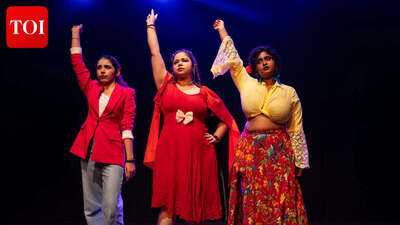
Though many still treat ‘feminist’ like the proverbial F-word, A Night of Feminist Short Plays wears the label with surprising ease. The 90-minute anthology invites audiences into conversations — sometimes hilarious, sometimes devastating — about gender, identity and the realities women continue to navigate.
The production stitches together five short plays that move effortlessly between absurdist comedy , romance and social commentary . Opening with We’re Only Joking, an adaptation of Rose Lewenstein’s work, the show begins on a delightfully absurd note, questioning whether feminism is a choice, who gets to call themselves a feminist and the contradictions that surround the movement. Clever performances and playful writing keep the audience laughing while nudging them towards uncomfortable questions.
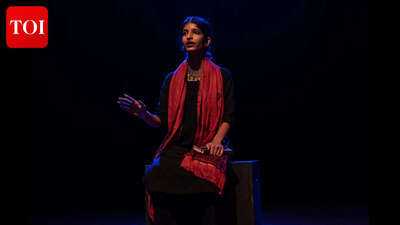
The mood shifts dramatically with Kabhi Toh Aayegi, a haunting retelling of Saadat Hasan Manto’s Khol Do narrated by Death itself. Clad in black and carrying a list of names to be crossed off, Suparna embodies Death with quiet menace, guiding the audience through the horrors of Partition as Sirajuddin searches desperately for his missing daughter, Sakina.
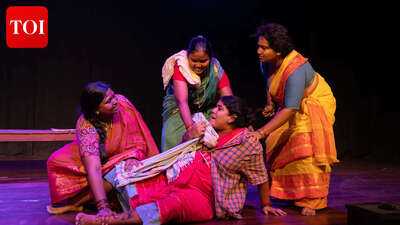
The anthology then pivots towards everyday realities with Gaddi, adapted from Endapalli Bharathi’s Puttamlo Lendi Pettamlo Radu. What begins as an ordinary gathering of women chatting and laughing transforms into a nuanced reflection on language, caste and lived experience, making it one of the production’s strongest social commentaries.
The emotional intensity continues in Two Girls. Adapted from Allie Costa’s play, the haunting duologue explores the aftermath of sexual violence, stripping away the victim-blaming questions society often asks to focus instead on the only one that matters: what happened? While its message remains powerful, inconsistent background music occasionally undercuts the emotional impact.
(Drama/Comedy Anthology)
★★★★
Cast: Anna Velpukonda , Anmona Chaliha, Cheerisa, Tabassum, Suzanne, Suparna, Percy, Pilli Pournami, Sahaja, Srinidhi, Prakruti Maitri, Sashidhar Kocharlakota, and Nenita Praveen
Director: Anmona Chaliha, Vinaya Sharadha, Suzanne, Prashant Yarramilli , Nayantara Manchala, Sravya, Percy, and Ananth
Duration: 90 min
Language: English, Hindi and Telugu
Review:
Though many still treat ‘feminist’ like the proverbial F-word, A Night of Feminist Short Plays wears the label with surprising ease. The 90-minute anthology invites audiences into conversations — sometimes hilarious, sometimes devastating — about gender, identity and the realities women continue to navigate.
The production stitches together five short plays that move effortlessly between absurdist comedy , romance and social commentary . Opening with We’re Only Joking, an adaptation of Rose Lewenstein’s work, the show begins on a delightfully absurd note, questioning whether feminism is a choice, who gets to call themselves a feminist and the contradictions that surround the movement. Clever performances and playful writing keep the audience laughing while nudging them towards uncomfortable questions.
The mood shifts dramatically with Kabhi Toh Aayegi, a haunting retelling of Saadat Hasan Manto’s Khol Do narrated by Death itself. Clad in black and carrying a list of names to be crossed off, Suparna embodies Death with quiet menace, guiding the audience through the horrors of Partition as Sirajuddin searches desperately for his missing daughter, Sakina.
The anthology then pivots towards everyday realities with Gaddi, adapted from Endapalli Bharathi’s Puttamlo Lendi Pettamlo Radu. What begins as an ordinary gathering of women chatting and laughing transforms into a nuanced reflection on language, caste and lived experience, making it one of the production’s strongest social commentaries.
The emotional intensity continues in Two Girls. Adapted from Allie Costa’s play, the haunting duologue explores the aftermath of sexual violence, stripping away the victim-blaming questions society often asks to focus instead on the only one that matters: what happened? While its message remains powerful, inconsistent background music occasionally undercuts the emotional impact.
Next Story