
What Makes A2 Ghee A Modern Superfood? Benefits And Nutrition Explained

In recent years, A2 ghee has gained enormous popularity among health-conscious consumers. From nutritionists to fitness enthusiasts, many people are calling it a “modern superfood .” While ghee has been a staple in Indian kitchens for centuries, A2 ghee has attracted fresh attention because of its unique nutritional profile and traditional preparation methods.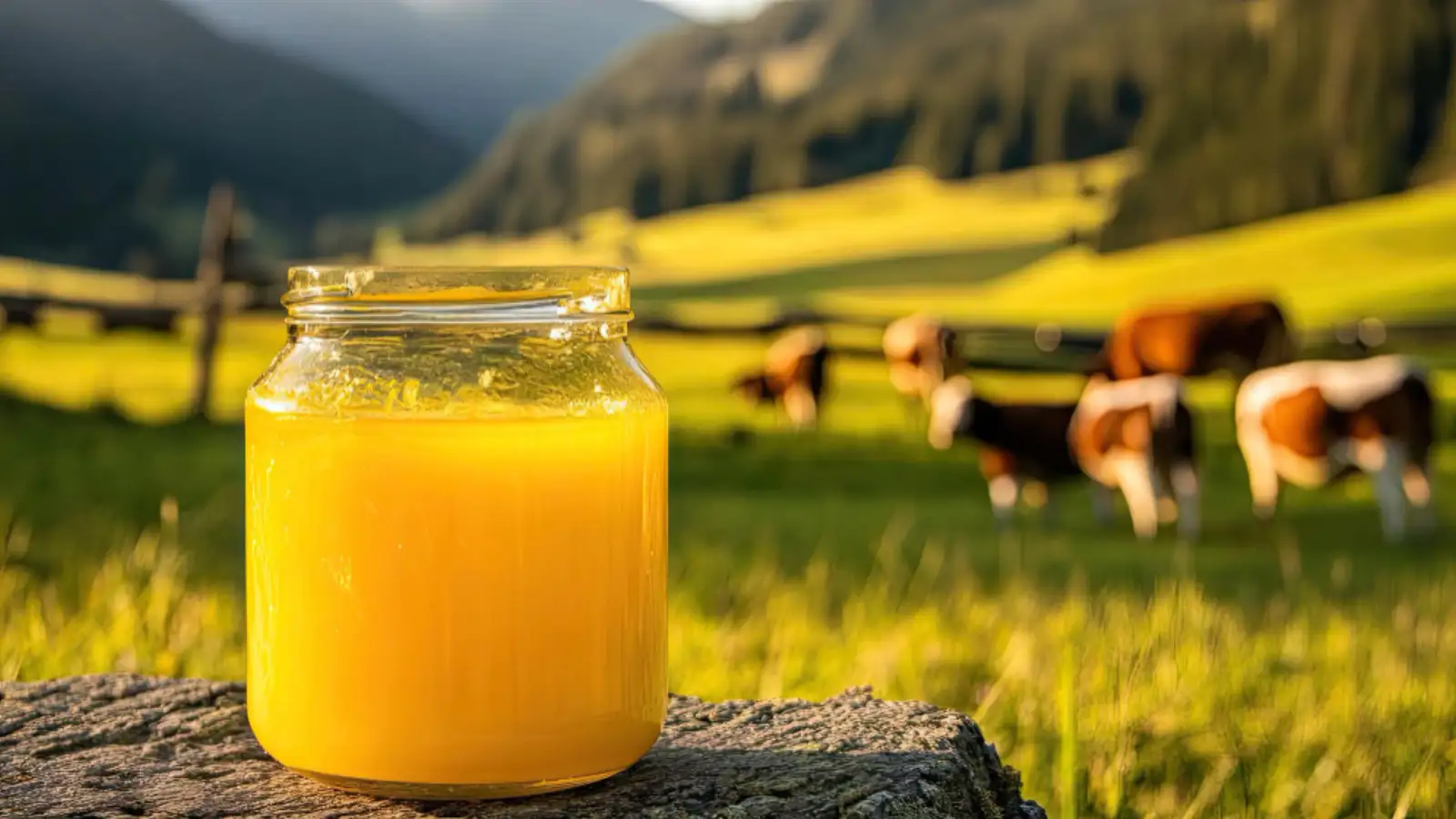
Made from the milk of indigenous Indian cow breeds, A2 ghee is often praised for its digestibility, nutrient content, and versatility in cooking. Supporters say that combining traditional wisdom with modern nutrition science is what makes A2 ghee stand out today.
Some researchers have associated A1 beta-casein with inflammatory and digestive issues, which is why many people believe A2 milk products may be easier to digest. Because A2 ghee is derived from this milk, it is often marketed as a cleaner and more traditional alternative to regular ghee.
The Bilona method has been used in India for thousands of years and is believed to preserve nutrients while improving the ghee’s digestibility and flavour. The result is ghee with a rich aroma, golden colour, and slightly grainy texture that many people associate with purity and authenticity.
According to nutrition sources, A2 ghee includes vitamins A, D, E, and K2 along with omega-3 and omega-9 fatty acids. These nutrients play an important role in supporting immunity, bone health, and brain function.
It also contains conjugated linoleic acid (CLA), a compound that may help regulate fat metabolism and reduce inflammation in the body. Because of these nutrients, A2 ghee is often recommended in moderate amounts for children, athletes, and people recovering from illness.
Made from the milk of indigenous Indian cow breeds, A2 ghee is often praised for its digestibility, nutrient content, and versatility in cooking. Supporters say that combining traditional wisdom with modern nutrition science is what makes A2 ghee stand out today.
What Is A2 Ghee And How Is It Different From Regular Ghee
The key difference between A2 ghee and regular ghee lies in the type of milk used to prepare it. A2 ghee is made from the milk of indigenous Indian cow breeds such as Gir, Sahiwal, and Rathi, which produce milk containing only the A2 beta-casein protein. In contrast, milk from many hybrid or Western breeds contains A1 beta-casein protein.Some researchers have associated A1 beta-casein with inflammatory and digestive issues, which is why many people believe A2 milk products may be easier to digest. Because A2 ghee is derived from this milk, it is often marketed as a cleaner and more traditional alternative to regular ghee.
The Traditional Bilona Method Behind A2 Ghee
Another reason A2 ghee is gaining attention is the traditional Bilona preparation method used to produce it. This ancient process involves fermenting milk into curd, churning it to extract butter, and then slowly heating the butter to obtain ghee.The Bilona method has been used in India for thousands of years and is believed to preserve nutrients while improving the ghee’s digestibility and flavour. The result is ghee with a rich aroma, golden colour, and slightly grainy texture that many people associate with purity and authenticity.
Nutritional Value That Fuels The “Superfood” Label
One of the main reasons A2 ghee is often called a modern superfood is its nutritional composition. It contains several fat-soluble vitamins and beneficial fatty acids that support overall health.According to nutrition sources, A2 ghee includes vitamins A, D, E, and K2 along with omega-3 and omega-9 fatty acids. These nutrients play an important role in supporting immunity, bone health, and brain function.
It also contains conjugated linoleic acid (CLA), a compound that may help regulate fat metabolism and reduce inflammation in the body. Because of these nutrients, A2 ghee is often recommended in moderate amounts for children, athletes, and people recovering from illness.
Next Story