
The Rise of AI Influencers and the Post Human Social Media Era

If you spend a few minutes scrolling through popular social media platforms, you might stumble upon a fashion model, a virtual musician, or a trendy lifestyle vlogger with millions of followers. They post outfit pictures, share daily thoughts, and endorse top commercial brands. However, look closely and you will realize that these flawless figures do not actually exist in the physical world. They are computer generated virtual avatars created by tech agencies and software designers. The rapid popularity of AI influencers makes many people wonder whether we are entering a post human social media era where virtual entities replace real human creators.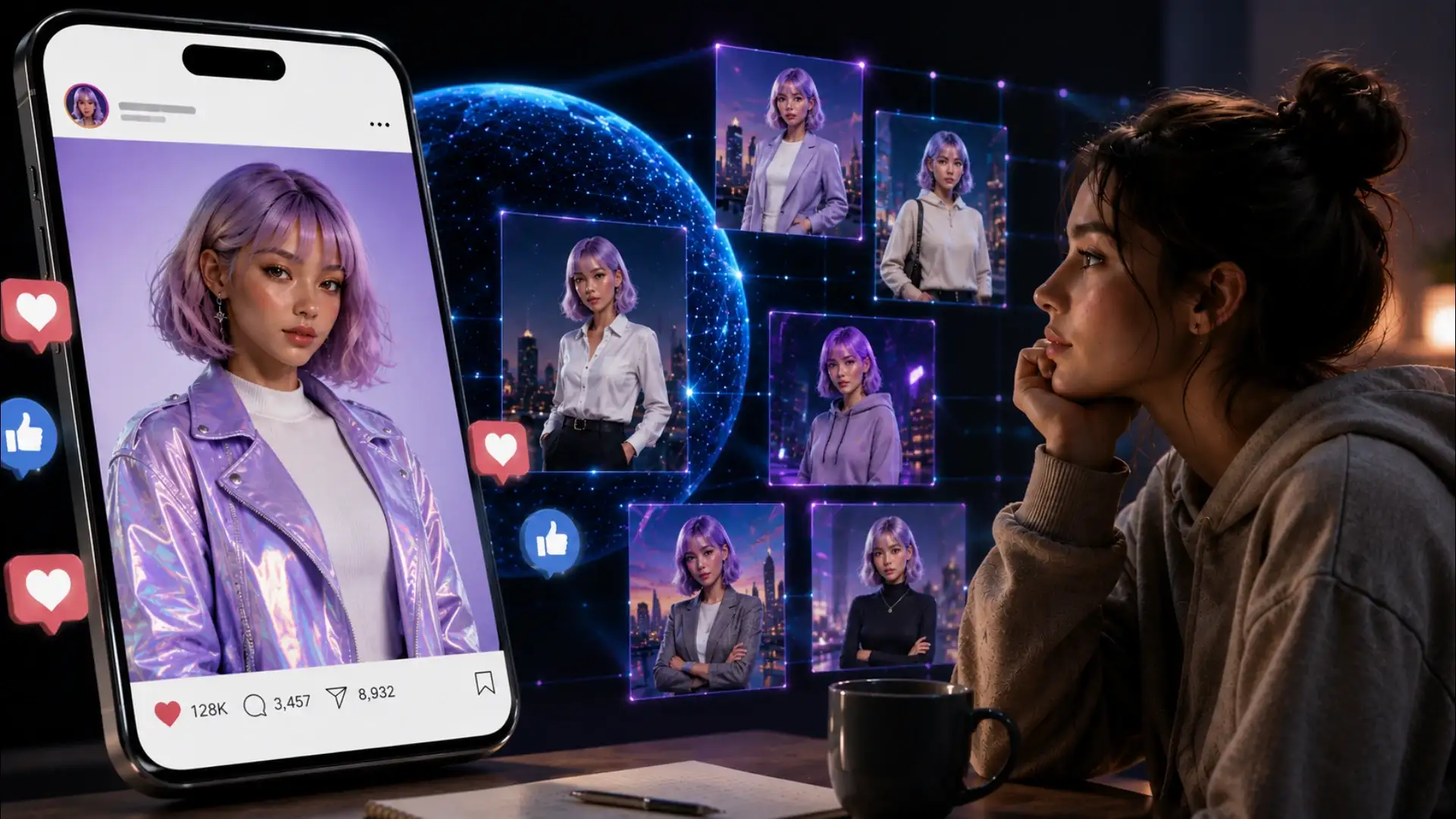
Understanding how synthetic personalities operate allows us to enjoy modern digital innovations while keeping our human connections strong and grounded in reality.
The Rise of Virtual Personalities and Digital Marketing
Virtual creators have captured the attention of millions across the globe. Brands love working with synthetic avatars because they offer complete creative control and zero personal drama. Real human influencers can face fatigue, make public mistakes, or demand complex shooting schedules. In contrast, artificial entities can be programmed to look immaculate in any outfit and speak every language fluently. Marketing agencies can instantly launch global campaigns using virtual avatars without renting expensive filming locations or booking long flights. This ease of production makes synthetic figures highly attractive to major fashion houses and commercial sponsors seeking cheap digital promotion.Why Audiences Connect with Synthetic Characters
It might seem surprising that real people feel connected to fictional characters made from lines of software code. However, online audiences have long been comfortable connecting with animated figures and virtual video game avatars. Digital creators are designed with carefully crafted backstories, relatable personalities, and polished aesthetic styles. When fans interact with their posts by leaving comments and sharing photos, they experience the same entertainment value as following a fictional character in a long running television drama. The line between synthetic fiction and real life personal connections continues to blur every single day.You may also like
- India's first high-altitude wildlife safari to begin in Ladakh this winter; here's how travellers can experience snow leopards and rare Himalayan birds
- How daily coffee can protect UAE residents' hearts if they follow 3 rules
- Do not be bored with a black and white kitchen; here are 5 elements that can add more life and color to your favourite place
- She lived with her father in jail, until an IAS officer asked her one question that changed her life: What Khushi's story teaches us about giving children opportunities
- How to keep your mattress dry during monsoon: 8 simple ways to prevent moisture
The Impact on Real Human Creators and Social Standards
The growth of virtual personalities raises important questions about the future of digital culture and realistic beauty standards. Because synthetic avatars are designed using advanced graphics software, their physical features can be adjusted to look completely flawless. This creates unrealistic standards of physical perfection that no real human can ever hope to match. Furthermore, human content creators who rely on authentic personal experiences and honest struggles may find it hard to compete with artificial accounts that generate endless flawless content around the clock. This change challenges the traditional value of human authenticity in online spaces.Navigating the Future of Digital Interactions
Entering a post human social media era does not mean human creators will disappear entirely. While artificial avatars provide high quality visual entertainment, they lack true human empathy, genuine lived experience, and authentic vulnerability. As virtual personalities become more common, audiences may actually value real human connections and raw imperfection even more than before. The key to a healthy digital future lies in transparency, ensuring viewers always know whether they are interacting with a real human or a virtual character.Understanding how synthetic personalities operate allows us to enjoy modern digital innovations while keeping our human connections strong and grounded in reality.






Loving Newspoint? Download the app now
