
Amazing Animals That Can Change Colours Instantly To Survive In The Wild

Nature is full of extraordinary survival techniques, but few are as fascinating as the ability to change colour instantly. Several animals across oceans, forests and deserts can alter their appearance within seconds to blend into surroundings, communicate with others or defend themselves from predators.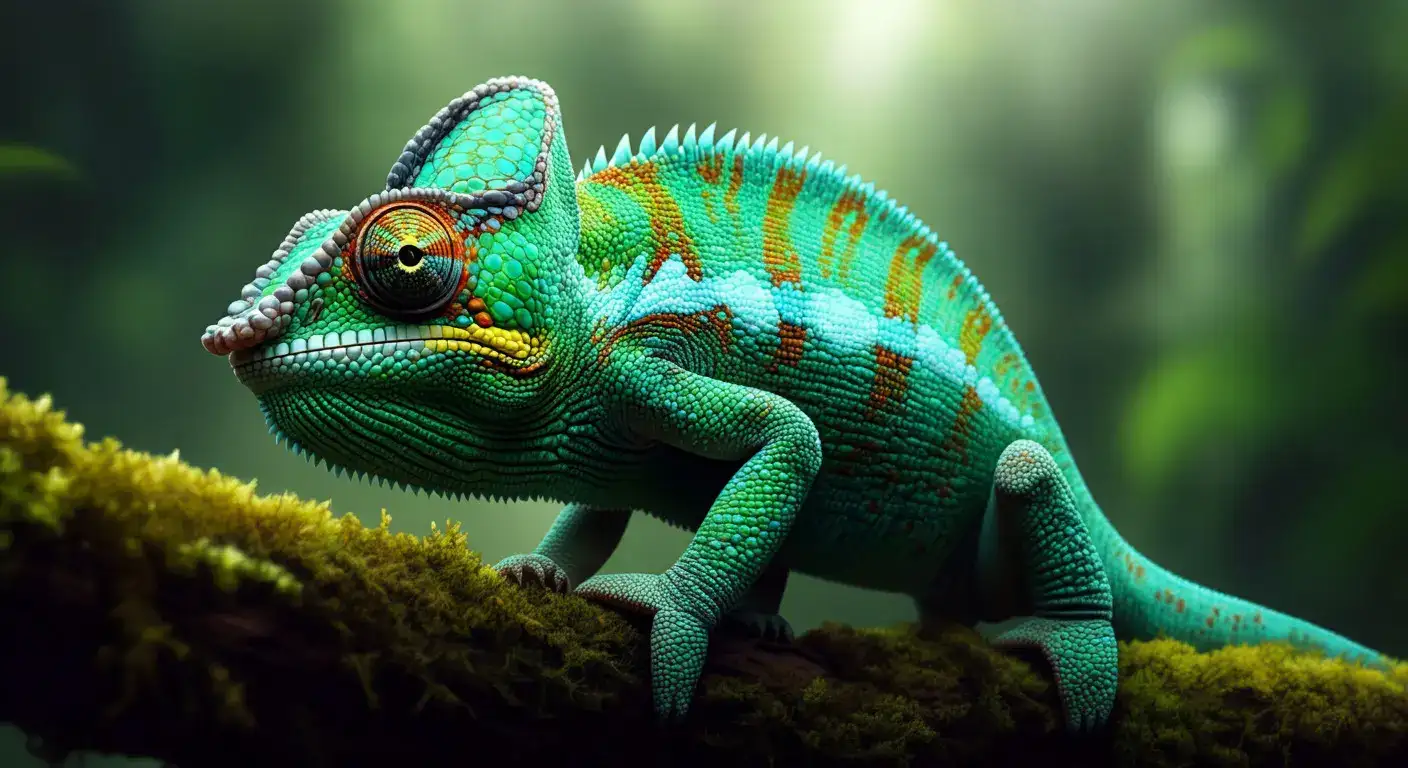
This remarkable adaptation is not simply about beauty or disguise. Colour-changing abilities often help animals survive in dangerous environments where quick reactions can mean the difference between life and death. Some species use specialised skin cells, while others rely on light reflection and pigment movement to create dramatic visual transformations.
From octopuses in the deep sea to reptiles hidden in trees, these creatures continue to amaze scientists and wildlife enthusiasts alike.
Chameleons also change colour to regulate body temperature, express emotions and communicate with rivals or potential mates. Bright colours may signal aggression or excitement, while darker shades can help absorb heat.
Their skin contains specialised cells called chromatophores, which allow pigments and light-reflecting crystals to create different colours and patterns almost instantly.
Their skin contains thousands of chromatophores controlled directly by the nervous system. This allows them to match rocks, coral or sandy seabeds with remarkable accuracy. Some octopuses can even imitate the appearance of other sea animals to avoid predators.
Apart from camouflage in animals , octopuses also use colour shifts during hunting and communication. Their transformations are so fast that they often appear almost invisible underwater.
Scientists believe cuttlefish use these displays to confuse predators, attract mates and communicate with each other. Their skin can rapidly produce stripes, spots and waves of colour while swimming.
Interestingly, cuttlefish are colour-blind, yet they still create highly accurate camouflage using light sensitivity and environmental cues.
Some squid produce bioluminescence, meaning they can create light naturally. Combined with rapid colour changes, this helps them confuse predators or hide from threats.
These unique animal abilities make squid some of the most visually fascinating creatures in marine ecosystems.
This transformation occurs due to moisture changes beneath its transparent shell covering. The beetle often changes colour when disturbed or stressed.
Its reflective golden appearance helps it blend with shiny leaves and sunlight, acting as a natural defence against predators.
Special pigment cells in their skin allow them to copy the colour and texture of sand, rocks or mud almost perfectly. Their adaptation is so effective that they can become difficult to spot even at close range.
This ability supports both hunting and survival in underwater habitats.
Some frogs turn darker during cooler temperatures to absorb heat more effectively. Others shift colours to blend into leaves and tree bark while hiding from predators.
Their adaptive animal behaviour demonstrates how colour transformation can support survival in multiple ways.
As temperatures rise, their coats return to brown or grey shades to match rocky or grassy landscapes. This seasonal camouflage improves protection from predators throughout the year.
These transformations highlight how animals adapt visually to changing environments.
However, colour transformation also supports communication, mating behaviour, temperature control and defence mechanisms. In some cases, sudden bright colours can scare predators long enough for an animal to escape.
Scientists continue to study these fascinating wildlife facts because understanding such abilities may even inspire future technology in materials, military camouflage and robotics.
Nature’s colour-changing creatures reveal just how advanced evolution can be. Whether underwater, in forests or across frozen landscapes, these animals use visual transformation as a powerful survival tool. Their remarkable adaptations continue to fascinate researchers and remind people of the incredible diversity found in the natural world.
This remarkable adaptation is not simply about beauty or disguise. Colour-changing abilities often help animals survive in dangerous environments where quick reactions can mean the difference between life and death. Some species use specialised skin cells, while others rely on light reflection and pigment movement to create dramatic visual transformations.
From octopuses in the deep sea to reptiles hidden in trees, these creatures continue to amaze scientists and wildlife enthusiasts alike.
Chameleons Are Masters Of Camouflage
When people think of animals that change colour , chameleons are usually the first to come to mind. These reptiles are famous for their ability to shift shades rapidly, though colour change is not only used for camouflage.Chameleons also change colour to regulate body temperature, express emotions and communicate with rivals or potential mates. Bright colours may signal aggression or excitement, while darker shades can help absorb heat.
Their skin contains specialised cells called chromatophores, which allow pigments and light-reflecting crystals to create different colours and patterns almost instantly.
Octopuses Can Transform Within Seconds
Octopuses possess one of the most advanced camouflage systems in the animal kingdom. These intelligent marine creatures can change both colour and texture in a matter of moments.Their skin contains thousands of chromatophores controlled directly by the nervous system. This allows them to match rocks, coral or sandy seabeds with remarkable accuracy. Some octopuses can even imitate the appearance of other sea animals to avoid predators.
Apart from camouflage in animals , octopuses also use colour shifts during hunting and communication. Their transformations are so fast that they often appear almost invisible underwater.
Cuttlefish Use Colour Displays To Communicate
Closely related to octopuses, cuttlefish are another example of extraordinary colour changing animals . They can create moving patterns across their skin that look almost like flashing lights.Scientists believe cuttlefish use these displays to confuse predators, attract mates and communicate with each other. Their skin can rapidly produce stripes, spots and waves of colour while swimming.
Interestingly, cuttlefish are colour-blind, yet they still create highly accurate camouflage using light sensitivity and environmental cues.
Squid Can Flash Bright Colours
Many squid species also possess instant colour-changing abilities. Deep-sea squid often use flashing colours as defence mechanisms or communication signals in dark ocean waters.Some squid produce bioluminescence, meaning they can create light naturally. Combined with rapid colour changes, this helps them confuse predators or hide from threats.
These unique animal abilities make squid some of the most visually fascinating creatures in marine ecosystems.
Golden Tortoise Beetles Can Turn Metallic
Not all colour-changing creatures are large animals. The golden tortoise beetle, a small insect found in parts of the Americas, can shift from shiny metallic gold to reddish-brown.This transformation occurs due to moisture changes beneath its transparent shell covering. The beetle often changes colour when disturbed or stressed.
Its reflective golden appearance helps it blend with shiny leaves and sunlight, acting as a natural defence against predators.
Flounders Blend Into The Ocean Floor
Flounders are flatfish known for their exceptional camouflage abilities. These fish spend much of their time lying on the seabed, where changing colour helps them remain hidden from predators and prey.Special pigment cells in their skin allow them to copy the colour and texture of sand, rocks or mud almost perfectly. Their adaptation is so effective that they can become difficult to spot even at close range.
This ability supports both hunting and survival in underwater habitats.
Tree Frogs Can Adjust Their Skin Colour
Certain tree frogs are capable of changing colour depending on temperature, humidity, mood or surrounding light conditions. While their changes are not always as dramatic as those of chameleons, they still serve important purposes.Some frogs turn darker during cooler temperatures to absorb heat more effectively. Others shift colours to blend into leaves and tree bark while hiding from predators.
Their adaptive animal behaviour demonstrates how colour transformation can support survival in multiple ways.
Arctic Animals Change Colours Seasonally
Although not instant, some Arctic animals undergo major colour changes with the seasons. Species such as the Arctic fox and snowshoe hare develop white fur during winter to blend into snowy surroundings.As temperatures rise, their coats return to brown or grey shades to match rocky or grassy landscapes. This seasonal camouflage improves protection from predators throughout the year.
These transformations highlight how animals adapt visually to changing environments.
Why Colour Change Matters In Nature
The ability to change colour offers several advantages in the wild. Camouflage remains the most obvious benefit, helping animals hide from predators or ambush prey successfully.However, colour transformation also supports communication, mating behaviour, temperature control and defence mechanisms. In some cases, sudden bright colours can scare predators long enough for an animal to escape.
Scientists continue to study these fascinating wildlife facts because understanding such abilities may even inspire future technology in materials, military camouflage and robotics.
Nature’s colour-changing creatures reveal just how advanced evolution can be. Whether underwater, in forests or across frozen landscapes, these animals use visual transformation as a powerful survival tool. Their remarkable adaptations continue to fascinate researchers and remind people of the incredible diversity found in the natural world.
Next Story