
Amazing Facts About Tigers That May Surprise Even Wildlife Lovers Around The World

Tigers are among the most iconic animals on Earth. Known for their strength, beauty and powerful presence, these big cats have fascinated humans for centuries. They appear in folklore, literature, films and cultural traditions across Asia and beyond. Despite their popularity, many people are unaware of several surprising facts about these majestic predators.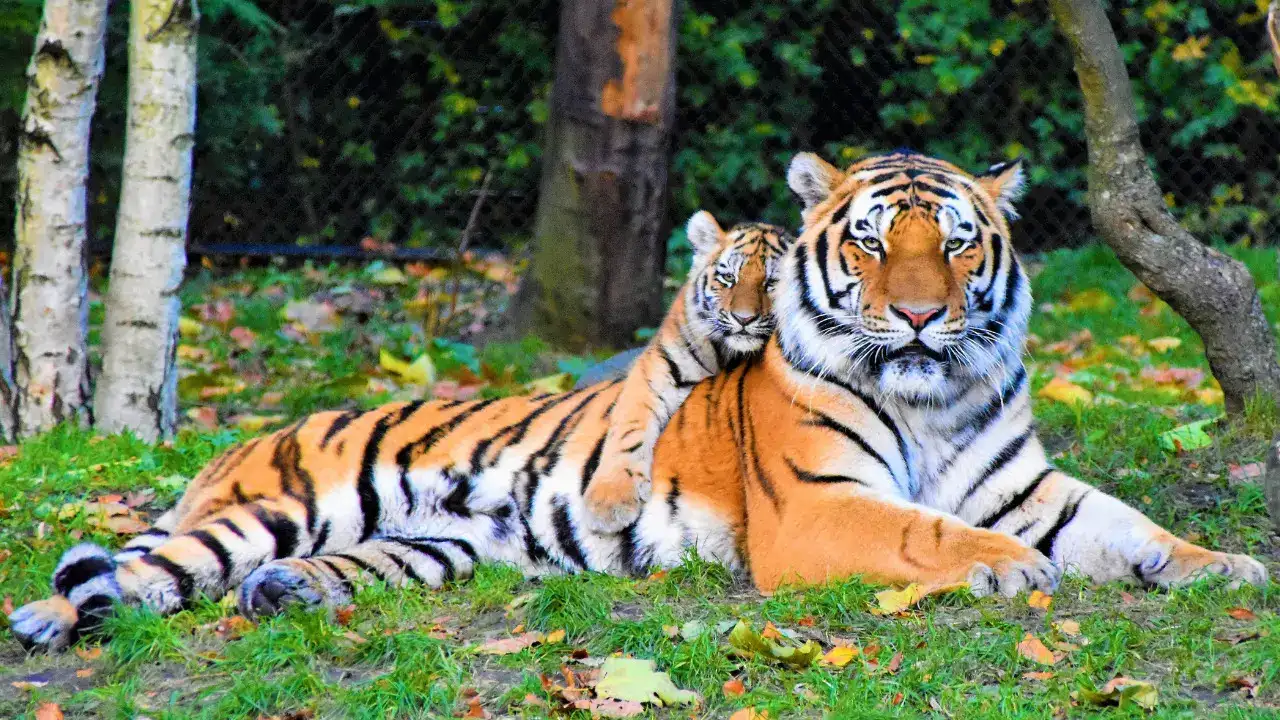
Tigers are intelligent, adaptable and highly skilled hunters. Every aspect of their body, from their stripes to their eyesight, plays a role in survival. Modern wildlife research continues to reveal fascinating details about their behaviour and lifestyle, showing that tigers are far more complex than most people realise.
From their ability to swim long distances to the uniqueness of their stripes, here are some remarkable facts about tigers that may genuinely surprise you.
Interestingly, the stripes are not only present on the fur but also on the skin beneath it. These patterns help tigers blend into tall grass and forest shadows while hunting. Their camouflage allows them to stalk prey quietly without being easily noticed.
This natural design is one reason tigers are considered such effective predators in dense jungle habitats.
Some tigers can swim several kilometres at a stretch. They may even hunt in water when necessary. Their strong limbs and muscular bodies help them move efficiently through rivers and marshy regions.
This swimming ability makes them different from many other big cats and allows them to survive in varied habitats.
Each tiger maintains a territory that it marks using scent and scratch marks on trees. Male territories may overlap with those of several females, but adult tigers usually avoid unnecessary interaction with one another.
Their solitary nature helps reduce competition for food and resources in the wild.
Their hearing is also highly sensitive, helping them detect movement from a distance. Combined with silent movement and patience, this makes tigers highly efficient hunters.
These natural abilities are essential for survival in forests where visibility may be limited.
Tigers use vocal sounds to communicate, establish territory and warn rivals. Apart from roaring, they also growl, chuff and hiss depending on the situation.
Their deep roar reflects the immense strength of their vocal cords and chest structure.
They use powerful hind legs to leap forward suddenly during attacks. This explosive strength allows them to overpower animals much larger than themselves.
However, tigers do not chase prey for very long because such intense movement consumes a large amount of energy.
Their white fur with dark stripes gives them a striking appearance, making them popular in zoos and wildlife parks. However, white tigers are extremely rare in the wild.
Most wild tigers have the familiar orange coat, which provides better camouflage in natural surroundings.
Male tigers usually control larger territories than females. Habitat destruction and shrinking forests have made it increasingly difficult for tigers to maintain these natural ranges.
Conservation efforts today focus heavily on protecting connected forest areas that allow tigers to move safely.
Without predators like tigers, ecosystems can become unbalanced, affecting forests and biodiversity. Protecting tiger habitats often helps conserve many other species living in the same environment.
This is why tiger conservation is considered important not just for one animal but for entire ecosystems.
Today, conservation programmes in several countries aim to protect these animals through wildlife reserves, anti-poaching measures and habitat restoration. Awareness campaigns have also increased public support for tiger protection.
Although challenges remain, conservation efforts have helped improve tiger populations in some regions over recent years.
Tigers continue to inspire awe because of their strength, intelligence and mysterious nature. Their unique behaviour, survival skills and role in the ecosystem make them one of the most remarkable animals in the wild. Learning more about these magnificent creatures not only increases appreciation for wildlife but also highlights the importance of protecting natural habitats for future generations.
Tigers are intelligent, adaptable and highly skilled hunters. Every aspect of their body, from their stripes to their eyesight, plays a role in survival. Modern wildlife research continues to reveal fascinating details about their behaviour and lifestyle, showing that tigers are far more complex than most people realise.
From their ability to swim long distances to the uniqueness of their stripes, here are some remarkable facts about tigers that may genuinely surprise you.
Every Tiger Has A Unique Stripe Pattern
Much like human fingerprints, no two tigers have identical stripe patterns. Their stripes are completely unique and can even help researchers identify individual tigers in the wild.Interestingly, the stripes are not only present on the fur but also on the skin beneath it. These patterns help tigers blend into tall grass and forest shadows while hunting. Their camouflage allows them to stalk prey quietly without being easily noticed.
This natural design is one reason tigers are considered such effective predators in dense jungle habitats.
Tigers Are Excellent Swimmers
Unlike many domestic cats that avoid water, tigers are extremely comfortable in it. In fact, they are powerful swimmers and often spend time in rivers, lakes and wetlands to cool themselves during hot weather.Some tigers can swim several kilometres at a stretch. They may even hunt in water when necessary. Their strong limbs and muscular bodies help them move efficiently through rivers and marshy regions.
This swimming ability makes them different from many other big cats and allows them to survive in varied habitats.
Tigers Prefer Solitude
One of the most interesting tiger behaviour traits is their preference for living alone. Tigers are generally solitary animals and spend much of their life hunting and moving independently.Each tiger maintains a territory that it marks using scent and scratch marks on trees. Male territories may overlap with those of several females, but adult tigers usually avoid unnecessary interaction with one another.
Their solitary nature helps reduce competition for food and resources in the wild.
Tigers Can See Well At Night
Tigers are mostly active during dawn, dusk and night-time hours. Their vision in low light is significantly better than that of humans, allowing them to hunt effectively after sunset.Their hearing is also highly sensitive, helping them detect movement from a distance. Combined with silent movement and patience, this makes tigers highly efficient hunters.
These natural abilities are essential for survival in forests where visibility may be limited.
A Tiger’s Roar Can Travel Long Distances
A tiger’s roar is one of the most powerful sounds in the animal kingdom. It can reportedly be heard from several kilometres away under the right conditions.Tigers use vocal sounds to communicate, establish territory and warn rivals. Apart from roaring, they also growl, chuff and hiss depending on the situation.
Their deep roar reflects the immense strength of their vocal cords and chest structure.
Tigers Are Surprisingly Fast
Although tigers are large and muscular animals, they can move at impressive speeds over short distances. A tiger may sprint rapidly while chasing prey, though it usually relies on stealth rather than long pursuits.They use powerful hind legs to leap forward suddenly during attacks. This explosive strength allows them to overpower animals much larger than themselves.
However, tigers do not chase prey for very long because such intense movement consumes a large amount of energy.
White Tigers Are Extremely Rare
White tigers are not a separate wild tiger species . They are a rare genetic variation of the Bengal tiger caused by a recessive gene.Their white fur with dark stripes gives them a striking appearance, making them popular in zoos and wildlife parks. However, white tigers are extremely rare in the wild.
Most wild tigers have the familiar orange coat, which provides better camouflage in natural surroundings.
You may also like
- How Neonatal Opioid Withdrawal Syndrome Is Treated and Managed
- LIC vs. Mutual Funds: Choose Security or Spectacular Returns? Find Out Which Option Is Right for You...
- SIP Calculation: When Will a ₹1,000 SIP Make You a Lakhpati—And How Long Must You Invest?
- Dubai Dining Awards 2026: Why Dubai's hospitality industry remains resilient despite challenges
- Want your child to speak with confidence? This 3-week masterclass could transform the way they communicate
Tigers Have Massive Territories
Tigers require large territories to survive because they need enough prey and water sources. Depending on habitat conditions, a single tiger’s territory may cover hundreds of square kilometres.Male tigers usually control larger territories than females. Habitat destruction and shrinking forests have made it increasingly difficult for tigers to maintain these natural ranges.
Conservation efforts today focus heavily on protecting connected forest areas that allow tigers to move safely.
They Play A Crucial Role In Nature
Tigers are apex predators, meaning they sit at the top of the food chain. They help maintain ecological balance by controlling populations of herbivores such as deer and wild boar.Without predators like tigers, ecosystems can become unbalanced, affecting forests and biodiversity. Protecting tiger habitats often helps conserve many other species living in the same environment.
This is why tiger conservation is considered important not just for one animal but for entire ecosystems.
Wild Tiger Numbers Once Declined Dramatically
Tigers once roamed across much of Asia, but hunting, habitat loss and illegal wildlife trade caused major declines in their population over the past century.Today, conservation programmes in several countries aim to protect these animals through wildlife reserves, anti-poaching measures and habitat restoration. Awareness campaigns have also increased public support for tiger protection.
Although challenges remain, conservation efforts have helped improve tiger populations in some regions over recent years.
Tigers continue to inspire awe because of their strength, intelligence and mysterious nature. Their unique behaviour, survival skills and role in the ecosystem make them one of the most remarkable animals in the wild. Learning more about these magnificent creatures not only increases appreciation for wildlife but also highlights the importance of protecting natural habitats for future generations.






More from our partners


Loving Newspoint? Download the app now
