
Are Mushrooms Veg or Non-Veg? The Science Behind This Food Mystery Revealed

For years, people have debated whether mushrooms are vegetarian or non-vegetarian. Their meaty texture and unique taste often make people think they belong to the non-veg category. However, science tells a different story.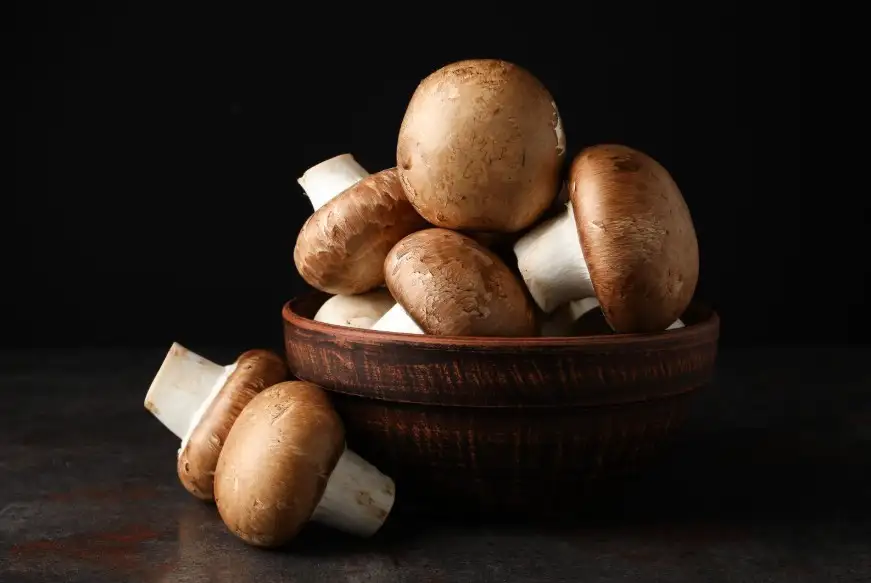
Mushrooms Are Neither Plants Nor Animals
Scientifically, mushrooms belong to the Fungi kingdom , a separate category of living organisms. They are not plants and not animals.
Unlike plants, mushrooms do not contain chlorophyll and cannot make their own food through photosynthesis. They survive by breaking down organic matter and absorbing nutrients from their surroundings.
They are also different from animals as they do not have a nervous system, organs, or the ability to move. This makes mushrooms a unique part of the Fungi kingdom.
Can Vegetarians Eat Mushrooms?
From a food perspective, mushrooms are widely considered vegetarian in many parts of the world, including India. Mushroom dishes are commonly available on vegetarian menus in restaurants and food outlets.
However, some people may avoid mushrooms due to personal, cultural, or religious beliefs. Whether to include them in the diet is ultimately an individual choice.
Nutrients Found in Mushrooms
Mushrooms are not just tasty but also rich in essential nutrients. They contain:
Health Benefits of Eating Mushrooms
Adding mushrooms to your meals may offer several health benefits. They are known to support immunity, provide antioxidants, and may help maintain heart health.
Their fibre content can support digestion and weight management, while certain compounds in mushrooms are being studied for their possible role in reducing inflammation and supporting overall health.
Some research is also exploring mushroom compounds linked to cancer prevention, but mushrooms should not be considered a replacement for medical treatment.
Are All Mushrooms Safe to Eat?
Not every mushroom found in nature is edible. Some wild varieties can be poisonous and may cause serious health issues if consumed.
It is always safer to eat mushrooms that are commercially grown and available through trusted markets.
Mushrooms are neither vegetables nor non-vegetarian foods. They belong to the separate Fungi kingdom. While they are generally considered vegetarian from a dietary perspective, eating them depends on personal preferences and beliefs.
Packed with nutrients and health benefits, mushrooms can be a valuable part of a balanced diet — but always choose safe, edible varieties.
Mushrooms Are Neither Plants Nor Animals
Scientifically, mushrooms belong to the Fungi kingdom , a separate category of living organisms. They are not plants and not animals. Unlike plants, mushrooms do not contain chlorophyll and cannot make their own food through photosynthesis. They survive by breaking down organic matter and absorbing nutrients from their surroundings.
They are also different from animals as they do not have a nervous system, organs, or the ability to move. This makes mushrooms a unique part of the Fungi kingdom.
Can Vegetarians Eat Mushrooms?
From a food perspective, mushrooms are widely considered vegetarian in many parts of the world, including India. Mushroom dishes are commonly available on vegetarian menus in restaurants and food outlets.You may also like
- Significance of Shravan Month: Eclipses and Worship of Lord Shiva
- Understanding Morning Headaches: Causes and Solutions
- Heart attack: Are you at risk for a heart attack? This test, which costs just ₹300, can save your life
- The Significance of Camphor and Cloves in Hindu Rituals
- Understanding the Ritual of Jalabhishek on Sawan Shivratri
However, some people may avoid mushrooms due to personal, cultural, or religious beliefs. Whether to include them in the diet is ultimately an individual choice.
Nutrients Found in Mushrooms
Mushrooms are not just tasty but also rich in essential nutrients. They contain: - Protein
- Dietary fibre
- B vitamins
- Selenium
- Potassium
- Copper
- Vitamin D (in some varieties)
Health Benefits of Eating Mushrooms
Adding mushrooms to your meals may offer several health benefits. They are known to support immunity, provide antioxidants, and may help maintain heart health. Their fibre content can support digestion and weight management, while certain compounds in mushrooms are being studied for their possible role in reducing inflammation and supporting overall health.
Some research is also exploring mushroom compounds linked to cancer prevention, but mushrooms should not be considered a replacement for medical treatment.
Are All Mushrooms Safe to Eat?
Not every mushroom found in nature is edible. Some wild varieties can be poisonous and may cause serious health issues if consumed. It is always safer to eat mushrooms that are commercially grown and available through trusted markets.
Mushrooms are neither vegetables nor non-vegetarian foods. They belong to the separate Fungi kingdom. While they are generally considered vegetarian from a dietary perspective, eating them depends on personal preferences and beliefs.
Packed with nutrients and health benefits, mushrooms can be a valuable part of a balanced diet — but always choose safe, edible varieties.






Loving Newspoint? Download the app now
