
Are Supplements Really Necessary? The Truth May Surprise You


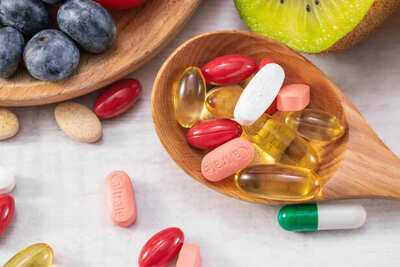
Every morning, millions of people swallow a multivitamin believing they have solved their nutrition problems for the day. It feels simple, convenient, and smart. But what if the real secret to better health isn't hiding inside a tablet at all? The truth is surprising. While supplements can help fill nutritional gaps, your body often benefits far more from real, nutrient-rich foods. The difference is not just about vitamins and minerals it's about how your body absorbs, uses, and benefits from them. Before you reach for another supplement bottle, there is something important you should know.
Multivitamins: Helpful but Not Always Harmless
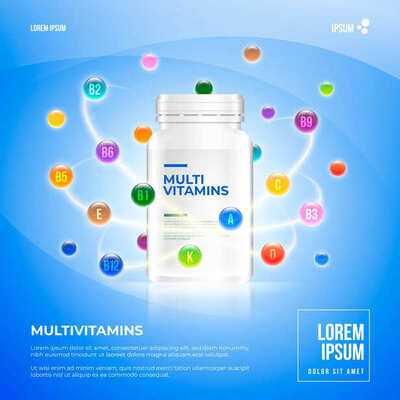
Multivitamins are among the most popular supplements worldwide. They help provide essential vitamins and minerals when the diet falls short. However, taking high doses for long periods can lead to nausea, headaches, stomach discomfort, and even vitamin toxicity. Excess vitamin A, for example, may affect liver health, while too much iron can cause digestive problems. Multivitamins work best when used to address genuine nutritional deficiencies rather than as a substitute for balanced meals rich in fruits, vegetables, and whole foods.
Zinc Supplements: Immunity Booster With Limits

Zinc is widely used to strengthen immunity and support wound healing. It plays a vital role in hundreds of body functions. However, excessive zinc intake can cause nausea, stomach cramps, diarrhea, and headaches. Long-term overuse may even interfere with copper absorption, leading to nutritional imbalances. Natural sources such as sesame seeds, chickpeas, and cashews can provide zinc along with other beneficial nutrients. Supplements should be taken according to recommended guidelines rather than consumed excessively in hopes of faster health benefits.
Vitamin D: The Sunshine NutrientVitamin D helps the body absorb calcium and maintain strong bones. Many people require supplementation due to limited sun exposure. While deficiency can cause serious health concerns, excessive supplementation can increase calcium levels in the blood. This may lead to kidney stones, nausea, weakness, and confusion. Because vitamin D is fat-soluble, it can accumulate in the body over time. Blood testing and professional guidance are often recommended before taking high-dose vitamin D supplements regularly.
Fish Oil: Heart-Friendly but Not Risk-FreeFish oil supplements are popular for supporting heart and brain health. They contain omega-3 fatty acids known for their anti-inflammatory properties. However, some people experience digestive discomfort, fishy aftertaste, bad breath, or nausea after taking them. High doses may also increase bleeding risk in certain individuals, especially those using blood-thinning medications. Including fatty fish such as salmon or sardines in the diet may provide similar benefits naturally while also delivering additional nutrients not found in isolated supplements.
Protein Powders: Fitness Favorite With Hidden RisksProtein supplements are commonly used by athletes and fitness enthusiasts. They help support muscle recovery and growth after exercise. However, excessive protein intake may lead to digestive issues such as bloating, gas, and stomach discomfort. Some protein powders also contain added sugars, artificial flavors, or contaminants depending on quality. Whole-food protein sources like eggs, yogurt, lentils, and lean meats often provide a more complete nutritional profile. Choosing reputable brands and moderate consumption is essential for safe use.
Iron Supplements: Powerful but Easy to OveruseIron is essential for oxygen transport and energy production. It is commonly prescribed for anemia and low iron levels. However, taking iron without deficiency can cause constipation, stomach pain, nausea, and digestive distress. Excess iron may even damage organs over time. Since iron levels vary greatly among individuals, supplementation should ideally follow medical advice and testing. Foods such as spinach, legumes, and lean meats can often help maintain healthy iron levels naturally when included regularly in meals.
Probiotics: Good Bacteria With Mixed ReactionsProbiotics are beneficial bacteria that support digestive health and gut balance. Many people use them to improve digestion, immunity, and overall wellness. While generally considered safe, some individuals experience bloating, gas, or digestive discomfort when starting probiotics. Different strains work differently, and not every probiotic is suitable for every person. Fermented foods such as yogurt and kefir naturally contain beneficial bacteria and may offer a gentler way to support gut health alongside a balanced diet.
Discover expert advice and the latest updates in Skin Care, Hair Care, Wellness, Dermatology, and more at Stay Young guide to lasting beauty and holistic health!
Multivitamins: Helpful but Not Always Harmless
Multivitamins can fill nutritional gaps but should not replace healthy eating.
Multivitamins are among the most popular supplements worldwide. They help provide essential vitamins and minerals when the diet falls short. However, taking high doses for long periods can lead to nausea, headaches, stomach discomfort, and even vitamin toxicity. Excess vitamin A, for example, may affect liver health, while too much iron can cause digestive problems. Multivitamins work best when used to address genuine nutritional deficiencies rather than as a substitute for balanced meals rich in fruits, vegetables, and whole foods.
Zinc Supplements: Immunity Booster With Limits
Zinc supports immunity but excessive intake can cause health issues.
Zinc is widely used to strengthen immunity and support wound healing. It plays a vital role in hundreds of body functions. However, excessive zinc intake can cause nausea, stomach cramps, diarrhea, and headaches. Long-term overuse may even interfere with copper absorption, leading to nutritional imbalances. Natural sources such as sesame seeds, chickpeas, and cashews can provide zinc along with other beneficial nutrients. Supplements should be taken according to recommended guidelines rather than consumed excessively in hopes of faster health benefits.
Vitamin D: The Sunshine NutrientVitamin D helps the body absorb calcium and maintain strong bones. Many people require supplementation due to limited sun exposure. While deficiency can cause serious health concerns, excessive supplementation can increase calcium levels in the blood. This may lead to kidney stones, nausea, weakness, and confusion. Because vitamin D is fat-soluble, it can accumulate in the body over time. Blood testing and professional guidance are often recommended before taking high-dose vitamin D supplements regularly.
Fish Oil: Heart-Friendly but Not Risk-FreeFish oil supplements are popular for supporting heart and brain health. They contain omega-3 fatty acids known for their anti-inflammatory properties. However, some people experience digestive discomfort, fishy aftertaste, bad breath, or nausea after taking them. High doses may also increase bleeding risk in certain individuals, especially those using blood-thinning medications. Including fatty fish such as salmon or sardines in the diet may provide similar benefits naturally while also delivering additional nutrients not found in isolated supplements.
Protein Powders: Fitness Favorite With Hidden RisksProtein supplements are commonly used by athletes and fitness enthusiasts. They help support muscle recovery and growth after exercise. However, excessive protein intake may lead to digestive issues such as bloating, gas, and stomach discomfort. Some protein powders also contain added sugars, artificial flavors, or contaminants depending on quality. Whole-food protein sources like eggs, yogurt, lentils, and lean meats often provide a more complete nutritional profile. Choosing reputable brands and moderate consumption is essential for safe use.
Iron Supplements: Powerful but Easy to OveruseIron is essential for oxygen transport and energy production. It is commonly prescribed for anemia and low iron levels. However, taking iron without deficiency can cause constipation, stomach pain, nausea, and digestive distress. Excess iron may even damage organs over time. Since iron levels vary greatly among individuals, supplementation should ideally follow medical advice and testing. Foods such as spinach, legumes, and lean meats can often help maintain healthy iron levels naturally when included regularly in meals.
Probiotics: Good Bacteria With Mixed ReactionsProbiotics are beneficial bacteria that support digestive health and gut balance. Many people use them to improve digestion, immunity, and overall wellness. While generally considered safe, some individuals experience bloating, gas, or digestive discomfort when starting probiotics. Different strains work differently, and not every probiotic is suitable for every person. Fermented foods such as yogurt and kefir naturally contain beneficial bacteria and may offer a gentler way to support gut health alongside a balanced diet.
Discover expert advice and the latest updates in Skin Care, Hair Care, Wellness, Dermatology, and more at Stay Young guide to lasting beauty and holistic health!
Next Story