
Are Your Contact Lenses Quietly Damaging Your Eyes? Experts Sound the Alarm


If you wear contact lenses, chances are you've broken the rules at least once. Maybe you've fallen asleep with them in after a long day. Maybe you've stretched a monthly lens for a few extra weeks. Or maybe you've convinced yourself that skipping proper cleaning "just this once" wouldn't hurt. After all, if your eyes feel fine, what's the big deal? That's exactly why eye experts are concerned. Many contact lens problems don't start with pain or obvious symptoms. They develop quietly, often going unnoticed until irritation, infection, or discomfort suddenly appears. And some of the habits people consider harmless may be riskier than they realize.

The Habit That Feels Completely Harmless
For many people, contact lenses become so routine that they stop feeling like a medical device. You wake up, put them in, and forget about them. That's part of what makes them so convenient. But it's also what makes them easy to take for granted. Over time, small shortcuts can become everyday habits. Maybe you wear them longer than recommended because they're still comfortable. Maybe you skip replacing the lens case as often as you should. Maybe you tell yourself you'll clean them properly later.
None of these decisions feel dangerous in the moment. The problem is that eye health isn't always immediate. Sometimes the effects of repeated habits build slowly, making it easy to overlook risks until your eyes begin sending warning signals.
Why Eye Doctors Keep Repeating the Same Advice

Have you ever wondered why eye specialists constantly talk about lens hygiene? It's because many of the problems they see are preventable. Our hands touch phones, keyboards, door handles, money, and countless other surfaces every day. When lenses are handled without proper handwashing, bacteria can easily make their way to the eye.
The scary part is that most people don't expect anything bad to happen because they've done it before without consequences. But eye experts often compare it to wearing a seatbelt. Most days you don't need it. The one day you do, it matters. Good lens hygiene may seem boring, but it's one of the simplest ways to protect your vision for the long run.
The Nighttime Mistake Millions Make
Picture this. You've had an exhausting day. You get home, collapse into bed, and fall asleep before removing your contact lenses. It happens. In fact, many contact lens wearers admit they've done it more than once. The problem is that sleeping in lenses reduces oxygen flow to the surface of the eye. That can make the eye more vulnerable to irritation and increase the risk of complications.
Many people wake up thinking, "My eyes feel fine." But experts say the issue isn't always about what happens after one night. It's about what repeated overnight wear can do over time. A few seconds spent removing lenses before bed could save a lot of trouble later.
When Dry Eyes Are Trying to Tell You Something
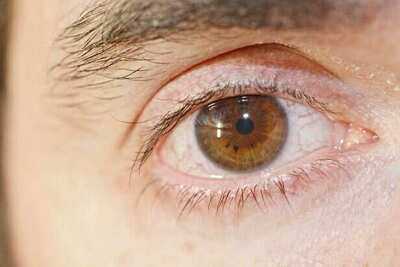
Many contact lens users have experienced it. Your eyes start feeling tired by the afternoon. They feel scratchy, dry, or slightly irritated. Maybe you blink more often or reach for eye drops throughout the day. Most people brush it off. But persistent dryness isn't always something to ignore.
Hours spent staring at phones, laptops, and tablets can reduce blinking, making dryness even worse. Add contact lenses into the mix, and the discomfort can become a daily struggle. Eye specialists often say that discomfort is information. Your eyes may be telling you that something needs to change, whether it's your lens type, wearing schedule, screen habits, or overall eye care routine.
The Surprising Danger Hiding in Water
Here's something many contact lens users learn far too late. Water and contact lenses aren't a good combination. That includes swimming pools, hot tubs, lakes, oceans, and even the shower. Because water feels clean, many people assume it's harmless. But it can contain microorganisms that may become trapped beneath contact lenses. Most of the time, nothing happens.
But experts warn that when problems do occur, they can be serious. That's why many eye specialists recommend removing lenses before swimming or using proper protective eyewear if water exposure is unavoidable. It's one of those precautions that seems excessive until you understand why it exists.
Your Eyes Usually Whisper Before They Scream
One of the biggest myths about eye problems is that they appear suddenly. In reality, your eyes often give subtle warnings first. Maybe it's redness that doesn't go away. Maybe your vision seems slightly blurry. Maybe bright lights suddenly feel uncomfortable. The challenge is that people often ignore these signals because life gets busy. They assume the symptoms will disappear tomorrow
Sometimes they do. Sometimes they don't. Eye experts encourage people to pay attention to even small changes because early action is often the difference between a minor issue and a major one. Your eyes are remarkably good at communicating when something isn't right—if you're willing to listen.
The Real Goal Isn't Fear
Reading about eye risks can sound alarming, but experts aren't trying to scare contact lens users. They're trying to protect them. The reality is that millions of people wear contact lenses safely every single day. Most never experience serious problems. The difference often comes down to consistency.
The Habit That Feels Completely Harmless
For many people, contact lenses become so routine that they stop feeling like a medical device. You wake up, put them in, and forget about them. That's part of what makes them so convenient. But it's also what makes them easy to take for granted. Over time, small shortcuts can become everyday habits. Maybe you wear them longer than recommended because they're still comfortable. Maybe you skip replacing the lens case as often as you should. Maybe you tell yourself you'll clean them properly later.
None of these decisions feel dangerous in the moment. The problem is that eye health isn't always immediate. Sometimes the effects of repeated habits build slowly, making it easy to overlook risks until your eyes begin sending warning signals.
Why Eye Doctors Keep Repeating the Same Advice
Eye doctor checking patient
Have you ever wondered why eye specialists constantly talk about lens hygiene? It's because many of the problems they see are preventable. Our hands touch phones, keyboards, door handles, money, and countless other surfaces every day. When lenses are handled without proper handwashing, bacteria can easily make their way to the eye.
The scary part is that most people don't expect anything bad to happen because they've done it before without consequences. But eye experts often compare it to wearing a seatbelt. Most days you don't need it. The one day you do, it matters. Good lens hygiene may seem boring, but it's one of the simplest ways to protect your vision for the long run.
The Nighttime Mistake Millions Make
Many people wake up thinking, "My eyes feel fine." But experts say the issue isn't always about what happens after one night. It's about what repeated overnight wear can do over time. A few seconds spent removing lenses before bed could save a lot of trouble later.
When Dry Eyes Are Trying to Tell You Something
lenses can cause irritation in eyes
Many contact lens users have experienced it. Your eyes start feeling tired by the afternoon. They feel scratchy, dry, or slightly irritated. Maybe you blink more often or reach for eye drops throughout the day. Most people brush it off. But persistent dryness isn't always something to ignore.
Hours spent staring at phones, laptops, and tablets can reduce blinking, making dryness even worse. Add contact lenses into the mix, and the discomfort can become a daily struggle. Eye specialists often say that discomfort is information. Your eyes may be telling you that something needs to change, whether it's your lens type, wearing schedule, screen habits, or overall eye care routine.
The Surprising Danger Hiding in Water
Here's something many contact lens users learn far too late. Water and contact lenses aren't a good combination. That includes swimming pools, hot tubs, lakes, oceans, and even the shower. Because water feels clean, many people assume it's harmless. But it can contain microorganisms that may become trapped beneath contact lenses. Most of the time, nothing happens.
But experts warn that when problems do occur, they can be serious. That's why many eye specialists recommend removing lenses before swimming or using proper protective eyewear if water exposure is unavoidable. It's one of those precautions that seems excessive until you understand why it exists.
Your Eyes Usually Whisper Before They Scream
One of the biggest myths about eye problems is that they appear suddenly. In reality, your eyes often give subtle warnings first. Maybe it's redness that doesn't go away. Maybe your vision seems slightly blurry. Maybe bright lights suddenly feel uncomfortable. The challenge is that people often ignore these signals because life gets busy. They assume the symptoms will disappear tomorrow
Sometimes they do. Sometimes they don't. Eye experts encourage people to pay attention to even small changes because early action is often the difference between a minor issue and a major one. Your eyes are remarkably good at communicating when something isn't right—if you're willing to listen.
The Real Goal Isn't Fear
Reading about eye risks can sound alarming, but experts aren't trying to scare contact lens users. They're trying to protect them. The reality is that millions of people wear contact lenses safely every single day. Most never experience serious problems. The difference often comes down to consistency.
Next Story