
The Art of Doing Less: Why Indians Are Choosing Slow Mountain Getaways in Uttarakhand

The traditional Indian vacation has historically operated under a philosophy of high-energy accumulation. For decades, traveling to a hill station meant conquering a rigorous checklist of viewpoints, navigating overcrowded commercial avenues, and rushing from one tourist landmark to another before the weekend concluded. This fast-paced approach to leisure frequently left travelers returning to their corporate routines feeling physically exhausted and mentally drained. In response to this generational fatigue, a distinct lifestyle philosophy centered around the art of doing less is quietly reshaping the domestic travel landscape, drawing weary city residents toward the untouched spaces of Uttarakhand.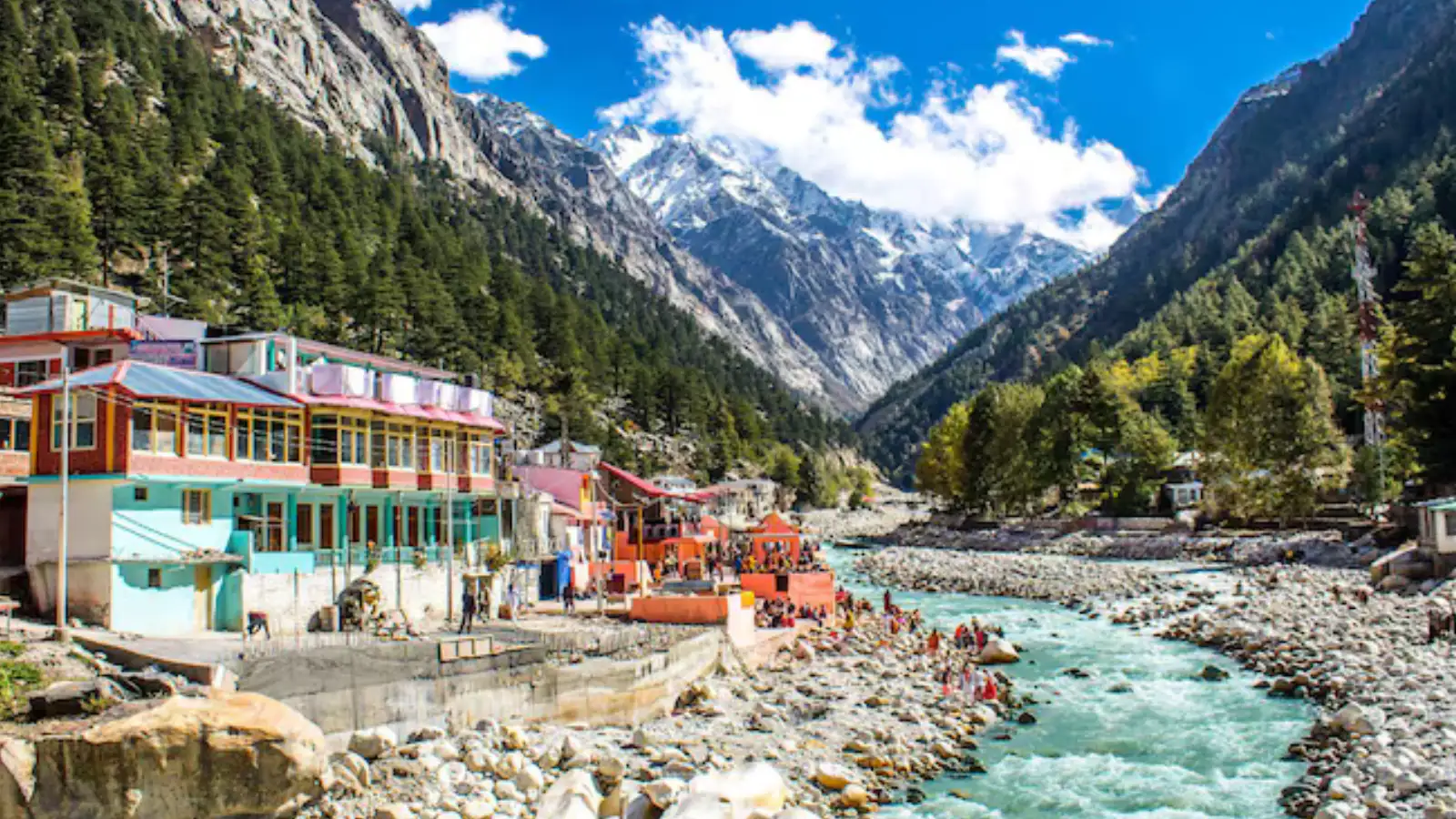
The Appeal of Geography Without Noise
The shift toward slow weekend travel is steering individuals away from hyper-commercialized hill stations that mirror the noise and traffic of the cities they left behind. Instead, travelers are intentionally seeking out secluded villages and boutique homestays nestled deep within the Kumaon and Garhwal regions. In these quieter destinations, the primary aesthetic attraction is not a specific monument or an amusement park; it is the undisturbed natural environment itself. The sensory landscape transitions from urban concrete to the sight of native pine forests and the expansive view of snow-covered Himalayan peaks, establishing an immediate atmosphere of peace.
Shedding the Strict Itinerary
At the heart of this mountain travel movement is the complete abandonment of the structured holiday timetable. Visitors are choosing to start their mornings without the intrusive interruption of an alarm clock, allowing their bodies to sync naturally with the mountain sun. Days are no longer partitioned into specific hours for shopping, dining, and transit. A successful afternoon is measured not by how many destinations were checked off, but by the hours spent reading on a wooden veranda, listening to the wind through deodar trees, or simply watching the changing light across the valleys.
Reclaiming Authentic Local Rhythms
This unhurried pacing alters how travelers interact with the communities they visit. Slow tourism encourages people to step away from predictable, mass-produced resort menus and engage directly with the culinary traditions of the hills. Meals become deliberate, educational experiences featuring seasonal ingredients like regional lentils, locally sourced wild berries, and traditional preparations seasoned with local herbs. Dining ceases to be a brief, transactional stop between activities; it becomes a multi-hour sensory experience that fosters genuine appreciation for the agricultural heritage of the mountains.
The Disconnection From Digital Pressure
Furthermore, the minimalist approach to travel functions as an essential antidote to the continuous digital stimulation of modern city life. Many boutique retreats in these secluded regions intentionally minimize the presence of televisions and high-speed internet in common spaces, gently nudging guests toward a temporary digital detox. Deprived of the urge to continuously scroll through work emails or post updates on social platforms, visitors find their attention spans expanding. They rediscover the simple pleasure of an aimless evening walk along a village trail, engaging in conversations that flow without professional urgency.
A Necessary Shield for Mental Well-being
The growing fascination with slow mountain weekends reveals a collective societal desire to reclaim autonomy over personal time. Mental health professionals note that immersing oneself in a silent, slow-paced natural setting is highly effective for reducing chronic cortisol levels and soothing overworked nervous systems. By choosing to do less over a two-day break, travelers give their minds the necessary space to process accumulated corporate stress. This intentional pause proves that true luxury is not defined by material excess, but by the quiet freedom to slow down and exist completely in the present moment.
The Appeal of Geography Without Noise
The shift toward slow weekend travel is steering individuals away from hyper-commercialized hill stations that mirror the noise and traffic of the cities they left behind. Instead, travelers are intentionally seeking out secluded villages and boutique homestays nestled deep within the Kumaon and Garhwal regions. In these quieter destinations, the primary aesthetic attraction is not a specific monument or an amusement park; it is the undisturbed natural environment itself. The sensory landscape transitions from urban concrete to the sight of native pine forests and the expansive view of snow-covered Himalayan peaks, establishing an immediate atmosphere of peace.
Shedding the Strict Itinerary
At the heart of this mountain travel movement is the complete abandonment of the structured holiday timetable. Visitors are choosing to start their mornings without the intrusive interruption of an alarm clock, allowing their bodies to sync naturally with the mountain sun. Days are no longer partitioned into specific hours for shopping, dining, and transit. A successful afternoon is measured not by how many destinations were checked off, but by the hours spent reading on a wooden veranda, listening to the wind through deodar trees, or simply watching the changing light across the valleys.
Reclaiming Authentic Local Rhythms
This unhurried pacing alters how travelers interact with the communities they visit. Slow tourism encourages people to step away from predictable, mass-produced resort menus and engage directly with the culinary traditions of the hills. Meals become deliberate, educational experiences featuring seasonal ingredients like regional lentils, locally sourced wild berries, and traditional preparations seasoned with local herbs. Dining ceases to be a brief, transactional stop between activities; it becomes a multi-hour sensory experience that fosters genuine appreciation for the agricultural heritage of the mountains.
The Disconnection From Digital Pressure
Furthermore, the minimalist approach to travel functions as an essential antidote to the continuous digital stimulation of modern city life. Many boutique retreats in these secluded regions intentionally minimize the presence of televisions and high-speed internet in common spaces, gently nudging guests toward a temporary digital detox. Deprived of the urge to continuously scroll through work emails or post updates on social platforms, visitors find their attention spans expanding. They rediscover the simple pleasure of an aimless evening walk along a village trail, engaging in conversations that flow without professional urgency.
A Necessary Shield for Mental Well-being
The growing fascination with slow mountain weekends reveals a collective societal desire to reclaim autonomy over personal time. Mental health professionals note that immersing oneself in a silent, slow-paced natural setting is highly effective for reducing chronic cortisol levels and soothing overworked nervous systems. By choosing to do less over a two-day break, travelers give their minds the necessary space to process accumulated corporate stress. This intentional pause proves that true luxury is not defined by material excess, but by the quiet freedom to slow down and exist completely in the present moment.
Next Story