
At Lake Mansarovar, the soul dissolves into Divinity, experiences Shivoham


At the shores of Lake Manasarovar, words begin to fail. Language feels too small for a place so infinite. It was exactly 8.36 pm when I looked in disbelief — the sun was still shining brilliantly across the sacred waters , as though it simply refused to leave. It felt as if the sun itself was reluctant to surrender the sky to the moon, unwilling to depart from the presence of something so divine.
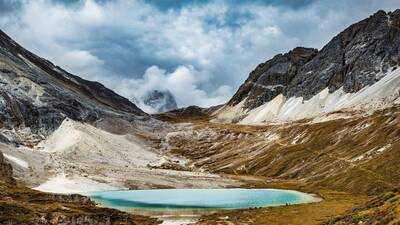
The clouds floated unusually close to the shores, almost touching the lake with tenderness. The sky appeared to descend into the waters, dissolving into an endless mirror of blue and silver. Nothing there felt separate — not the mountains, not the wind, not the lake, not even the self.
Rabbits ran freely across the terrain, looking at pilgrims with innocent curiosity, as though humans were the unfamiliar visitors in a world that truly belonged to nature and the gods. Foxes wandered silently. Yaks stood with ancient calm. Sea birds flocked together near the shore, unwilling to leave even for a few moments, as though every living being wished to remain close to the lake's sacred vibrations.
Even the pebbles seemed blessed merely by existing beside something so holy. The mighty mountains surrounding Mansarovar did not appear lifeless; they stood like sages in deep meditation — tall, silent, and reverential — offering prayers to Mahadev with their entire existence. Hundreds of prayer flags fluttered continuously in the wind, carrying countless whispered hopes and unanswered prayers into the vastness of the Himalayas .
Meditating there felt unlike any meditation I had ever known. It felt calm. Anchored.
Rooted. Welcomed. There was no effort to silence the mind because the silence already existed outside and within. The breath slowed naturally. Time itself softened. After a while, I opened my eyes and simply kept gazing at the sparkling lake, the luminous mountains, and the impossible beauty surrounding me.
The mind becomes silent there, and in that silence something timeless awakens within. One begins to understand why even the greatest sages struggled to describe Shiva . The spirit of the Shiva Mahimna Stotra begins to echo within consciousness:
You are the Sun, the Moon, the Wind, the Fire,
the Water, the Sky, the Earth, and the Self itself.
People describe you through these limited forms,
Yet in truth, O Shiva, we do not know what You are not.
At Mansarovar, this verse ceases to be poetry. It becomes experience. The water feels like Shiva. The sky feels like Shiva. The silence too is Shiva.
And somewhere within, even your tears feel like Shiva.
Perhaps that is why pilgrims return transformed: for one fleeting moment, they felt the Infinite touching them from within. What makes Mansarovar so divine is not only its breathtaking beauty, but its spiritual presence carried across civilisations and centuries. Ancient traditions hold that many great rivers that emerge from the Himalayas are spiritually connected to this sacred region, nourishing lands across India and Tibet. The lake has been revered in Hindu, Buddhist, Jain, and Bon traditions alike, becoming a timeless bridge of culture, faith, and devotion between India and Tibet since ancient times.
Sacred texts also describe Mansarovar as the beloved abode of swans — symbols of purity, wisdom, and spiritual discrimination. Even today, watching birds glide gracefully upon those waters feels symbolic, as though nature itself is meditating there.
Mansarovar is regarded as one of the highest freshwater lakes in the world, resting silently amidst the grandeur of the Himalayas like a celestial eye upon the earth. Nearby sacred spaces such as Gauri Kund deepen the spiritual aura of the entire region, each carrying legends of Shiva and Parvati that have been whispered through generations.
The clouds floated unusually close to the shores, almost touching the lake with tenderness. The sky appeared to descend into the waters, dissolving into an endless mirror of blue and silver. Nothing there felt separate — not the mountains, not the wind, not the lake, not even the self.
Rabbits ran freely across the terrain, looking at pilgrims with innocent curiosity, as though humans were the unfamiliar visitors in a world that truly belonged to nature and the gods. Foxes wandered silently. Yaks stood with ancient calm. Sea birds flocked together near the shore, unwilling to leave even for a few moments, as though every living being wished to remain close to the lake's sacred vibrations.
Even the pebbles seemed blessed merely by existing beside something so holy. The mighty mountains surrounding Mansarovar did not appear lifeless; they stood like sages in deep meditation — tall, silent, and reverential — offering prayers to Mahadev with their entire existence. Hundreds of prayer flags fluttered continuously in the wind, carrying countless whispered hopes and unanswered prayers into the vastness of the Himalayas .
Meditating there felt unlike any meditation I had ever known. It felt calm. Anchored.
Rooted. Welcomed. There was no effort to silence the mind because the silence already existed outside and within. The breath slowed naturally. Time itself softened. After a while, I opened my eyes and simply kept gazing at the sparkling lake, the luminous mountains, and the impossible beauty surrounding me.
The mind becomes silent there, and in that silence something timeless awakens within. One begins to understand why even the greatest sages struggled to describe Shiva . The spirit of the Shiva Mahimna Stotra begins to echo within consciousness:
You are the Sun, the Moon, the Wind, the Fire,
the Water, the Sky, the Earth, and the Self itself.
People describe you through these limited forms,
At Mansarovar, this verse ceases to be poetry. It becomes experience. The water feels like Shiva. The sky feels like Shiva. The silence too is Shiva.
And somewhere within, even your tears feel like Shiva.
Perhaps that is why pilgrims return transformed: for one fleeting moment, they felt the Infinite touching them from within. What makes Mansarovar so divine is not only its breathtaking beauty, but its spiritual presence carried across civilisations and centuries. Ancient traditions hold that many great rivers that emerge from the Himalayas are spiritually connected to this sacred region, nourishing lands across India and Tibet. The lake has been revered in Hindu, Buddhist, Jain, and Bon traditions alike, becoming a timeless bridge of culture, faith, and devotion between India and Tibet since ancient times.
Sacred texts also describe Mansarovar as the beloved abode of swans — symbols of purity, wisdom, and spiritual discrimination. Even today, watching birds glide gracefully upon those waters feels symbolic, as though nature itself is meditating there.
Mansarovar is regarded as one of the highest freshwater lakes in the world, resting silently amidst the grandeur of the Himalayas like a celestial eye upon the earth. Nearby sacred spaces such as Gauri Kund deepen the spiritual aura of the entire region, each carrying legends of Shiva and Parvati that have been whispered through generations.
Next Story