
5 Things Not to Do in Your Balcony Garden During Monsoon

The monsoon season can feel like a blessing for balcony gardens. Cooler temperatures and frequent showers help plants stay hydrated and fresh. But too much rain can create hidden challenges. Excess moisture, poor airflow, and rising humidity can encourage diseases, attract pests, and weaken plant roots.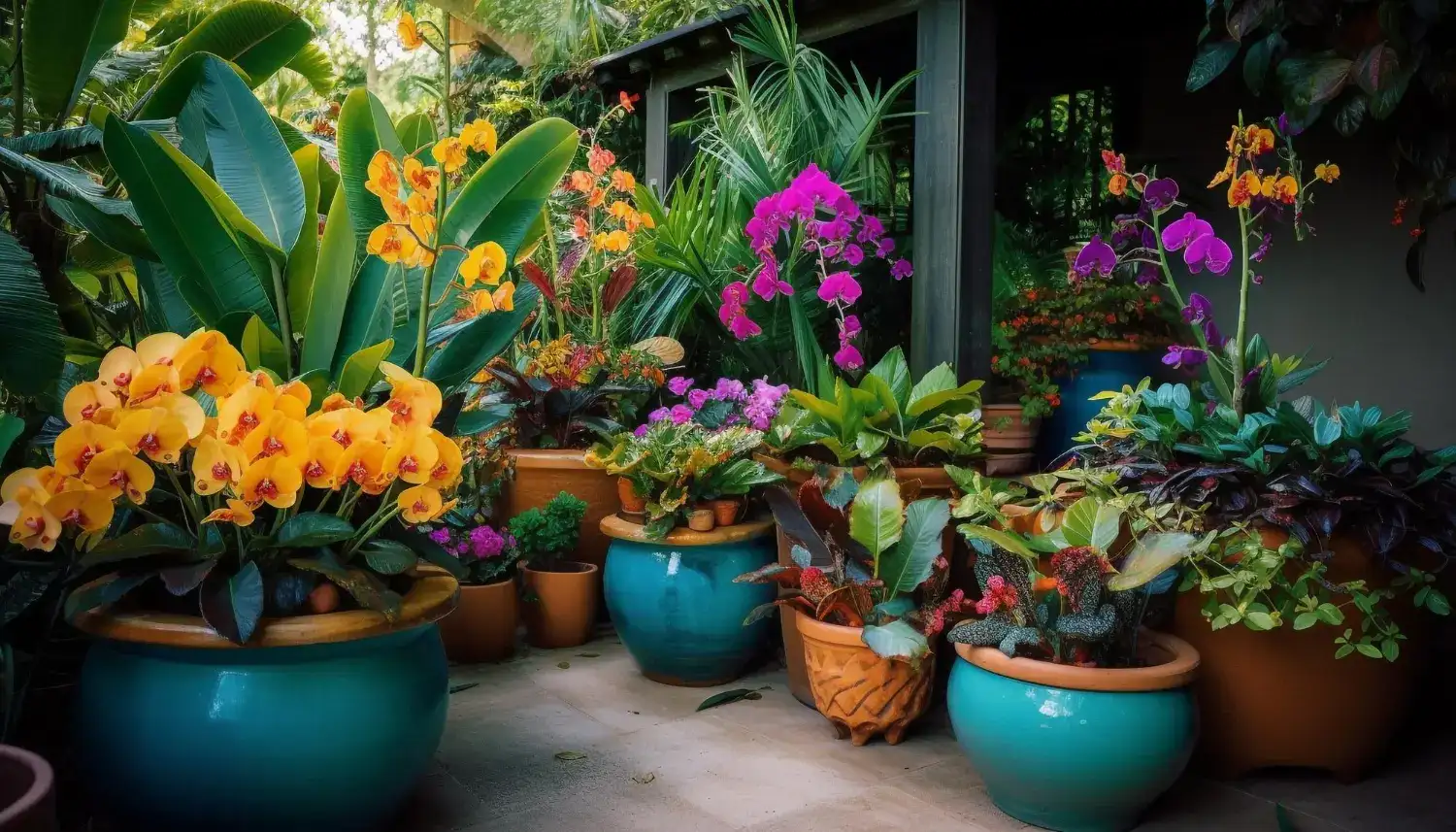
To keep your balcony garden thriving through the rains, avoid these five common mistakes that many gardeners unknowingly make.
1. Watering Plants Too Often
One of the biggest monsoon gardening mistakes is sticking to the same watering routine used during summer. Since rain already provides plenty of moisture, additional watering can leave the soil waterlogged.
When roots sit in overly wet soil, they struggle to get oxygen, increasing the risk of root rot. Before watering, always check the soil's moisture level. During rainy weeks, many plants may need little to no extra watering.
2. Ignoring Drainage Issues
Good drainage becomes even more important during the rainy season. If water collects in pots and containers, roots can quickly become damaged.
Check that drainage holes are not blocked by soil or debris. Elevating pots slightly can also help excess water escape more efficiently. Well-drained containers keep roots healthy and prevent the soggy conditions that often lead to plant decline.
3. Packing Plants Too Close Together
A lush balcony garden may look beautiful, but overcrowding plants can create problems during the monsoon. When plants are squeezed into a small space, air circulation is reduced and moisture lingers longer on leaves.
These damp conditions provide the perfect environment for fungal diseases to spread. Leaving enough space between plants allows better airflow and helps foliage dry faster after rain.
4. Overlooking Pests and Plant Diseases
Rainy weather creates ideal conditions for pests and harmful organisms. Snails, slugs, aphids, and fungal infections often become more active during periods of high humidity.
Regularly inspect leaves, stems, and soil for signs of trouble. Yellowing leaves, holes, sticky residue, or unusual spots can indicate a problem. Early detection makes it much easier to protect plants before the damage becomes severe.
5. Leaving Sensitive Plants Exposed to Heavy Rain
Not all plants enjoy continuous rainfall. Succulents, cacti, and other drought-loving varieties are especially vulnerable to excess moisture.
Prolonged exposure to rain can cause stems and roots to rot, weakening or even killing the plant. Move sensitive plants to a covered area or provide temporary shelter during heavy downpours to keep them safe.
Keep Your Balcony Garden Rain-Ready
Monsoon gardening is less about doing more and more about avoiding common mistakes. By reducing unnecessary watering, improving drainage, giving plants enough breathing space, monitoring for pests, and protecting sensitive varieties, you can help your balcony garden stay healthy and vibrant throughout the rainy season. A little extra attention during the rains can make all the difference.
To keep your balcony garden thriving through the rains, avoid these five common mistakes that many gardeners unknowingly make.
1. Watering Plants Too Often
One of the biggest monsoon gardening mistakes is sticking to the same watering routine used during summer. Since rain already provides plenty of moisture, additional watering can leave the soil waterlogged.When roots sit in overly wet soil, they struggle to get oxygen, increasing the risk of root rot. Before watering, always check the soil's moisture level. During rainy weeks, many plants may need little to no extra watering.
2. Ignoring Drainage Issues
Good drainage becomes even more important during the rainy season. If water collects in pots and containers, roots can quickly become damaged.You may also like
- Smriti Mandhana's home is the right balance of sophistication and warmth with a tinge of nostalgia: Art inspirations to take away
- Rising Health Challenges for Women in India: A Closer Look
- Essential Eye Care Tips for Summer Heat
- Exploring the Health Benefits of Curry Leaves
- Essential Tips for Safe Hill Travel During Monsoon Season
Check that drainage holes are not blocked by soil or debris. Elevating pots slightly can also help excess water escape more efficiently. Well-drained containers keep roots healthy and prevent the soggy conditions that often lead to plant decline.
3. Packing Plants Too Close Together
A lush balcony garden may look beautiful, but overcrowding plants can create problems during the monsoon. When plants are squeezed into a small space, air circulation is reduced and moisture lingers longer on leaves. These damp conditions provide the perfect environment for fungal diseases to spread. Leaving enough space between plants allows better airflow and helps foliage dry faster after rain.
4. Overlooking Pests and Plant Diseases
Rainy weather creates ideal conditions for pests and harmful organisms. Snails, slugs, aphids, and fungal infections often become more active during periods of high humidity.Regularly inspect leaves, stems, and soil for signs of trouble. Yellowing leaves, holes, sticky residue, or unusual spots can indicate a problem. Early detection makes it much easier to protect plants before the damage becomes severe.
5. Leaving Sensitive Plants Exposed to Heavy Rain
Not all plants enjoy continuous rainfall. Succulents, cacti, and other drought-loving varieties are especially vulnerable to excess moisture. Prolonged exposure to rain can cause stems and roots to rot, weakening or even killing the plant. Move sensitive plants to a covered area or provide temporary shelter during heavy downpours to keep them safe.
Keep Your Balcony Garden Rain-Ready
Monsoon gardening is less about doing more and more about avoiding common mistakes. By reducing unnecessary watering, improving drainage, giving plants enough breathing space, monitoring for pests, and protecting sensitive varieties, you can help your balcony garden stay healthy and vibrant throughout the rainy season. A little extra attention during the rains can make all the difference. 





More from our partners


Loving Newspoint? Download the app now
