
Banana Before a Workout: What Happens to Your Body When You Eat One?

Eating a banana before a workout can be a simple way to fuel your body before exercise. A banana before a workout provides carbohydrates for energy, potassium to support normal muscle function and vitamin B6 to help the body use stored energy. Whether you are heading to the gym, going for a run or doing strength training, this readily available fruit can be a convenient pre-workout snack. But does it really improve exercise performance, and when should you eat one? Here is what you need to know.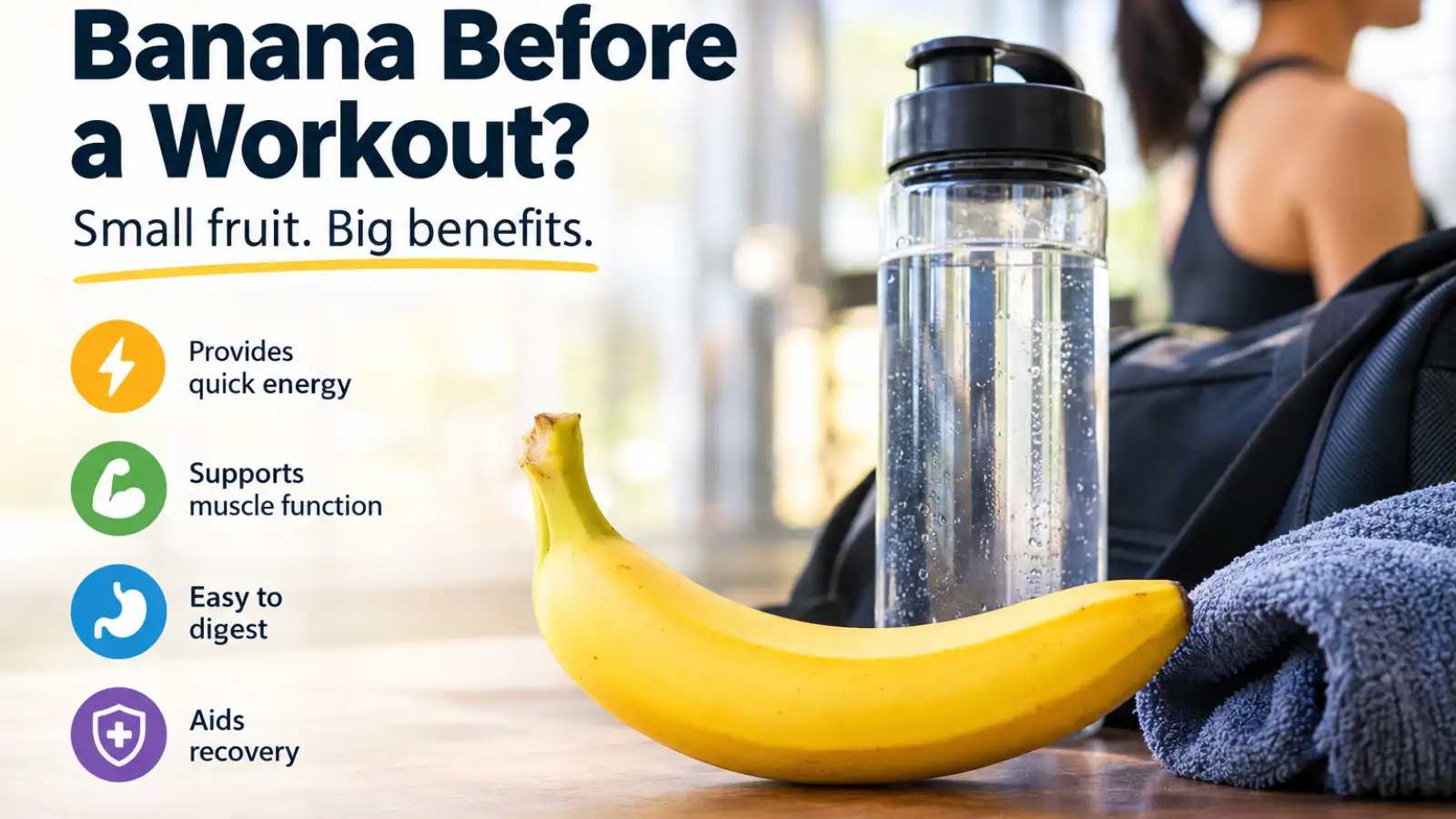
A medium-sized banana contains approximately 27 grams of carbohydrates, including naturally occurring sugars such as glucose, fructose and sucrose. These carbohydrates are digested and absorbed to provide energy during physical activity.
The ripeness of a banana also affects how its carbohydrates are digested. A ripe, yellow banana contains more readily available sugars, making it a convenient choice before exercise. A greener banana contains more resistant starch, which takes longer to break down and may cause digestive discomfort in some people if eaten too close to a workout.
If you need a quick source of energy before heading to the gym, a ripe banana can be a practical option.
Research led by Dr David Nieman at Appalachian State University examined the effects of bananas and carbohydrate-containing sports drinks on trained cyclists during prolonged exercise. The findings, published in the journal PLOS ONE, suggested that bananas could support exercise performance comparably to sports drinks under the conditions studied.
Bananas also contain naturally occurring antioxidants and other plant compounds that contribute to their nutritional value. The research explored changes in markers associated with inflammation and antioxidant activity following exercise.
However, bananas and sports drinks serve slightly different purposes. A banana supplies carbohydrates along with fibre, potassium and other nutrients, while a sports drink can provide fluids, carbohydrates and electrolytes in a form that is easy to consume during prolonged or intense activity.
For a typical gym session, a banana may be all you need for a convenient pre-workout snack. During long endurance sessions, your fluid and electrolyte requirements may call for additional sources.
A medium banana provides approximately 400–425 milligrams of potassium, although the exact amount varies with its size. Including potassium-rich foods in your regular diet can help you meet your daily nutritional requirements.
During prolonged exercise, the body loses electrolytes through sweat, and potassium also shifts between body compartments. However, muscle cramps can have several causes, including fatigue, and eating a banana alone cannot guarantee that cramps will be prevented.
Bananas also contain vitamin B6, which helps the body metabolise nutrients and supports several processes involved in energy production. These nutrients make bananas a valuable addition to a balanced diet for people who exercise regularly.
This gives your body time to digest the snack while making its carbohydrates available for use during physical activity. However, the ideal timing depends on your digestion, workout intensity and individual food tolerance.
Here are a few tips to keep in mind:
During exercise, muscles use stored glycogen as a source of energy. Eating carbohydrate-rich foods afterwards helps restore these reserves, particularly after long or demanding sessions.
A banana provides readily available carbohydrates, making it an easy option after a workout. However, recovery involves more than replacing carbohydrates alone.
Pairing a banana with a protein-rich food, such as yoghurt, milk, eggs or a suitable protein shake, can help you meet your recovery needs. Protein supplies amino acids that support muscle repair and adaptation after exercise, while carbohydrates help replenish energy stores.
Bananas also provide several micronutrients and plant compounds. However, they should not be considered a standalone treatment for muscle soreness or exercise-related inflammation. Adequate sleep, hydration, balanced meals and appropriate rest remain important parts of recovery.
That said, your pre-workout nutrition should depend on the type and duration of exercise you do.
Eating a banana before a workout can help provide energy, supply essential nutrients and make pre-exercise nutrition simpler. For many people, a ripe banana eaten around 30-60 minutes before exercise is a convenient choice. You can also enjoy one after training, ideally alongside a source of protein when muscle recovery is a priority.
Ultimately, a banana is not a magic performance booster, but it can be a useful part of a balanced diet that supports regular exercise. The best results come from combining sensible nutrition with adequate hydration, consistent training and enough rest.
1. Provides Quick Energy for Exercise
Your muscles need energy to perform exercises, particularly during high-intensity activities such as running, cycling and weightlifting. Carbohydrates help meet this demand by supplying glucose, which the body uses as fuel.A medium-sized banana contains approximately 27 grams of carbohydrates, including naturally occurring sugars such as glucose, fructose and sucrose. These carbohydrates are digested and absorbed to provide energy during physical activity.
The ripeness of a banana also affects how its carbohydrates are digested. A ripe, yellow banana contains more readily available sugars, making it a convenient choice before exercise. A greener banana contains more resistant starch, which takes longer to break down and may cause digestive discomfort in some people if eaten too close to a workout.
If you need a quick source of energy before heading to the gym, a ripe banana can be a practical option.
2. Can Bananas Perform as Well as Sports Drinks?
Sports drinks are often used during prolonged exercise because they provide fluids and carbohydrates. However, bananas can also be a useful source of fuel for endurance activities.Research led by Dr David Nieman at Appalachian State University examined the effects of bananas and carbohydrate-containing sports drinks on trained cyclists during prolonged exercise. The findings, published in the journal PLOS ONE, suggested that bananas could support exercise performance comparably to sports drinks under the conditions studied.
Bananas also contain naturally occurring antioxidants and other plant compounds that contribute to their nutritional value. The research explored changes in markers associated with inflammation and antioxidant activity following exercise.
However, bananas and sports drinks serve slightly different purposes. A banana supplies carbohydrates along with fibre, potassium and other nutrients, while a sports drink can provide fluids, carbohydrates and electrolytes in a form that is easy to consume during prolonged or intense activity.
For a typical gym session, a banana may be all you need for a convenient pre-workout snack. During long endurance sessions, your fluid and electrolyte requirements may call for additional sources.
3. Supports Normal Muscle Function
Potassium is an essential mineral that helps regulate fluid balance and supports the normal functioning of muscles and nerves. Since muscles rely on electrical signals to contract, maintaining an appropriate electrolyte balance is important during physical activity.A medium banana provides approximately 400–425 milligrams of potassium, although the exact amount varies with its size. Including potassium-rich foods in your regular diet can help you meet your daily nutritional requirements.
During prolonged exercise, the body loses electrolytes through sweat, and potassium also shifts between body compartments. However, muscle cramps can have several causes, including fatigue, and eating a banana alone cannot guarantee that cramps will be prevented.
Bananas also contain vitamin B6, which helps the body metabolise nutrients and supports several processes involved in energy production. These nutrients make bananas a valuable addition to a balanced diet for people who exercise regularly.
4. When Should You Eat a Banana Before a Workout?
Timing your pre-workout snack can help you feel comfortable and energised during exercise. For many people, eating a ripe banana around 30-60 minutes before a workout is a reasonable starting point.This gives your body time to digest the snack while making its carbohydrates available for use during physical activity. However, the ideal timing depends on your digestion, workout intensity and individual food tolerance.
Here are a few tips to keep in mind:
- For a quick energy boost: Choose a ripe, yellow banana before a gym session or run.
- For sensitive digestion: Try eating it earlier or begin with a smaller portion.
- For longer workouts: Consider pairing the banana with an appropriate source of fluids and additional fuel if needed.
- For a caffeine boost: Coffee may help some adults improve exercise performance, but caffeine tolerance and sensitivity vary. Avoid it if it causes jitters, digestive discomfort or sleep problems.
5. Eating a Banana After a Workout May Support Recovery
A banana is not just a pre-workout snack. It can also contribute to your recovery after exercise by helping replenish the carbohydrates your body has used.You may also like
- In 2018, Andhra Pradesh's Singampalli Parwathi borrowed Rs 20,000 to trade raw cashews; today she processes 11 grades of cashew kernels and reports annual business turnover near Rs 50 lakh
- Peter Marino named CFDA's 2026 'Fashion Icon' for his bold influence on luxury fashion
- New Study Finds Whole Grains and Dairy May Influence Colon Cancer Risk Differently Than Processed Meat
During exercise, muscles use stored glycogen as a source of energy. Eating carbohydrate-rich foods afterwards helps restore these reserves, particularly after long or demanding sessions.
A banana provides readily available carbohydrates, making it an easy option after a workout. However, recovery involves more than replacing carbohydrates alone.
Pairing a banana with a protein-rich food, such as yoghurt, milk, eggs or a suitable protein shake, can help you meet your recovery needs. Protein supplies amino acids that support muscle repair and adaptation after exercise, while carbohydrates help replenish energy stores.
Bananas also provide several micronutrients and plant compounds. However, they should not be considered a standalone treatment for muscle soreness or exercise-related inflammation. Adequate sleep, hydration, balanced meals and appropriate rest remain important parts of recovery.
6. Is Eating a Banana Before Every Workout a Good Idea?
For most healthy adults, eating a banana before exercise can be a convenient and nutritious habit. It is portable, requires little preparation and provides carbohydrates without the need for a specially formulated sports supplement.That said, your pre-workout nutrition should depend on the type and duration of exercise you do.
- For light exercise: You may not need a snack if you have eaten a balanced meal recently and feel comfortable.
- For strength training: A banana can provide carbohydrates, particularly if you are exercising several hours after your last meal.
- For running or cycling: It may be useful before longer sessions when your energy requirements are higher.
- For prolonged endurance exercise: You may need additional carbohydrates, fluids and electrolytes, depending on the duration and intensity of your activity.
Eating a banana before a workout can help provide energy, supply essential nutrients and make pre-exercise nutrition simpler. For many people, a ripe banana eaten around 30-60 minutes before exercise is a convenient choice. You can also enjoy one after training, ideally alongside a source of protein when muscle recovery is a priority.
Ultimately, a banana is not a magic performance booster, but it can be a useful part of a balanced diet that supports regular exercise. The best results come from combining sensible nutrition with adequate hydration, consistent training and enough rest.






Loving Newspoint? Download the app now
