
Barot Valley Travel Guide: 8 Best Places to Visit and Things to Do in Himachal Pradesh

Tucked away in the Mandi district of Himachal Pradesh, Barot Valley is a quiet mountain destination known for the Uhl River , green hillsides and peaceful village surroundings. Unlike the state's more commercialised hill stations, Barot offers a slower travel experience, where forest walks, traditional settlements and small local attractions provide plenty to explore.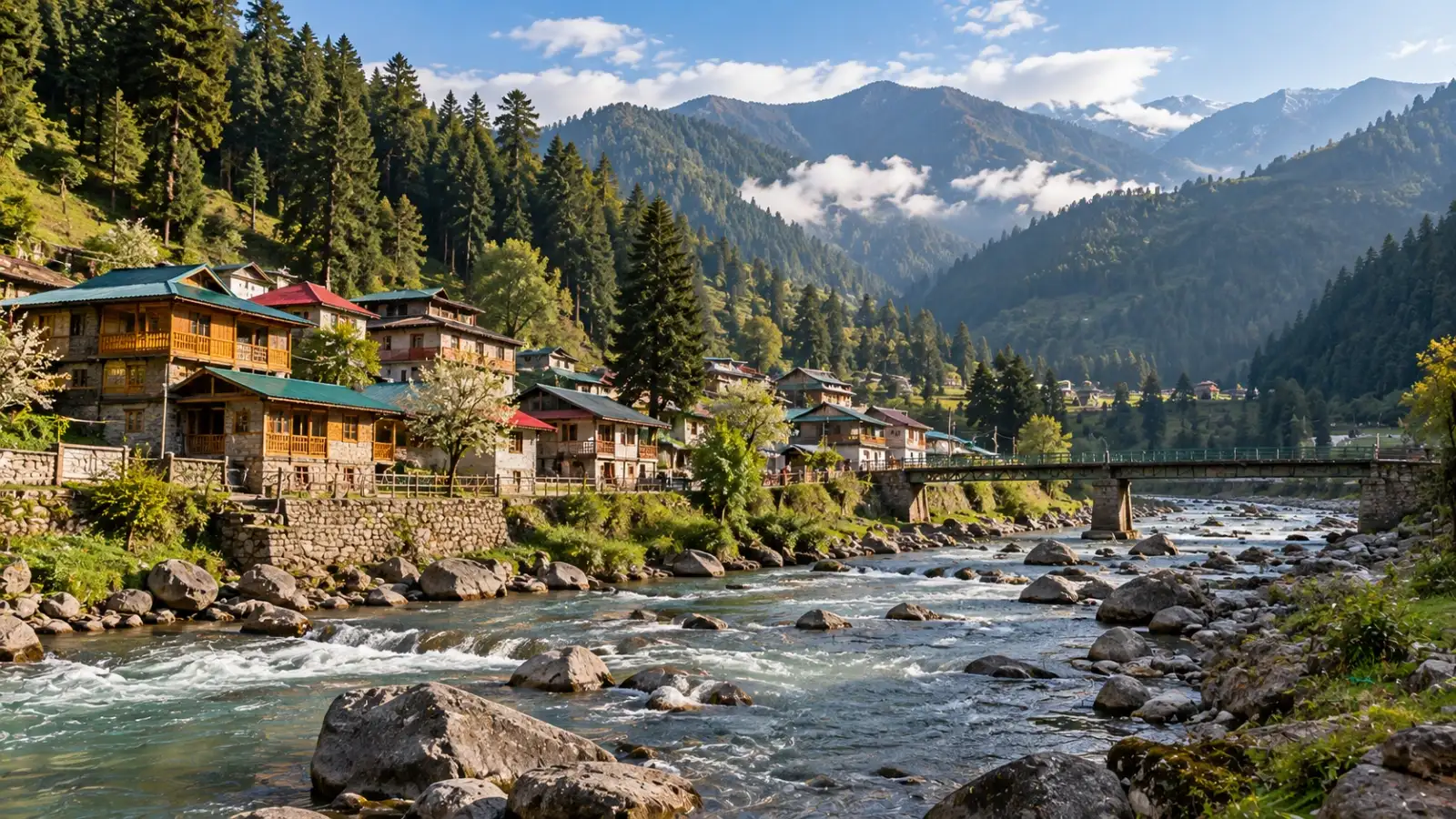
The valley is also associated with trout farming and the historic Shanan hydroelectric project. Its location makes it an interesting destination for travellers who enjoy nature, photography and short hikes without necessarily committing to a demanding Himalayan expedition.
While sitting beside the river is an obvious attraction, there is much more to discover here. From walking through nearby villages to exploring the valley's engineering heritage, Barot rewards visitors who spend time looking beyond its riverside views.
The engineering infrastructure provides an interesting contrast with the surrounding forests and mountain scenery. Visitors can learn how water from the Uhl River is diverted through the system towards the power station near Joginder Nagar.
Rather than viewing the reservoir only as a scenic backdrop, take time to understand how the project influenced the development of the area. It offers a different perspective on Barot, showing how the valley's natural geography became part of a major engineering undertaking.
Access to operational infrastructure may be restricted, so observe barriers and local instructions. The historic haulage trolley associated with the project is not a tourist ride that visitors should assume is operating. Confirm any access arrangements locally before planning a visit around it.
The farm is associated with breeding and raising trout, fish that require suitable water conditions. Depending on current access arrangements, visitors may be able to observe the facilities and learn about fish-rearing practices.
The visit adds an educational element to a trip that might otherwise focus entirely on scenery. It also helps explain why trout has become associated with Barot's local food scene.
Check whether the farm is open to visitors before arriving, as access and operating arrangements may vary. If you are interested in fishing in the Uhl River, do not assume that a visit to the farm automatically permits angling. Confirm the current rules and obtain the required permission from the relevant fisheries authorities.
Lohardi and other nearby villages can be considered for a walk or a short excursion, depending on the route, available time and local conditions. These journeys provide a chance to see more of the landscape than a quick visit to the main village allows.
You may encounter people working in fields, tending livestock or carrying out everyday household activities. Treat these encounters respectfully. Ask permission before photographing residents or entering private property, and consider hiring a local guide if you are unfamiliar with the trails.
Some paths are not formally marked, and walking times can vary with the terrain. Ask your accommodation host about the current route and difficulty before setting out.
The sanctuary's forests provide habitat for Himalayan wildlife, including birds and mammals. Sightings are never guaranteed, but early mornings can be rewarding for travellers interested in observing birds and listening to the sounds of the forest.
For a more immersive experience, arrange a walk with a knowledgeable local guide who understands the terrain and wildlife regulations. Stay on permitted routes and avoid entering forest areas without checking access requirements.
Do not feed wild animals, approach wildlife for photographs or leave food waste behind. The aim should be to observe the natural environment without disturbing it.
The trek can be a rewarding option for people who prefer walking through remote terrain to visiting crowded viewpoints. However, it requires more preparation than a casual village stroll.
Route conditions, distance, elevation gain and the time needed depend on the trail selected. Arrange a local guide where appropriate, check the weather and start early. For longer routes, confirm accommodation and carry suitable food, water and equipment.
Do not attempt an unfamiliar mountain route simply because it appears short on a map. Weather can change quickly, and mobile connectivity may be unreliable in parts of the valley.
Look out for river-associated species and other Himalayan birds, but remember that sightings depend on the season, weather and local habitat. Binoculars can help you observe birds without getting too close.
Keep noise to a minimum and avoid disturbing nesting areas. If you are new to birdwatching, a local guide may help identify species and explain their behaviour.
This activity is particularly suitable for visitors who want to experience Barot at a slower pace without taking on a demanding trek.
Trout is one of the valley's best-known food specialities. If you eat fish, ask local establishments about their preparations and the availability of freshly cooked dishes. Menus and supplies can vary between properties.
Vegetarian travellers can enquire about traditional vegetable dishes, dal, rice and locally available seasonal ingredients. Do not assume that every restaurant has an extensive menu, particularly during quieter periods.
If you are staying in a homestay, ask whether meals are included and whether you need to arrange them in advance. This is especially useful when accommodation is located away from the main village.
Early morning can offer softer light and quieter surroundings, while late afternoon is useful for capturing the changing colours of the hills. Weather can also transform the landscape, with clouds and mist adding atmosphere.
Photographers should take care around riverbanks, steep slopes and roads with limited space. Avoid stepping into restricted infrastructure areas or positioning yourself where passing vehicles cannot see you.
If you photograph people or their homes, ask permission first. Respectful photography is especially important in smaller communities where visitors may be less common.
September to November can also be suitable, depending on rainfall and the condition of local roads. The monsoon months require greater caution because heavy rain can trigger landslides, disrupt road travel and make riverside areas dangerous.
Winter can bring cold conditions, and higher routes may be difficult depending on snowfall and weather. Check local forecasts and road updates before travelling, particularly if you intend to trek.
For a relaxed first visit, allow one or two nights. This gives you time to explore the village, visit the trout farm, walk around the reservoir and choose an additional activity without rushing.
Travellers arriving by train or bus will generally need onward road transport. A pre-arranged taxi can be useful if you want to visit several places around the valley, although local buses may be available on some routes.
The final road stretches can be narrow and winding. Drive cautiously, particularly during the monsoon or in poor visibility, and avoid travelling after dark if you are unfamiliar with the route.
Accommodation options include guest houses, homestays and small lodges. Book ahead during busy periods, and confirm meal arrangements, parking and transport options before arrival.
Carry cash, basic medicines, drinking water and suitable walking shoes. Download offline maps before travelling, and let someone know your plans if you are heading onto a longer trail.
Most importantly, do not camp directly beside a fast-flowing river or assume that a calm-looking stretch is safe. Water levels can rise quickly, particularly after rain upstream. Follow local advice and choose authorised camping areas set back from the river.
Barot Valley offers much more than a place to sit beside the water. Its hydroelectric heritage, trout-farming tradition, forest walks, nearby villages and trekking connections provide different ways to experience the landscape. Give yourself enough time to explore at a comfortable pace, and the valley can become a rewarding alternative to Himachal Pradesh's busier tourist destinations.
The valley is also associated with trout farming and the historic Shanan hydroelectric project. Its location makes it an interesting destination for travellers who enjoy nature, photography and short hikes without necessarily committing to a demanding Himalayan expedition.
While sitting beside the river is an obvious attraction, there is much more to discover here. From walking through nearby villages to exploring the valley's engineering heritage, Barot rewards visitors who spend time looking beyond its riverside views.
1. Explore the Historic Shanan Hydroelectric Project
Barot's history is closely connected to the Shanan hydroelectric project, an important part of the region's early hydroelectric development. The project was developed during the British period, and the barrage and reservoir around Barot remain significant features of the landscape.The engineering infrastructure provides an interesting contrast with the surrounding forests and mountain scenery. Visitors can learn how water from the Uhl River is diverted through the system towards the power station near Joginder Nagar.
Rather than viewing the reservoir only as a scenic backdrop, take time to understand how the project influenced the development of the area. It offers a different perspective on Barot, showing how the valley's natural geography became part of a major engineering undertaking.
Access to operational infrastructure may be restricted, so observe barriers and local instructions. The historic haulage trolley associated with the project is not a tourist ride that visitors should assume is operating. Confirm any access arrangements locally before planning a visit around it.
2. Visit the Government Trout Farm
Barot is well known for its trout-farming tradition, making the local government trout farm an interesting stop for visitors who want to understand the valley's relationship with freshwater fisheries.The farm is associated with breeding and raising trout, fish that require suitable water conditions. Depending on current access arrangements, visitors may be able to observe the facilities and learn about fish-rearing practices.
The visit adds an educational element to a trip that might otherwise focus entirely on scenery. It also helps explain why trout has become associated with Barot's local food scene.
Check whether the farm is open to visitors before arriving, as access and operating arrangements may vary. If you are interested in fishing in the Uhl River, do not assume that a visit to the farm automatically permits angling. Confirm the current rules and obtain the required permission from the relevant fisheries authorities.
3. Walk Through the Villages Around Barot
One of the most rewarding ways to explore the valley is on foot. Small settlements around Barot offer glimpses of rural life, terraced fields, traditional houses and the daily routines of mountain communities.Lohardi and other nearby villages can be considered for a walk or a short excursion, depending on the route, available time and local conditions. These journeys provide a chance to see more of the landscape than a quick visit to the main village allows.
You may encounter people working in fields, tending livestock or carrying out everyday household activities. Treat these encounters respectfully. Ask permission before photographing residents or entering private property, and consider hiring a local guide if you are unfamiliar with the trails.
Some paths are not formally marked, and walking times can vary with the terrain. Ask your accommodation host about the current route and difficulty before setting out.
4. Discover the Forest Trails and Wildlife Around Nargu
The forested slopes around Barot provide opportunities for nature walks and birdwatching. Nargu Wildlife Sanctuary lies across the Uhl River and forms an important part of the wider natural landscape.The sanctuary's forests provide habitat for Himalayan wildlife, including birds and mammals. Sightings are never guaranteed, but early mornings can be rewarding for travellers interested in observing birds and listening to the sounds of the forest.
For a more immersive experience, arrange a walk with a knowledgeable local guide who understands the terrain and wildlife regulations. Stay on permitted routes and avoid entering forest areas without checking access requirements.
Do not feed wild animals, approach wildlife for photographs or leave food waste behind. The aim should be to observe the natural environment without disturbing it.
5. Plan a Trek Towards Rajgundha Valley
For travellers who want a more active experience, Barot can serve as a starting point for trekking routes towards Rajgundha and the surrounding mountain settlements. These routes connect different valleys and offer views of forested slopes, meadows and the wider Himalayan landscape.The trek can be a rewarding option for people who prefer walking through remote terrain to visiting crowded viewpoints. However, it requires more preparation than a casual village stroll.
Route conditions, distance, elevation gain and the time needed depend on the trail selected. Arrange a local guide where appropriate, check the weather and start early. For longer routes, confirm accommodation and carry suitable food, water and equipment.
Do not attempt an unfamiliar mountain route simply because it appears short on a map. Weather can change quickly, and mobile connectivity may be unreliable in parts of the valley.
6. Spend Time Birdwatching Along the Uhl River
The river and its surrounding vegetation make Barot an appealing destination for travellers who enjoy birdwatching. Rather than rushing between attractions, take an early morning walk and observe the birds found along the water and nearby trees.Look out for river-associated species and other Himalayan birds, but remember that sightings depend on the season, weather and local habitat. Binoculars can help you observe birds without getting too close.
Keep noise to a minimum and avoid disturbing nesting areas. If you are new to birdwatching, a local guide may help identify species and explain their behaviour.
This activity is particularly suitable for visitors who want to experience Barot at a slower pace without taking on a demanding trek.
7. Try Local Food and Trout Preparations
Food is another way to explore Barot's identity. Local guest houses and small eateries may serve simple Himachali meals, including rice, lentils, seasonal vegetables and regional preparations.Trout is one of the valley's best-known food specialities. If you eat fish, ask local establishments about their preparations and the availability of freshly cooked dishes. Menus and supplies can vary between properties.
Vegetarian travellers can enquire about traditional vegetable dishes, dal, rice and locally available seasonal ingredients. Do not assume that every restaurant has an extensive menu, particularly during quieter periods.
If you are staying in a homestay, ask whether meals are included and whether you need to arrange them in advance. This is especially useful when accommodation is located away from the main village.
8. Enjoy Photography Beyond the Riverside
Barot's photographic appeal extends beyond the Uhl River. Terraced fields, forested ridges, village houses, bridges and the reservoir create a variety of subjects throughout the day.Early morning can offer softer light and quieter surroundings, while late afternoon is useful for capturing the changing colours of the hills. Weather can also transform the landscape, with clouds and mist adding atmosphere.
Photographers should take care around riverbanks, steep slopes and roads with limited space. Avoid stepping into restricted infrastructure areas or positioning yourself where passing vehicles cannot see you.
If you photograph people or their homes, ask permission first. Respectful photography is especially important in smaller communities where visitors may be less common.
Best Time to Visit Barot Valley
March to June is generally a good period for outdoor exploration, with spring and early summer offering opportunities for village walks, forest trails and riverside visits.September to November can also be suitable, depending on rainfall and the condition of local roads. The monsoon months require greater caution because heavy rain can trigger landslides, disrupt road travel and make riverside areas dangerous.
Winter can bring cold conditions, and higher routes may be difficult depending on snowfall and weather. Check local forecasts and road updates before travelling, particularly if you intend to trek.
For a relaxed first visit, allow one or two nights. This gives you time to explore the village, visit the trout farm, walk around the reservoir and choose an additional activity without rushing.
You may also like
How to Reach Barot Valley
Barot is located in Mandi district and is accessible by road from the Ghatasni area, which connects with the wider road network in Himachal Pradesh. Joginder Nagar is another useful reference point, with a narrow-gauge railway connection and road access towards Barot.Travellers arriving by train or bus will generally need onward road transport. A pre-arranged taxi can be useful if you want to visit several places around the valley, although local buses may be available on some routes.
The final road stretches can be narrow and winding. Drive cautiously, particularly during the monsoon or in poor visibility, and avoid travelling after dark if you are unfamiliar with the route.
Accommodation options include guest houses, homestays and small lodges. Book ahead during busy periods, and confirm meal arrangements, parking and transport options before arrival.
What to Know Before Planning Your Trip
Barot is better suited to travellers who appreciate quiet surroundings and simple facilities than those looking for a busy tourist centre. Shops, transport services and mobile connectivity may be limited in some locations.Carry cash, basic medicines, drinking water and suitable walking shoes. Download offline maps before travelling, and let someone know your plans if you are heading onto a longer trail.
Most importantly, do not camp directly beside a fast-flowing river or assume that a calm-looking stretch is safe. Water levels can rise quickly, particularly after rain upstream. Follow local advice and choose authorised camping areas set back from the river.
Barot Valley offers much more than a place to sit beside the water. Its hydroelectric heritage, trout-farming tradition, forest walks, nearby villages and trekking connections provide different ways to experience the landscape. Give yourself enough time to explore at a comfortable pace, and the valley can become a rewarding alternative to Himachal Pradesh's busier tourist destinations.






Loving Newspoint? Download the app now
