
Bay Leaf Benefits: How Tej Patta May Help With Cold, Joint Pain and Inflammation

Bay leaf benefits go beyond adding flavour and aroma to everyday meals. Commonly known as tej patta in India, this kitchen spice has long been used in traditional remedies for concerns such as cold symptoms, joint discomfort and mild inflammation. Bay leaves contain natural compounds with antioxidant and potentially anti-inflammatory properties. However, while some traditional uses may offer temporary comfort, scientific evidence supporting their effectiveness against specific health conditions remains limited. Understanding the potential benefits, correct uses and precautions can help you include tej patta safely in your daily routine.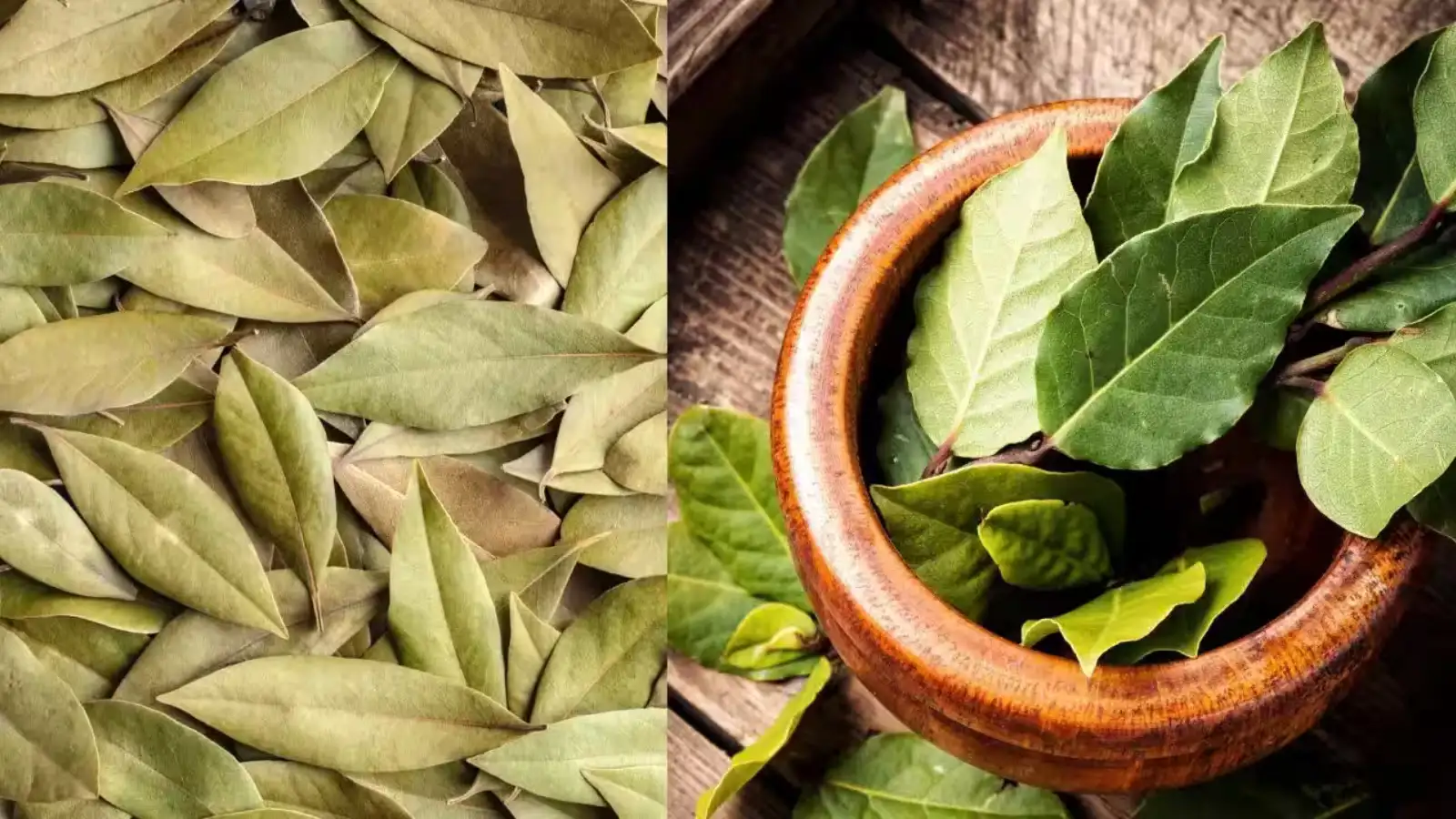
Warm, moist air may provide temporary relief from nasal congestion for some people. However, there is insufficient scientific evidence to establish that bay leaves themselves can treat a common cold or speed up recovery.
How to stay safe: Avoid leaning over a bowl of boiling water for steam inhalation, as it can cause serious burns. Children should not be exposed to this method because of the risk of scalding. If cold symptoms persist, worsen or are accompanied by breathing difficulties, seek medical advice.
According to traditional remedies, bay leaf powder mixed with ghee is sometimes applied to areas affected by joint discomfort or swelling. However, there is not enough reliable clinical evidence to confirm that this mixture relieves joint pain, sprains or inflammation in humans.
Bay leaves should not replace prescribed medicines, physiotherapy or other recommended treatments. Persistent joint pain, swelling, stiffness or difficulty moving a joint requires proper medical evaluation.
However, the nutritional contribution of bay leaves depends on how much is consumed. Since they are generally added to recipes in small quantities and often removed before serving, they are not a major source of essential nutrients in most diets.
You can use tej patta to enhance the flavour of everyday dishes, including:
The liver and kidneys already play essential roles in processing substances and removing waste from the body. Drinking bay leaf water has not been established as a necessary or proven detoxification method.
If you enjoy its flavour, consume it in moderation rather than relying on it to treat a health condition or cleanse your body.
However, there is limited scientific evidence that burning bay leaves directly reduces stress, treats anxiety or improves mental health.
Burning leaves indoors produces smoke and fine particles that can irritate the eyes and respiratory tract. People with asthma or other breathing conditions should be especially careful and avoid exposure to smoke.
For relaxation, safer alternatives include deep-breathing exercises, gentle stretching, meditation or spending time in a well-ventilated, comfortable environment.
Keep these precautions in mind:
Although traditional remedies involving bay leaves are widely discussed, their effectiveness for treating colds, joint pain, swelling and stress has not been adequately established. The potential benefits of plant compounds observed in laboratory studies also do not automatically mean that eating bay leaves or applying them to the skin will produce the same effects.
If you want to try a home remedy, consider its safety and avoid delaying appropriate medical care. A balanced diet, adequate rest and evidence-based treatment remain important for maintaining good health.
Bay leaf benefits include their culinary versatility, mineral content and naturally occurring plant compounds with antioxidant properties. Tej patta may also have a place in traditional home remedies, but strong scientific evidence is lacking for claims that it treats colds, joint pain, inflammation or stress.
Enjoy bay leaves as part of a balanced diet, use caution with concentrated preparations and avoid potentially harmful practices such as inhaling steam over boiling water or burning leaves in enclosed spaces. For persistent symptoms or an existing medical condition, consult a qualified healthcare professional instead of relying solely on home remedies.
1. Can Bay Leaves Help Relieve Cold and Nasal Congestion?
Seasonal changes often bring sneezing, a runny nose and nasal congestion. Traditionally, some people use bay leaves in hot water for steam inhalation, hoping to ease breathing and loosen mucus.Warm, moist air may provide temporary relief from nasal congestion for some people. However, there is insufficient scientific evidence to establish that bay leaves themselves can treat a common cold or speed up recovery.
How to stay safe: Avoid leaning over a bowl of boiling water for steam inhalation, as it can cause serious burns. Children should not be exposed to this method because of the risk of scalding. If cold symptoms persist, worsen or are accompanied by breathing difficulties, seek medical advice.
2. Bay Leaf Benefits for Joint Pain and Inflammation
Bay leaves contain plant compounds that have antioxidant properties, while some compounds found in bay leaf extracts have shown potential anti-inflammatory effects in preliminary research. These properties have attracted interest in their possible role in supporting health.According to traditional remedies, bay leaf powder mixed with ghee is sometimes applied to areas affected by joint discomfort or swelling. However, there is not enough reliable clinical evidence to confirm that this mixture relieves joint pain, sprains or inflammation in humans.
Bay leaves should not replace prescribed medicines, physiotherapy or other recommended treatments. Persistent joint pain, swelling, stiffness or difficulty moving a joint requires proper medical evaluation.
3. What Nutrients Do Bay Leaves Contain?
Bay leaves contain several minerals, including potassium, calcium, iron, magnesium and copper. They also contain plant compounds that contribute to their characteristic aroma and antioxidant properties.However, the nutritional contribution of bay leaves depends on how much is consumed. Since they are generally added to recipes in small quantities and often removed before serving, they are not a major source of essential nutrients in most diets.
You can use tej patta to enhance the flavour of everyday dishes, including:
- Dal and vegetable curries
- Vegetable pulao and biryani
- Soups and stews
- Rice dishes and slow-cooked gravies
Is Bay Leaf Water Good for Detoxification?
Bay leaf water and bay leaf tea are popular home preparations, but claims that they flush toxins out of the body are not supported by sufficient scientific evidence.The liver and kidneys already play essential roles in processing substances and removing waste from the body. Drinking bay leaf water has not been established as a necessary or proven detoxification method.
If you enjoy its flavour, consume it in moderation rather than relying on it to treat a health condition or cleanse your body.
4. Can Bay Leaf Aroma Help Reduce Stress?
The distinctive fragrance of bay leaves can make cooking more enjoyable, and pleasant aromas may help some people feel relaxed. In traditional practices, bay leaves are also sometimes burned for their fragrance.However, there is limited scientific evidence that burning bay leaves directly reduces stress, treats anxiety or improves mental health.
Burning leaves indoors produces smoke and fine particles that can irritate the eyes and respiratory tract. People with asthma or other breathing conditions should be especially careful and avoid exposure to smoke.
For relaxation, safer alternatives include deep-breathing exercises, gentle stretching, meditation or spending time in a well-ventilated, comfortable environment.
5. How to Use Bay Leaves Safely
Bay leaves are generally safe when used in ordinary culinary quantities. However, using them in concentrated preparations, consuming them in large amounts or applying them directly to the skin requires greater caution.Keep these precautions in mind:
You may also like
- When Is Karwa Chauth 2026? Know the Date, Puja Timings and Rituals
- 5 Gentle Back Exercises to Improve Spinal Strength and Flexibility
- Psychology says people who keep old messages and photographs may attach meaning to everyday objects; what nostalgia reveals about memory, identity and emotional connections
- Clay Mask vs Sheet Mask: Benefits, Differences and How to Use Them
- IIT Madras graduate Shreeram Gobinath and his co-founders turned a model they built in a hostel room into Modulus Housing, which has now made more than 1,500 foldable buildings that travel to remote parts of India
- Use them in moderation: Add bay leaves to regular meals for flavour rather than consuming large quantities as a remedy.
- Be careful with skin applications: Bay leaf powder and mixtures containing ghee may cause irritation or allergic reactions in some people. Avoid applying them to broken or irritated skin.
- Do not rely on bay leaf water for detoxification: There is no established evidence that it removes toxins or treats specific illnesses.
- Avoid unsafe steam inhalation: Stay away from boiling water to prevent burns, particularly when attempting to relieve nasal congestion.
- Avoid burning leaves indoors: Smoke may irritate the eyes and lungs, particularly in people with respiratory conditions.
6. Are Bay Leaves Better Used in Food or as a Home Remedy?
For most people, using bay leaves in food is the simplest and most practical way to enjoy their flavour. They add depth to curries, rice dishes and soups without requiring large quantities.Although traditional remedies involving bay leaves are widely discussed, their effectiveness for treating colds, joint pain, swelling and stress has not been adequately established. The potential benefits of plant compounds observed in laboratory studies also do not automatically mean that eating bay leaves or applying them to the skin will produce the same effects.
If you want to try a home remedy, consider its safety and avoid delaying appropriate medical care. A balanced diet, adequate rest and evidence-based treatment remain important for maintaining good health.
Bay leaf benefits include their culinary versatility, mineral content and naturally occurring plant compounds with antioxidant properties. Tej patta may also have a place in traditional home remedies, but strong scientific evidence is lacking for claims that it treats colds, joint pain, inflammation or stress.
Enjoy bay leaves as part of a balanced diet, use caution with concentrated preparations and avoid potentially harmful practices such as inhaling steam over boiling water or burning leaves in enclosed spaces. For persistent symptoms or an existing medical condition, consult a qualified healthcare professional instead of relying solely on home remedies.






Loving Newspoint? Download the app now
