
Indian Summer Care: How Traditional Foods Help You Stay Healthy During Hot Months

As temperatures rise across India every year, the struggle to stay refreshed, energetic, and healthy during the harsh summer months becomes a daily challenge. While modern solutions like air conditioners and packaged drinks offer temporary comfort, Indian households have relied on natural summer foods for generations to protect the body from heat. From cooling drinks prepared with seasonal fruits to simple meals designed to support digestion, Indian summer food reflects centuries of wisdom, regional traditions, and a deep understanding of seasonal nutrition. These traditional choices continue to remain relevant today as people look for healthier ways to manage extreme heat.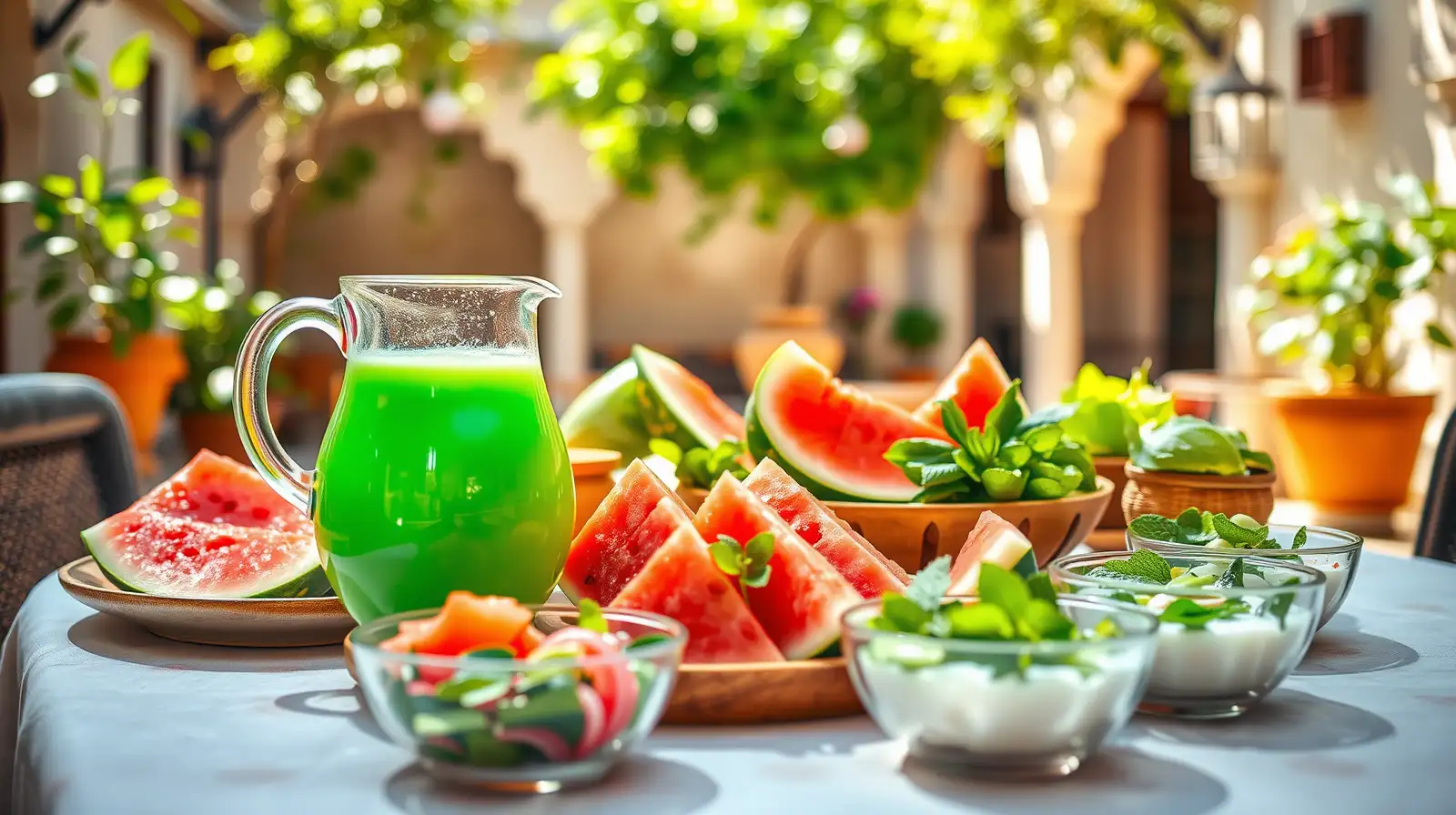
Foods such as curd, buttermilk, coconut water, cucumbers, and seasonal fruits became summer essentials because they provide hydration and important nutrients. In many parts of Rajasthan, Maharashtra, Gujarat, and South India, people have traditionally included cooling foods in their daily diets to reduce the impact of intense heat.
One interesting example is aam panna, a raw mango drink that has been consumed in India for generations. Made with raw mangoes, cumin, mint, and spices, this refreshing drink is believed to help the body cope with heat and maintain electrolyte balance.
Watermelon, muskmelon, cucumber, and oranges are popular seasonal choices because they contain high levels of water. Similarly, chaas or buttermilk is widely consumed after meals in many Indian homes due to its light nature and digestive benefits.
Tender coconut water has also become a favourite summer drink because it contains natural electrolytes. Unlike many artificial energy drinks, it provides hydration without excessive sugar or additives.
Nutrition experts often recommend eating locally available seasonal foods because they are generally fresher and better suited to the environmental conditions in which they grow. A mango eaten during its natural season, for instance, provides not only flavour but also a connection to local agriculture and traditional food culture.
Modern lifestyles often encourage people to consume the same foods throughout the year, but seasonal eating can help create a healthier relationship with food.
Traditional Indian meals like khichdi with curd, lemon rice, vegetable salads, and lightly spiced dishes are examples of foods that are both comforting and suitable for hot weather.
A lesser-known fact is that many Indian spices used in summer cooking, including cumin, fennel, and mint, are traditionally valued not only for flavour but also for their cooling and digestive properties.
Traditional Wisdom Behind Indian Summer Food
Indian summer food is not just about taste; it is closely connected with Ayurveda and regional eating habits developed over centuries. Long before refrigerators and modern cooling systems existed, communities across India created food practices that helped the body adapt to rising temperatures.Foods such as curd, buttermilk, coconut water, cucumbers, and seasonal fruits became summer essentials because they provide hydration and important nutrients. In many parts of Rajasthan, Maharashtra, Gujarat, and South India, people have traditionally included cooling foods in their daily diets to reduce the impact of intense heat.
One interesting example is aam panna, a raw mango drink that has been consumed in India for generations. Made with raw mangoes, cumin, mint, and spices, this refreshing drink is believed to help the body cope with heat and maintain electrolyte balance.
Cooling Foods That Make Indian Summers Easier
During summer, the body loses water and essential minerals through sweating, making hydration a key part of daily health. Indian summer foods naturally address this need through ingredients that are rich in water content and nutrients.You may also like
- Has social media changed how we feel pain?
- ITR Filing Update: ITR filing schedule changed; find out the deadline for each category of taxpayer..
- Bollywood stars can't resist this 150-year-old camera in Jaipur
- The Importance of Combining Lentils with Grains for Complete Nutrition
- Psychology says that individuals who travel with family tend to exhibit higher emotional resilience, stronger social bonding, and better overall well-being
Watermelon, muskmelon, cucumber, and oranges are popular seasonal choices because they contain high levels of water. Similarly, chaas or buttermilk is widely consumed after meals in many Indian homes due to its light nature and digestive benefits.
Tender coconut water has also become a favourite summer drink because it contains natural electrolytes. Unlike many artificial energy drinks, it provides hydration without excessive sugar or additives.
Why Seasonal Eating Matters Today
With rising temperatures and increasing concerns about lifestyle-related health issues, Indian summer food habits have gained renewed importance. Many people are now returning to traditional recipes as they seek natural alternatives to processed beverages and heavy meals.Nutrition experts often recommend eating locally available seasonal foods because they are generally fresher and better suited to the environmental conditions in which they grow. A mango eaten during its natural season, for instance, provides not only flavour but also a connection to local agriculture and traditional food culture.
Modern lifestyles often encourage people to consume the same foods throughout the year, but seasonal eating can help create a healthier relationship with food.
Small Changes for Better Summer Care
Maintaining good health during summer does not always require complicated diets. Simple habits such as including homemade drinks, eating lighter meals, reducing excessive fried food, and choosing fresh fruits can make a significant difference.Traditional Indian meals like khichdi with curd, lemon rice, vegetable salads, and lightly spiced dishes are examples of foods that are both comforting and suitable for hot weather.
A lesser-known fact is that many Indian spices used in summer cooking, including cumin, fennel, and mint, are traditionally valued not only for flavour but also for their cooling and digestive properties.






More from our partners


Loving Newspoint? Download the app now
