
How to Stay Protected During Indian Summers: Simple Safety Tips That Really Work

Indian summers are becoming more intense each year, with heatwaves affecting daily life in both cities and rural areas. High temperatures can lead to dehydration, fatigue and even serious health risks if proper precautions are not taken. While air conditioning and cold drinks may offer temporary relief, real protection comes from smart daily habits and awareness. These Indian summer hacks for safety are not complicated, but they can make a significant difference in how the body responds to extreme heat. From hydration strategies to outdoor planning, small changes can help prevent heat-related illnesses and keep everyday life more manageable during peak summer months.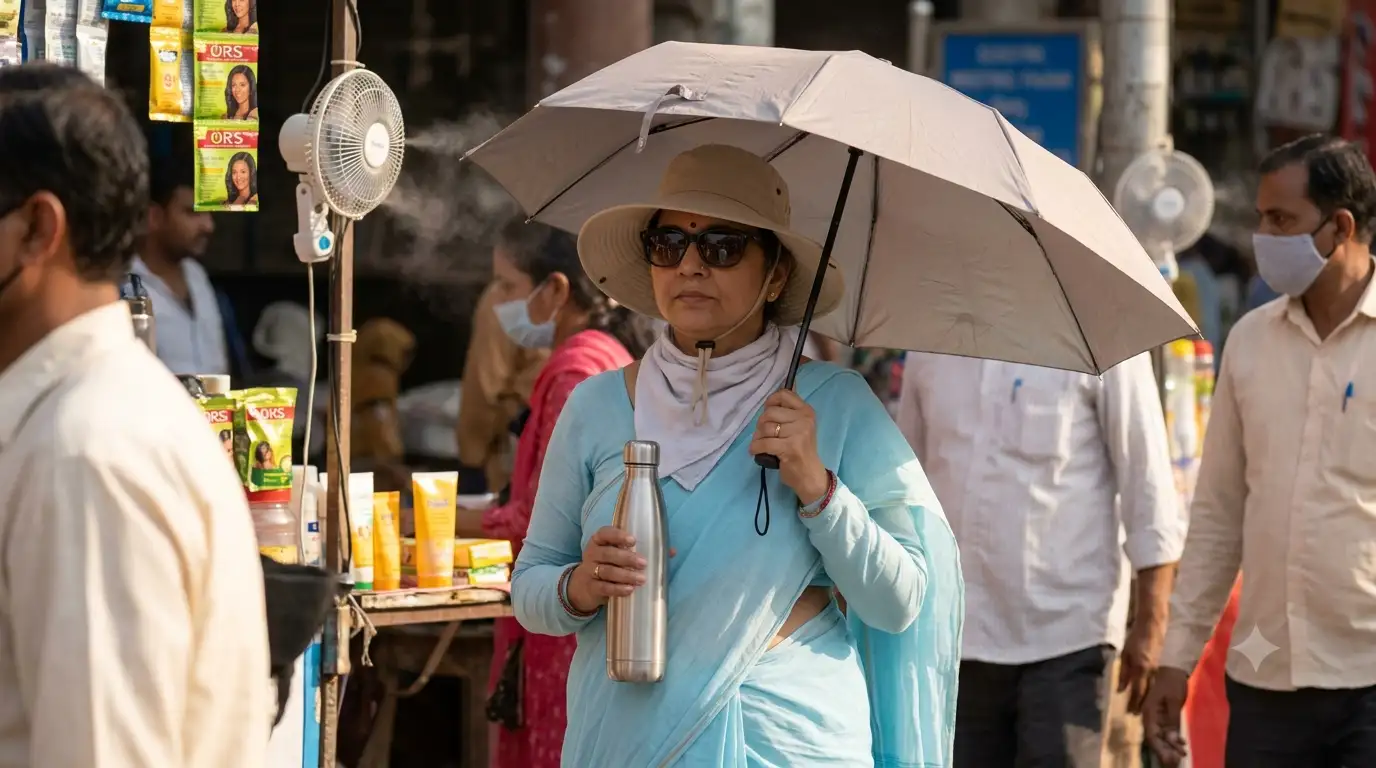
Heat exhaustion and heatstroke are the most serious risks during Indian summers. Early symptoms often include dizziness, headache, weakness and nausea. If ignored, these conditions can become dangerous.
Children, elderly people and outdoor workers are particularly vulnerable, making heat safety an important public health concern.
Instead of waiting until thirst sets in, experts recommend sipping water frequently. Natural drinks such as coconut water, lemon water and buttermilk can also help restore electrolytes lost through sweating.
Avoiding excessive caffeine and sugary drinks is equally important, as they can contribute to dehydration.
Midday hours, especially between late morning and mid-afternoon, are typically the hottest and should be avoided when possible.
For those who must work outdoors, taking regular breaks in shaded or cool areas is essential to prevent overheating.
Using fans effectively, ensuring proper ventilation and avoiding heat-generating appliances during the day can also make a noticeable difference.
In many traditional Indian homes, courtyards and cross-ventilation were used to maintain airflow naturally, a practice that still holds value today.
Light colours are preferable as they reflect sunlight instead of absorbing heat. Covering the head with a hat, scarf or umbrella can also prevent direct sun exposure.
Sunglasses can help reduce strain caused by intense sunlight during outdoor movement.
These Indian summer hacks are especially important in urban areas where heat is intensified by concrete structures and limited greenery.
Simple preventive habits can reduce hospital visits and improve overall quality of life during peak summer months.
Understanding the Risks of Extreme Heat
Extreme heat affects the body in multiple ways. When temperatures rise, the body struggles to regulate internal heat, leading to excessive sweating and loss of essential minerals.Heat exhaustion and heatstroke are the most serious risks during Indian summers. Early symptoms often include dizziness, headache, weakness and nausea. If ignored, these conditions can become dangerous.
Children, elderly people and outdoor workers are particularly vulnerable, making heat safety an important public health concern.
Hydration as the First Line of Defence
One of the most important Indian summer hacks is maintaining proper hydration throughout the day. Drinking water at regular intervals helps the body regulate temperature and maintain energy levels.Instead of waiting until thirst sets in, experts recommend sipping water frequently. Natural drinks such as coconut water, lemon water and buttermilk can also help restore electrolytes lost through sweating.
Avoiding excessive caffeine and sugary drinks is equally important, as they can contribute to dehydration.
Smart Outdoor Planning During Heatwaves
Timing outdoor activities can significantly reduce exposure to extreme heat. It is generally safer to step out early in the morning or later in the evening when temperatures are lower.Midday hours, especially between late morning and mid-afternoon, are typically the hottest and should be avoided when possible.
You may also like
- Osteoporosis in Men: From back pain to minor injuries, this dangerous disease is silently eroding men's bones.
- Health Risks Of Reheated Oil: For how many days can the oil left in the pan be used, and when does it become poisonous?
- Healthy Foods Harmful At Night: This thing is nectar in the morning and poison at night, eating it causes these harms – know here
- Vitamin D Deficiency May Impact More Than Your Bones—Here's What It Could Mean for Your Heart
- Inside Death Valley: Why do people voluntarily travel to the hottest place on Earth?
For those who must work outdoors, taking regular breaks in shaded or cool areas is essential to prevent overheating.
Home Cooling and Indoor Safety
Keeping indoor spaces cool is another important aspect of summer safety. Simple actions like closing curtains during peak sunlight hours can help reduce indoor temperatures.Using fans effectively, ensuring proper ventilation and avoiding heat-generating appliances during the day can also make a noticeable difference.
In many traditional Indian homes, courtyards and cross-ventilation were used to maintain airflow naturally, a practice that still holds value today.
Clothing and Personal Protection
Wearing the right clothing is often overlooked but plays a key role in heat protection. Lightweight, loose-fitting cotton clothes allow better air circulation and help the body stay cool.Light colours are preferable as they reflect sunlight instead of absorbing heat. Covering the head with a hat, scarf or umbrella can also prevent direct sun exposure.
Sunglasses can help reduce strain caused by intense sunlight during outdoor movement.
Why Summer Safety Awareness Matters
As climate conditions continue to change, heatwaves are becoming more frequent and severe. Awareness of basic safety practices can help reduce health risks and improve daily comfort.These Indian summer hacks are especially important in urban areas where heat is intensified by concrete structures and limited greenery.
Simple preventive habits can reduce hospital visits and improve overall quality of life during peak summer months.






More from our partners


Loving Newspoint? Download the app now
