
Indian Summer Hacks for Homes: How to Keep Your Space Naturally Cool Without Air Conditioning

When Indian summers peak, homes often become the hardest places to manage. Heat trapped indoors can make even simple daily activities uncomfortable, especially in densely populated cities where concrete structures absorb and retain warmth. While air conditioners offer relief, they are not always the most practical or sustainable solution. This is where Indian summer hacks for homes become invaluable. These methods blend traditional wisdom with modern design thinking to naturally reduce indoor temperatures. From airflow management to material choices, small adjustments can transform how a home feels during extreme heat.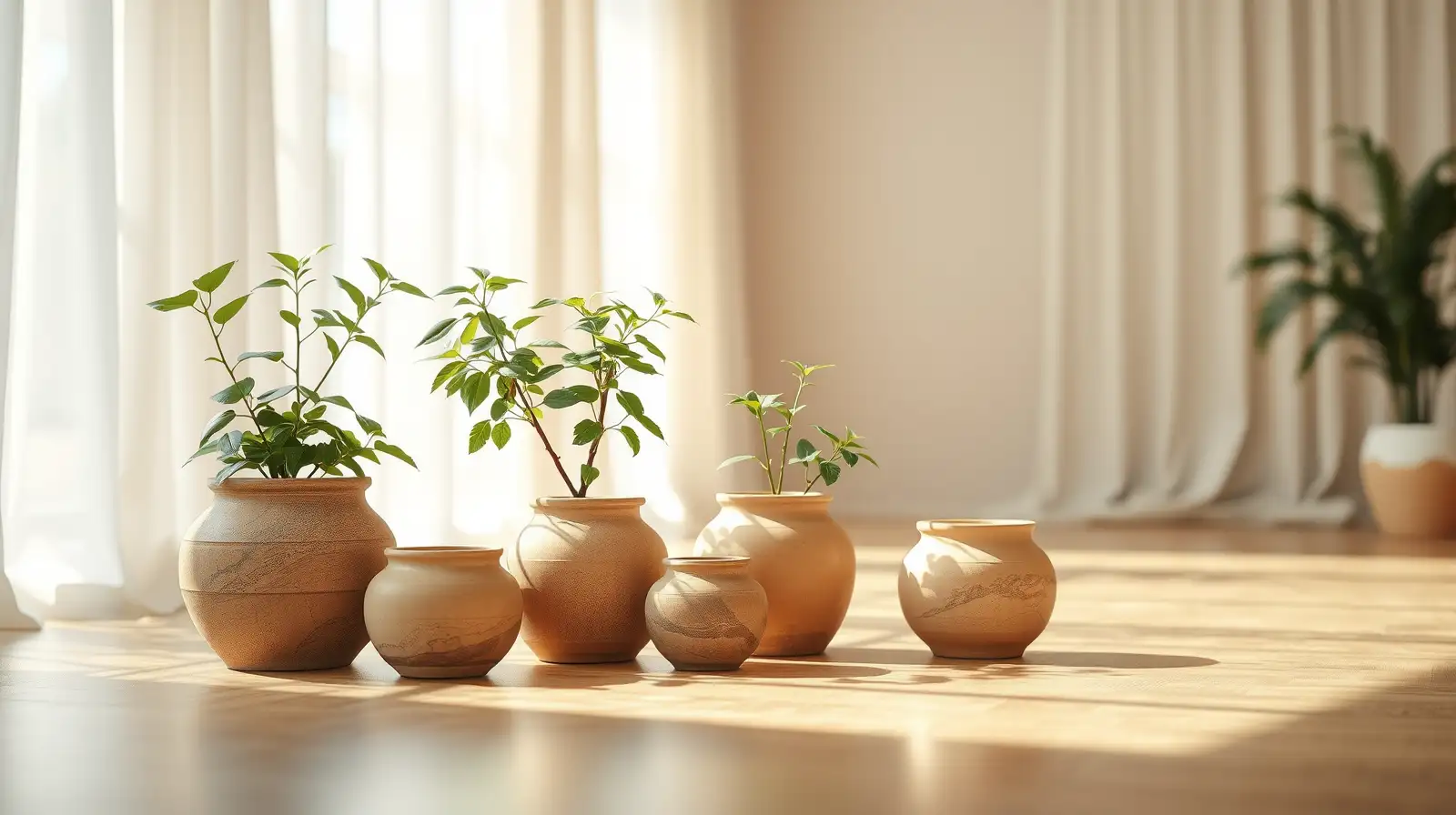
In cities like Delhi, where summer temperatures can become extreme, homes often retain heat long after sunset due to dense construction and limited airflow. This creates a cycle where indoor spaces remain warm even during nighttime.
Older architectural styles in India naturally addressed these challenges through courtyards, shaded verandas and high ceilings that encouraged air circulation.
Traditional homes often used jalis, or perforated stone screens, to allow airflow while blocking direct sunlight. These architectural elements are still admired today for their practical cooling benefits.
Another simple method is placing water-filled earthen pots in rooms. As the water evaporates slowly, it creates a mild cooling effect in the surrounding air.
Thick blackout curtains are effective during daytime hours because they block direct sunlight and prevent rooms from heating up quickly. However, they should be used strategically to allow airflow during cooler hours.
Natural materials like cotton, bamboo and jute are often preferred in Indian summer hacks because they breathe better than synthetic alternatives and do not trap heat.
Ceiling fans should rotate counterclockwise during summer to push air downward and create a cooling breeze. Combining fans with open windows during cooler parts of the day improves airflow significantly.
Many households are now exploring energy-efficient appliances and inverter-based cooling systems that adjust power usage based on room temperature.
For example, in regions like Hyderabad, old homes were designed with shaded courtyards and lime-plastered walls that naturally stayed cooler than modern cement structures.
These designs are now being studied again as architects look for sustainable solutions to modern climate challenges.
Indian summer hacks for homes offer a practical way to reduce dependence on artificial cooling while maintaining comfort. They also support sustainable living by lowering energy consumption.
Understanding How Heat Builds Up Indoors
To manage indoor temperatures effectively, it is important to understand how heat enters homes. Sunlight passing through windows, heat absorption by walls and roofs, and poor ventilation are the main contributors.In cities like Delhi, where summer temperatures can become extreme, homes often retain heat long after sunset due to dense construction and limited airflow. This creates a cycle where indoor spaces remain warm even during nighttime.
Older architectural styles in India naturally addressed these challenges through courtyards, shaded verandas and high ceilings that encouraged air circulation.
Natural Cooling Techniques Used in Indian Homes
One of the most effective Indian summer hacks is improving natural ventilation . Cross-ventilation, where air enters from one side of the house and exits from another, helps regulate temperature without electricity.Traditional homes often used jalis, or perforated stone screens, to allow airflow while blocking direct sunlight. These architectural elements are still admired today for their practical cooling benefits.
Another simple method is placing water-filled earthen pots in rooms. As the water evaporates slowly, it creates a mild cooling effect in the surrounding air.
Smart Use of Curtains, Colours and Materials
Interior choices can significantly influence how a home responds to summer heat. Light-coloured walls reflect more sunlight, reducing heat absorption compared to darker shades.Thick blackout curtains are effective during daytime hours because they block direct sunlight and prevent rooms from heating up quickly. However, they should be used strategically to allow airflow during cooler hours.
You may also like
- "My daughter will lose...": Father cries outside NEET re-exam centre after daughter misses the gate by two minutes; what happens next is a parenting lesson
- Essential Travel Safety Tips for Solo Travelers
- Travel Safety Tips: Avoid these mistakes while traveling by train or bus, or you could face serious loss..
- Pink mould in the bathroom: What is it and kitchen ingredients that can remove it
- Sindhu Darshan Yatra Scheme 2026: Government offering a subsidy of up to ₹20,000 for the Ladakh trip; check full details..
Natural materials like cotton, bamboo and jute are often preferred in Indian summer hacks because they breathe better than synthetic alternatives and do not trap heat.
Energy-Efficient Cooling Without Heavy Electricity Use
While air conditioning is common, it is not always the most sustainable solution due to rising energy costs. Fans, when used correctly, can be surprisingly effective.Ceiling fans should rotate counterclockwise during summer to push air downward and create a cooling breeze. Combining fans with open windows during cooler parts of the day improves airflow significantly.
Many households are now exploring energy-efficient appliances and inverter-based cooling systems that adjust power usage based on room temperature.
The Role of Traditional Indian Architecture
India has a long history of climate-responsive architecture. From stepwells in Rajasthan to thick-walled homes in southern regions, traditional design often prioritised thermal comfort.For example, in regions like Hyderabad, old homes were designed with shaded courtyards and lime-plastered walls that naturally stayed cooler than modern cement structures.
These designs are now being studied again as architects look for sustainable solutions to modern climate challenges.
Why Home Cooling Hacks Are Becoming More Important
As urban temperatures rise, electricity demand increases significantly during summer months. This puts pressure on both households and power grids.Indian summer hacks for homes offer a practical way to reduce dependence on artificial cooling while maintaining comfort. They also support sustainable living by lowering energy consumption.






More from our partners


Loving Newspoint? Download the app now
