
Indian Summer Hacks for Homes: How to Keep Your Space Naturally Cool Without Air Conditioning

When Indian summers peak, homes often become the hardest places to manage. Heat trapped indoors can make even simple daily activities uncomfortable, especially in densely populated cities where concrete structures absorb and retain warmth. While air conditioners offer relief, they are not always the most practical or sustainable solution. This is where Indian summer hacks for homes become invaluable. These methods blend traditional wisdom with modern design thinking to naturally reduce indoor temperatures. From airflow management to material choices, small adjustments can transform how a home feels during extreme heat.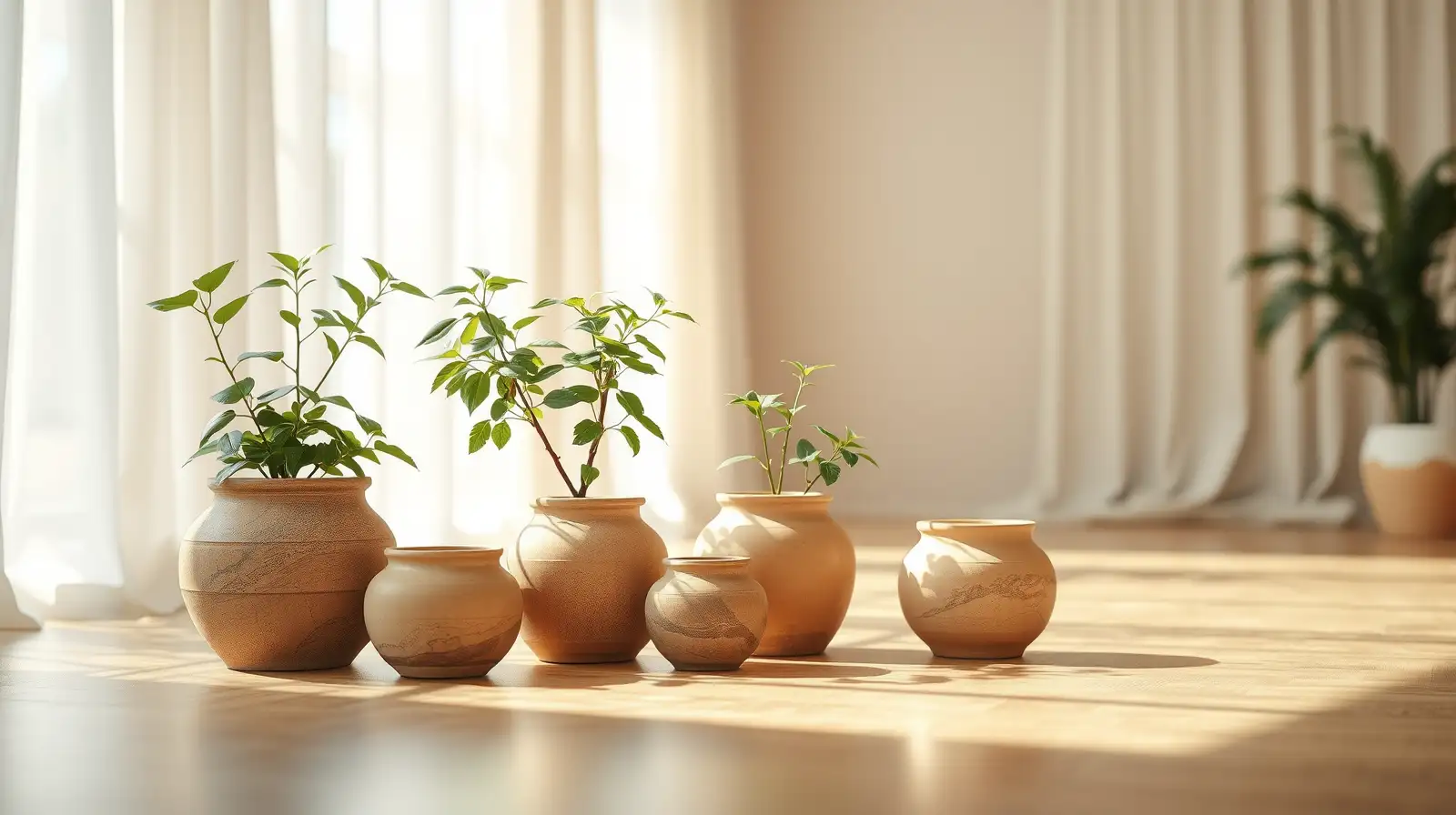
In cities like Delhi, where summer temperatures can become extreme, homes often retain heat long after sunset due to dense construction and limited airflow. This creates a cycle where indoor spaces remain warm even during nighttime.
Older architectural styles in India naturally addressed these challenges through courtyards, shaded verandas and high ceilings that encouraged air circulation.
Traditional homes often used jalis, or perforated stone screens, to allow airflow while blocking direct sunlight. These architectural elements are still admired today for their practical cooling benefits.
Another simple method is placing water-filled earthen pots in rooms. As the water evaporates slowly, it creates a mild cooling effect in the surrounding air.
Thick blackout curtains are effective during daytime hours because they block direct sunlight and prevent rooms from heating up quickly. However, they should be used strategically to allow airflow during cooler hours.
Understanding How Heat Builds Up Indoors
To manage indoor temperatures effectively, it is important to understand how heat enters homes. Sunlight passing through windows, heat absorption by walls and roofs, and poor ventilation are the main contributors.In cities like Delhi, where summer temperatures can become extreme, homes often retain heat long after sunset due to dense construction and limited airflow. This creates a cycle where indoor spaces remain warm even during nighttime.
Older architectural styles in India naturally addressed these challenges through courtyards, shaded verandas and high ceilings that encouraged air circulation.
Natural Cooling Techniques Used in Indian Homes
One of the most effective Indian summer hacks is improving natural ventilation . Cross-ventilation, where air enters from one side of the house and exits from another, helps regulate temperature without electricity.Traditional homes often used jalis, or perforated stone screens, to allow airflow while blocking direct sunlight. These architectural elements are still admired today for their practical cooling benefits.
Another simple method is placing water-filled earthen pots in rooms. As the water evaporates slowly, it creates a mild cooling effect in the surrounding air.
Smart Use of Curtains, Colours and Materials
Interior choices can significantly influence how a home responds to summer heat. Light-coloured walls reflect more sunlight, reducing heat absorption compared to darker shades.Thick blackout curtains are effective during daytime hours because they block direct sunlight and prevent rooms from heating up quickly. However, they should be used strategically to allow airflow during cooler hours.
Next Story