
Native Plants Can Make Your Garden More Resilient and Eco-Friendly

Creating a beautiful garden does not have to come at the expense of the environment. One of the simplest ways to make gardening more sustainable is by choosing native plants . These are species that naturally occur in a particular region and have adapted to the local climate, soil, and wildlife over thousands of years. From reducing maintenance needs to supporting biodiversity, native plants offer several benefits that make them an excellent choice for eco-friendly gardens.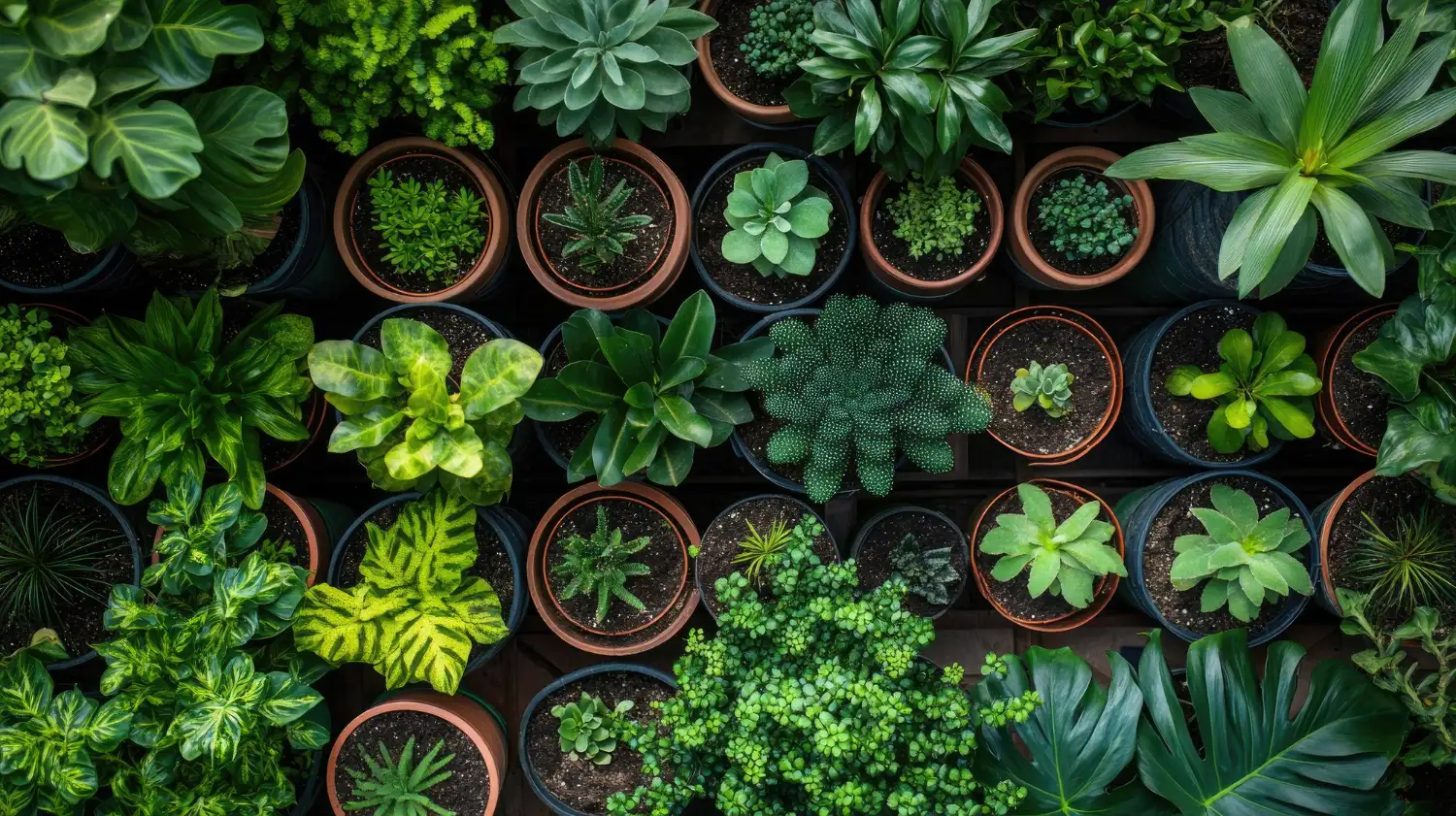
Require Less Water
Since native plants are adapted to local rainfall patterns and climate conditions, they generally need less supplemental watering once established. This can help conserve water, especially in areas that experience seasonal droughts or water restrictions. Lower water use also means reduced gardening costs over time.
Need Fewer Fertilizers
Native species are naturally suited to local soil conditions. Unlike some non-native ornamental plants, they often thrive without heavy applications of fertilizers. Reducing fertilizer use helps prevent nutrient runoff into nearby waterways and supports healthier ecosystems.
Support Local Wildlife
Native plants provide food, shelter, and breeding habitats for local wildlife. Many birds, butterflies, bees, and other pollinators depend on native plant species for survival. By planting native varieties, gardeners can help sustain important pollinator populations and encourage greater biodiversity.
What Are Native Plants?
Native plants are species that grow naturally in a specific area without human introduction. They have evolved alongside local insects, birds, and animals, forming balanced ecosystems. Examples vary by region, so a plant considered native in one country or state may not be native elsewhere.Require Less Water
Since native plants are adapted to local rainfall patterns and climate conditions, they generally need less supplemental watering once established. This can help conserve water, especially in areas that experience seasonal droughts or water restrictions. Lower water use also means reduced gardening costs over time.Need Fewer Fertilizers
Native species are naturally suited to local soil conditions. Unlike some non-native ornamental plants, they often thrive without heavy applications of fertilizers. Reducing fertilizer use helps prevent nutrient runoff into nearby waterways and supports healthier ecosystems. Support Local Wildlife
Native plants provide food, shelter, and breeding habitats for local wildlife. Many birds, butterflies, bees, and other pollinators depend on native plant species for survival. By planting native varieties, gardeners can help sustain important pollinator populations and encourage greater biodiversity.Next Story