
Why Taking Short Walks Throughout the Day Matters

In a world where most daily routines revolve around sitting, at desks, in cars, or in front of screens, movement often gets pushed to the sidelines. Yet one of the simplest and most effective ways to improve overall health doesn’t require a gym membership or structured workout: short walks taken consistently throughout the day.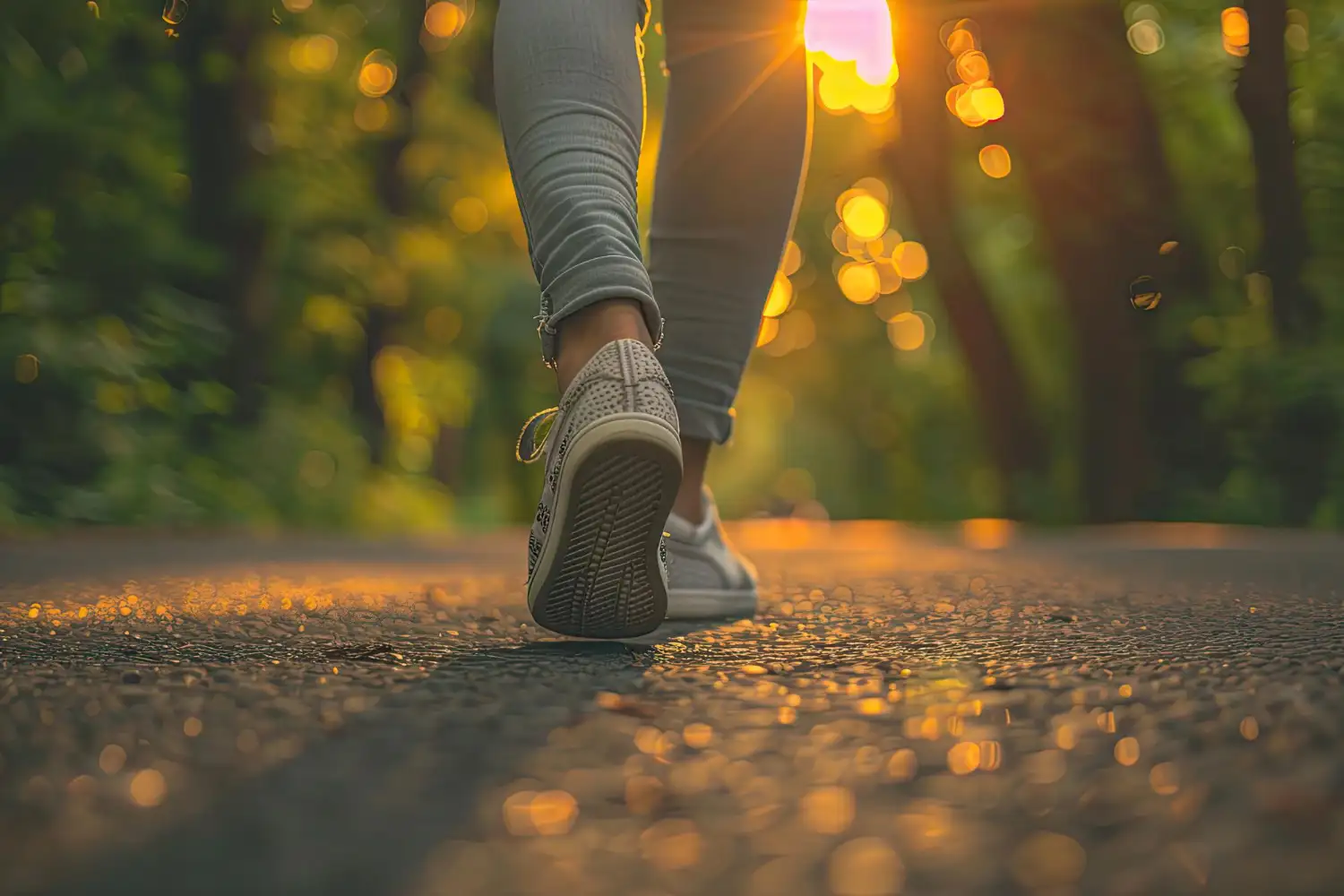
1. Boosts Energy Without Caffeine
Short walks act as a natural energy reset. When you move, blood circulation increases, delivering more oxygen and nutrients to the brain and muscles. This helps reduce afternoon fatigue and mental fog, often more effectively than another cup of coffee. Even a 5-10 minute walk can refresh alertness and improve productivity.
2. Supports Heart Health
Regular movement, even in small bursts, contributes to better cardiovascular function. Short walks help regulate blood pressure, improve circulation, and support healthy cholesterol levels over time. The cumulative effect of multiple walks across the day can be just as meaningful as one long session.
3. Helps Manage Blood Sugar Levels
Walking after meals is particularly beneficial. It assists the body in using glucose more efficiently, preventing sharp spikes in blood sugar. This is especially important for those looking to maintain steady energy levels or reduce the risk of metabolic issues.
4. Improves Mental Well-Being
Stepping away from screens and changing your environment has a calming effect on the mind. Short walks reduce stress hormones and encourage the release of endorphins, which naturally elevate mood. They also provide a mental break that can improve focus and creativity when you return to work.
5. Reduces the Risks of Prolonged Sitting
Extended sitting is linked to several health concerns, including back pain, poor posture, and reduced metabolic activity. Regular short walks interrupt this sedentary pattern, helping to keep joints flexible and muscles engaged throughout the day.
6. Encourages Consistency Over Intensity
One of the biggest advantages of short walks is their accessibility. They don’t require special planning or equipment, making them easier to sustain. When movement becomes a habit rather than a task, long-term health benefits naturally follow.
7. Enhances Digestion and Physical Comfort
Light walking after meals can aid digestion and reduce feelings of bloating or heaviness. It gently stimulates the digestive system, helping the body process food more efficiently.
Short walks may seem minor in isolation, but their impact builds over time. By weaving small bursts of movement into your daily routine, you support both physical and mental well-being in a sustainable, realistic way. It’s not about doing more at once, it’s about moving more often.
1. Boosts Energy Without Caffeine
Short walks act as a natural energy reset. When you move, blood circulation increases, delivering more oxygen and nutrients to the brain and muscles. This helps reduce afternoon fatigue and mental fog, often more effectively than another cup of coffee. Even a 5-10 minute walk can refresh alertness and improve productivity. 2. Supports Heart Health
Regular movement, even in small bursts, contributes to better cardiovascular function. Short walks help regulate blood pressure, improve circulation, and support healthy cholesterol levels over time. The cumulative effect of multiple walks across the day can be just as meaningful as one long session.You may also like
- Best proverb of the day: "The fish always stinks from the…" - a timeless lesson on leadership, accountability and where decay truly begins
- Meet Shreyanshu Rana and Pratham Pengawala: The Surat teens who turned their post-board exam break into a Rs 2 lakh coffee business
- Delhi weather may have more surprises in store over the coming days: What travellers need to know
- Group Captain Shubhanshu Shukla Launches Memoir on Historic Space Mission
- The Hidden Dangers of Makeup: Understanding Cancer Risks
3. Helps Manage Blood Sugar Levels
Walking after meals is particularly beneficial. It assists the body in using glucose more efficiently, preventing sharp spikes in blood sugar. This is especially important for those looking to maintain steady energy levels or reduce the risk of metabolic issues. 4. Improves Mental Well-Being
Stepping away from screens and changing your environment has a calming effect on the mind. Short walks reduce stress hormones and encourage the release of endorphins, which naturally elevate mood. They also provide a mental break that can improve focus and creativity when you return to work.5. Reduces the Risks of Prolonged Sitting
Extended sitting is linked to several health concerns, including back pain, poor posture, and reduced metabolic activity. Regular short walks interrupt this sedentary pattern, helping to keep joints flexible and muscles engaged throughout the day. 6. Encourages Consistency Over Intensity
One of the biggest advantages of short walks is their accessibility. They don’t require special planning or equipment, making them easier to sustain. When movement becomes a habit rather than a task, long-term health benefits naturally follow. 7. Enhances Digestion and Physical Comfort
Light walking after meals can aid digestion and reduce feelings of bloating or heaviness. It gently stimulates the digestive system, helping the body process food more efficiently. Short walks may seem minor in isolation, but their impact builds over time. By weaving small bursts of movement into your daily routine, you support both physical and mental well-being in a sustainable, realistic way. It’s not about doing more at once, it’s about moving more often.






More from our partners


Loving Newspoint? Download the app now
