
Foods That Help Maintain a Healthy Liver Naturally

Your liver is one of the hardest-working organs in your body. It helps remove toxins, processes nutrients, produces essential proteins, and supports digestion. While no single food can "detox" the liver, eating a balanced diet rich in nutrient-dense foods can help it function efficiently. Including liver-friendly foods in your daily meals may contribute to overall health and reduce the risk of fatty liver and other liver-related issues.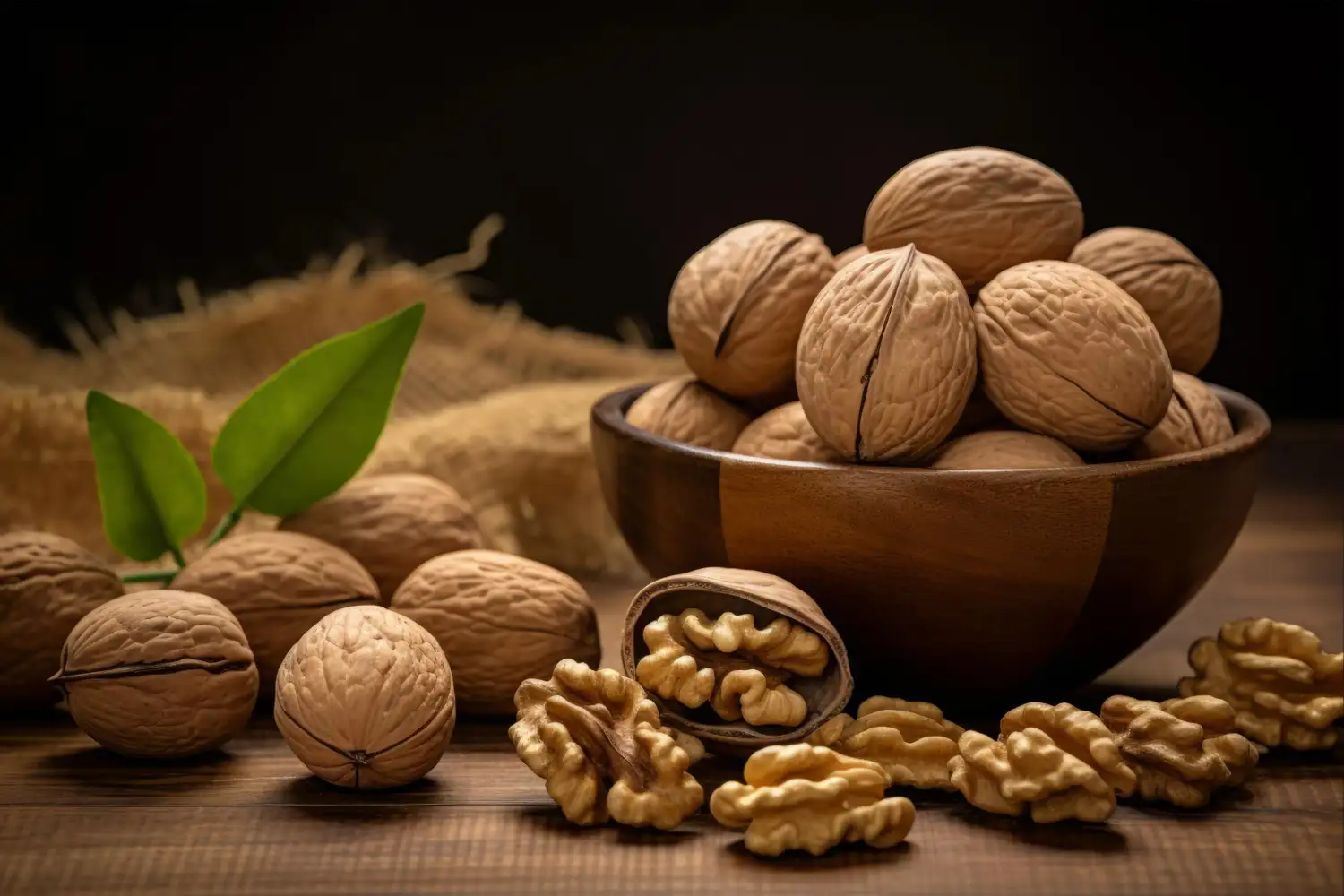
Leafy Greens
Spinach, kale, fenugreek leaves, and mustard greens are packed with antioxidants, vitamins, and chlorophyll. These nutrients help reduce oxidative stress and support the liver's natural detoxification processes. Enjoy them in salads, soups, or lightly cooked dishes.
Garlic
Garlic contains sulfur compounds that help activate liver enzymes involved in flushing out waste products. It also provides selenium, a mineral that supports antioxidant activity and protects liver cells from damage. Adding fresh garlic to everyday meals is an easy way to boost flavor and nutrition.
Beetroot
Beetroot is rich in betalains, natural antioxidants that help reduce inflammation and oxidative stress. It also contains nitrates that support healthy blood circulation, which may benefit overall liver function. Roast, juice, or grate beetroot into salads for a nutritious addition.
Fatty Fish
Fish such as salmon, sardines, and mackerel are excellent sources of omega-3 fatty acids. These healthy fats may help reduce liver fat, lower inflammation, and improve overall liver health. Aim to include fatty fish in your diet at least twice a week.
Berries
Blueberries, strawberries, raspberries, and blackberries are loaded with antioxidants called anthocyanins. These compounds help protect liver cells from oxidative damage and may support healthy liver function over time.
Green Tea
Green tea is rich in catechins, plant compounds known for their antioxidant properties. Drinking green tea in moderation may help reduce fat buildup in the liver and support overall liver health. Choose unsweetened varieties for maximum benefits.
Avocados
Avocados are packed with healthy monounsaturated fats, fiber, and antioxidants like glutathione precursors. These nutrients may help protect liver cells from damage while supporting healthy cholesterol levels.
Turmeric
Turmeric contains curcumin, a natural compound known for its anti-inflammatory and antioxidant effects. Adding turmeric to curries, soups, or warm milk can complement a healthy diet that supports liver wellness.
Citrus Fruits
Oranges, lemons, grapefruits, and other citrus fruits are rich in vitamin C and antioxidants. These nutrients help combat oxidative stress and support the body's natural defense systems. Fresh citrus fruits are a refreshing way to add nutrients to your meals.
Olive Oil
Extra virgin olive oil provides heart-healthy monounsaturated fats that may help reduce fat accumulation in the liver when used in place of saturated fats. Drizzle it over salads or use it for light cooking.
Whole Grains
Oats, brown rice, quinoa, and whole wheat provide fiber that supports digestion and helps maintain a healthy weight. Since excess body weight is a risk factor for fatty liver disease, whole grains play an important role in overall liver health.
Healthy Habits for a Healthy Liver
Diet is only one part of maintaining liver health. To keep your liver functioning well:
Supporting your liver doesn't require expensive supplements or restrictive diets. A nutrient-rich eating pattern that includes leafy greens, berries, fatty fish, walnuts, garlic, turmeric, and whole grains can help your liver perform its many essential functions. Combined with regular exercise, adequate hydration, and healthy lifestyle habits, these foods contribute to long-term liver health and overall well-being.
Leafy Greens
Spinach, kale, fenugreek leaves, and mustard greens are packed with antioxidants, vitamins, and chlorophyll. These nutrients help reduce oxidative stress and support the liver's natural detoxification processes. Enjoy them in salads, soups, or lightly cooked dishes. Garlic
Garlic contains sulfur compounds that help activate liver enzymes involved in flushing out waste products. It also provides selenium, a mineral that supports antioxidant activity and protects liver cells from damage. Adding fresh garlic to everyday meals is an easy way to boost flavor and nutrition.Beetroot
Beetroot is rich in betalains, natural antioxidants that help reduce inflammation and oxidative stress. It also contains nitrates that support healthy blood circulation, which may benefit overall liver function. Roast, juice, or grate beetroot into salads for a nutritious addition. Fatty Fish
Fish such as salmon, sardines, and mackerel are excellent sources of omega-3 fatty acids. These healthy fats may help reduce liver fat, lower inflammation, and improve overall liver health. Aim to include fatty fish in your diet at least twice a week.You may also like
- UPI Tax: Tax to be levied on digital payments above ₹2,000; government preparing new rules
- Business Ideas for Villages: Start these 20 businesses in your village; the 16th one is packed with entertainment and promises huge earnings.
- FD Rates: Big Gains for Senior Citizens as 9 Banks Offer High FD Interest Rates. Check the full list for the best returns.
- Understanding Respiratory Infections During Monsoon: Symptoms and Prevention
- Why Airplane Window Shades Must Be Opened During Takeoff and Landing
Walnuts
Walnuts provide healthy fats, vitamin E, and plant-based omega-3 fatty acids. They may help reduce inflammation and improve liver enzyme levels when eaten as part of a balanced diet. A small handful makes a healthy snack.Berries
Blueberries, strawberries, raspberries, and blackberries are loaded with antioxidants called anthocyanins. These compounds help protect liver cells from oxidative damage and may support healthy liver function over time. Green Tea
Green tea is rich in catechins, plant compounds known for their antioxidant properties. Drinking green tea in moderation may help reduce fat buildup in the liver and support overall liver health. Choose unsweetened varieties for maximum benefits. Avocados
Avocados are packed with healthy monounsaturated fats, fiber, and antioxidants like glutathione precursors. These nutrients may help protect liver cells from damage while supporting healthy cholesterol levels.Turmeric
Turmeric contains curcumin, a natural compound known for its anti-inflammatory and antioxidant effects. Adding turmeric to curries, soups, or warm milk can complement a healthy diet that supports liver wellness. Citrus Fruits
Oranges, lemons, grapefruits, and other citrus fruits are rich in vitamin C and antioxidants. These nutrients help combat oxidative stress and support the body's natural defense systems. Fresh citrus fruits are a refreshing way to add nutrients to your meals. Olive Oil
Extra virgin olive oil provides heart-healthy monounsaturated fats that may help reduce fat accumulation in the liver when used in place of saturated fats. Drizzle it over salads or use it for light cooking. Whole Grains
Oats, brown rice, quinoa, and whole wheat provide fiber that supports digestion and helps maintain a healthy weight. Since excess body weight is a risk factor for fatty liver disease, whole grains play an important role in overall liver health. Healthy Habits for a Healthy Liver
Diet is only one part of maintaining liver health. To keep your liver functioning well: - Eat a balanced diet rich in fruits, vegetables, whole grains, and lean protein.
- Stay hydrated throughout the day.
- Limit processed foods, sugary drinks, and excessive alcohol.
- Exercise regularly to maintain a healthy weight.
- Avoid smoking and unnecessary use of medications without medical advice.
Supporting your liver doesn't require expensive supplements or restrictive diets. A nutrient-rich eating pattern that includes leafy greens, berries, fatty fish, walnuts, garlic, turmeric, and whole grains can help your liver perform its many essential functions. Combined with regular exercise, adequate hydration, and healthy lifestyle habits, these foods contribute to long-term liver health and overall well-being.






Loving Newspoint? Download the app now
