
Eat These Foods to Stay Healthy During Monsoon

The rainy season brings welcome relief from the heat, but it also increases the risk of infections, digestive issues, and seasonal illnesses. A slight change in your diet can help strengthen your immunity and keep your body healthy during monsoon. Choosing freshly cooked, warm, and nutrient-rich foods is one of the best ways to enjoy the season without compromising your health. Here are some of the best foods to include in your monsoon diet .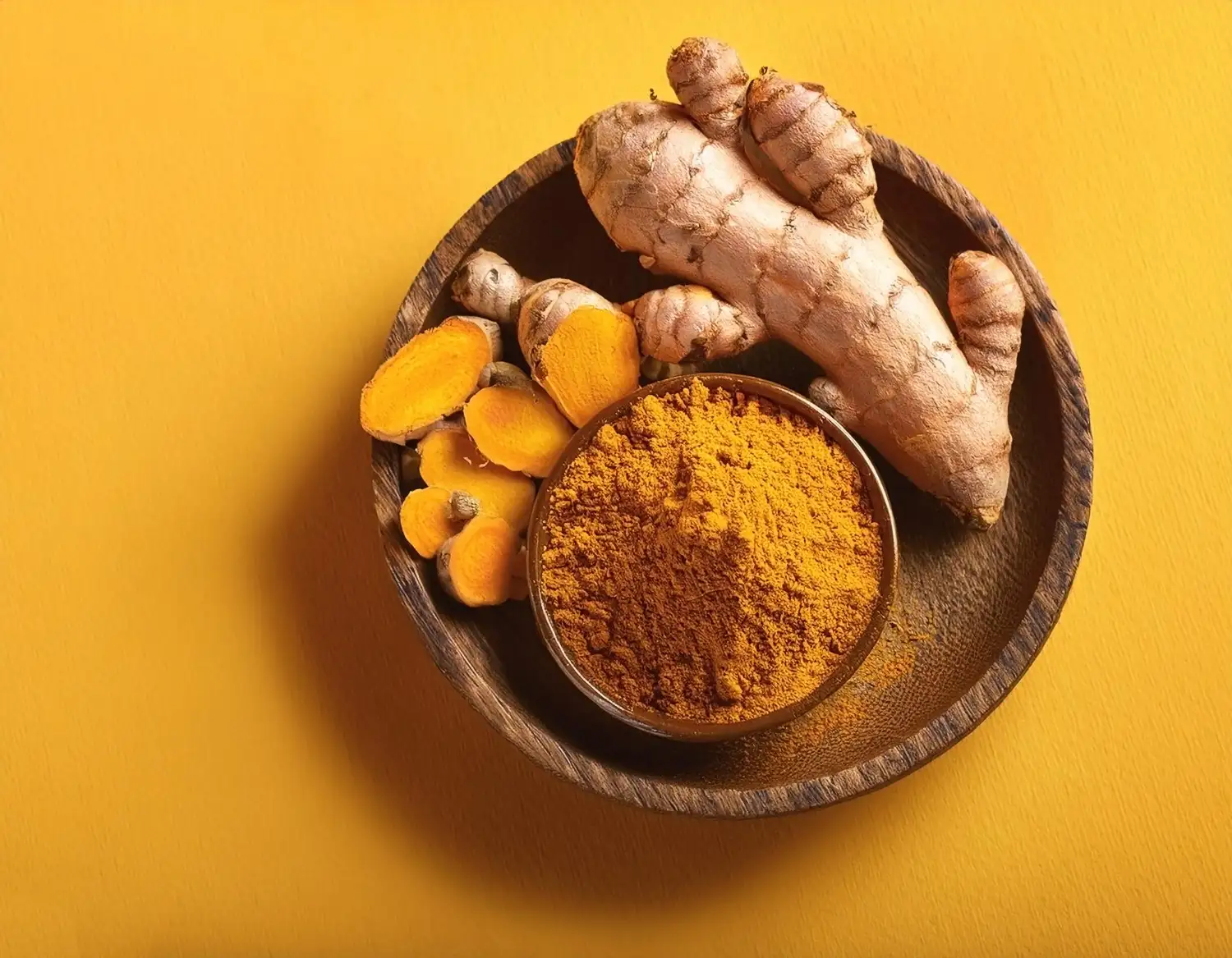
1. Ginger
Ginger is a monsoon superfood known for its anti-inflammatory and antibacterial properties. It helps improve digestion, reduces bloating, and may provide relief from sore throats and colds. Add fresh ginger to tea, soups, or curries for a comforting boost.
2. Turmeric
Turmeric contains curcumin, a powerful antioxidant with anti-inflammatory benefits. It can help support immunity and fight seasonal infections. Add turmeric to vegetables, lentils, soups, or enjoy a warm glass of turmeric milk before bedtime.
3. Seasonal Fruits
Fruits such as pomegranates, pears, apples, and plums are excellent choices during the rainy season. They are rich in vitamins, minerals, and antioxidants that help strengthen the immune system. Always wash fruits thoroughly before eating.
4. Steamed Vegetables
Steamed vegetables are easy to digest and retain most of their nutrients. Carrots, beans, bottle gourd, pumpkin, and spinach make healthy additions to your meals. Cooking vegetables properly also helps reduce the risk of foodborne illnesses.
5. Soups
A bowl of warm vegetable or lentil soup is both comforting and nutritious during rainy days. Soups help keep you hydrated while providing essential vitamins and minerals. You can also add herbs like coriander and black pepper for extra flavour.
6. Yogurt (In Moderation)
Fresh yogurt contains probiotics that support gut health and digestion. If you don't have a cold or throat infection, enjoy yogurt during the daytime. Avoid consuming chilled yogurt late in the evening during the monsoon.
7. Garlic
Garlic is packed with natural antimicrobial compounds that may help the body fight infections. It also supports heart health and adds rich flavour to meals. Include fresh garlic in curries, soups, or stir-fries.
8. Whole Grains
Whole grains like oats, brown rice, millets, and whole wheat provide steady energy and are rich in fibre. They help maintain healthy digestion and keep you feeling full for longer, making them a smart choice during the rainy season.
9. Herbal Tea
Herbal teas made with tulsi, ginger, cinnamon, or lemongrass can help soothe the throat and keep you warm. These drinks also offer antioxidants that support overall wellness during changing weather.
10. Lentils and Moong Dal
Protein-rich lentils and moong dal are easy to digest and provide essential nutrients. They make light yet satisfying meals, especially when prepared as soups, khichdi, or simple dals.
Monsoon Eating Tips
The rainy season is the perfect time to nourish your body with warm, wholesome, and immunity-supporting foods. Ingredients like ginger, turmeric, garlic, soups, seasonal fruits, and whole grains can help you stay healthy while enjoying the pleasant weather. Pair these healthy eating habits with proper hydration and good hygiene for a safe and enjoyable monsoon.
1. Ginger
Ginger is a monsoon superfood known for its anti-inflammatory and antibacterial properties. It helps improve digestion, reduces bloating, and may provide relief from sore throats and colds. Add fresh ginger to tea, soups, or curries for a comforting boost. 2. Turmeric
Turmeric contains curcumin, a powerful antioxidant with anti-inflammatory benefits. It can help support immunity and fight seasonal infections. Add turmeric to vegetables, lentils, soups, or enjoy a warm glass of turmeric milk before bedtime.3. Seasonal Fruits
Fruits such as pomegranates, pears, apples, and plums are excellent choices during the rainy season. They are rich in vitamins, minerals, and antioxidants that help strengthen the immune system. Always wash fruits thoroughly before eating. 4. Steamed Vegetables
Steamed vegetables are easy to digest and retain most of their nutrients. Carrots, beans, bottle gourd, pumpkin, and spinach make healthy additions to your meals. Cooking vegetables properly also helps reduce the risk of foodborne illnesses.You may also like
- Home Buying Tips: It's not just the price of the house; you may have to pay lakhs even after registration—know the full cost before buying.
- Pitbull fans shave their heads after record-breaking concert to win huge prize
- Major move by the Election Commission: SIR forms can now be submitted online from anywhere; casting a vote becomes easier.
- Alia Bhatt just wore a Banarasi saree with a twist, and it's unlike the usual festive drape
- Can Monsoon Weather Affect Your Oral Health? Signs, Risks, and Dental Care Tips
5. Soups
A bowl of warm vegetable or lentil soup is both comforting and nutritious during rainy days. Soups help keep you hydrated while providing essential vitamins and minerals. You can also add herbs like coriander and black pepper for extra flavour. 6. Yogurt (In Moderation)
Fresh yogurt contains probiotics that support gut health and digestion. If you don't have a cold or throat infection, enjoy yogurt during the daytime. Avoid consuming chilled yogurt late in the evening during the monsoon. 7. Garlic
Garlic is packed with natural antimicrobial compounds that may help the body fight infections. It also supports heart health and adds rich flavour to meals. Include fresh garlic in curries, soups, or stir-fries. 8. Whole Grains
Whole grains like oats, brown rice, millets, and whole wheat provide steady energy and are rich in fibre. They help maintain healthy digestion and keep you feeling full for longer, making them a smart choice during the rainy season.9. Herbal Tea
Herbal teas made with tulsi, ginger, cinnamon, or lemongrass can help soothe the throat and keep you warm. These drinks also offer antioxidants that support overall wellness during changing weather. 10. Lentils and Moong Dal
Protein-rich lentils and moong dal are easy to digest and provide essential nutrients. They make light yet satisfying meals, especially when prepared as soups, khichdi, or simple dals. Monsoon Eating Tips
- Eat freshly prepared, home-cooked meals whenever possible.
- Wash fruits and vegetables thoroughly before use.
- Avoid raw street food, uncovered snacks, and stale leftovers.
- Drink clean, filtered, or boiled water to reduce the risk of waterborne diseases.
- Limit oily, fried, and overly spicy foods, as they may affect digestion.
The rainy season is the perfect time to nourish your body with warm, wholesome, and immunity-supporting foods. Ingredients like ginger, turmeric, garlic, soups, seasonal fruits, and whole grains can help you stay healthy while enjoying the pleasant weather. Pair these healthy eating habits with proper hydration and good hygiene for a safe and enjoyable monsoon.






Loving Newspoint? Download the app now
