
Best Green Vegetables to Add to Your Weekly Menu

Leafy greens are among the healthiest foods you can include in your daily diet. Packed with vitamins, minerals, antioxidants, and fiber, they help support overall health while adding fresh flavors and vibrant colors to your meals. Whether blended into smoothies, tossed into salads, or cooked in soups and stir-fries, leafy greens are versatile and easy to enjoy.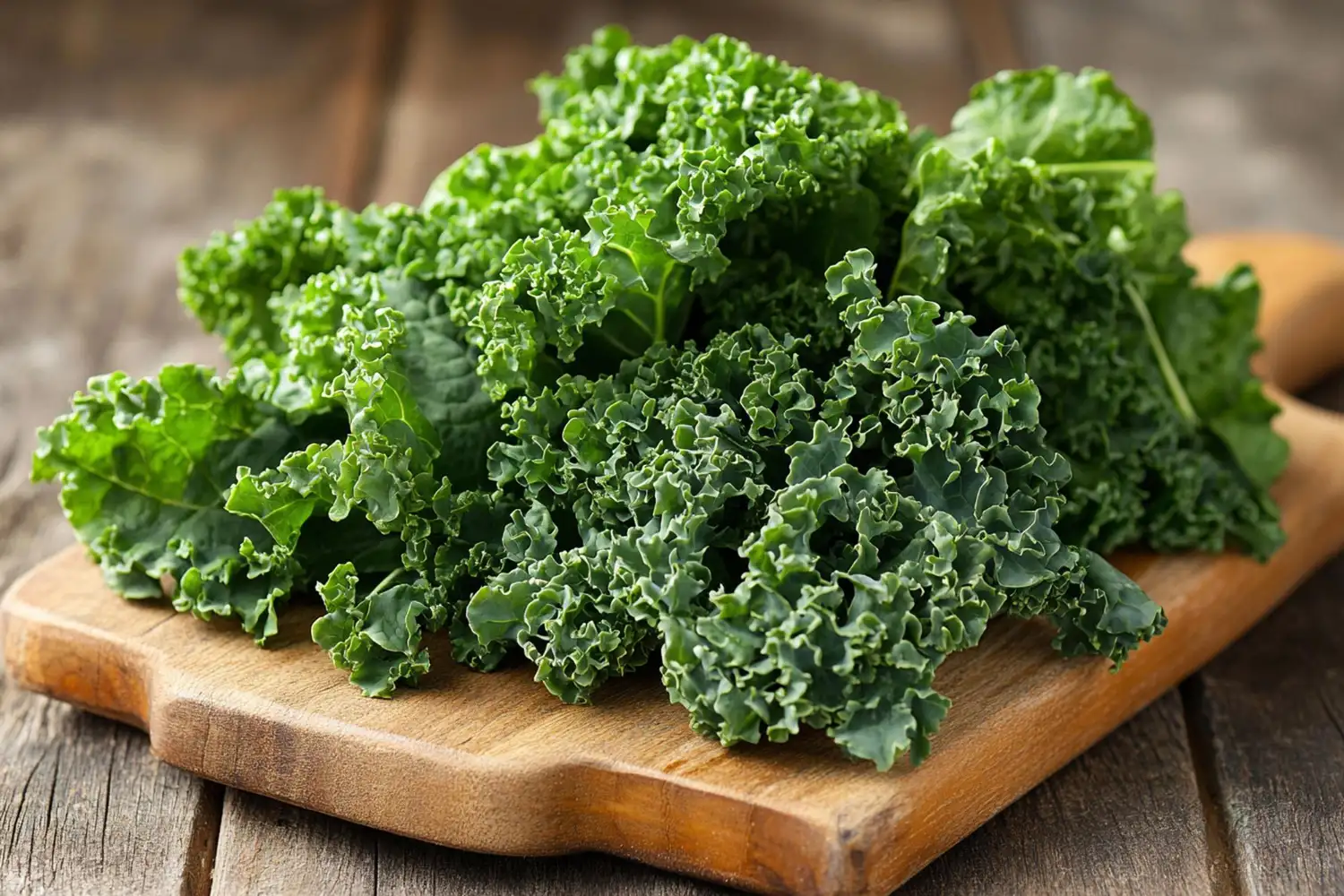
Here are some of the best leafy greens to include in your everyday meals.
Spinach
Spinach is one of the most popular leafy greens thanks to its mild taste and impressive nutritional value. It is rich in iron, folate, vitamins A, C, and K, along with antioxidants that support eye health and immunity.
You can enjoy spinach fresh in salads, blend it into smoothies, add it to omelets, or cook it in curries, pasta, and soups.
Kale
Often called a superfood, kale is loaded with vitamins A, C, and K, calcium, and powerful antioxidants. Its slightly earthy flavor works well in both raw and cooked dishes.
Massage raw kale with a little olive oil for salads, bake it into crispy chips, or stir it into soups, stews, and pasta.
Lettuce
Lettuce is a refreshing addition to everyday meals. Varieties like romaine, butterhead, and green leaf lettuce provide fiber, folate, and vitamins A and K while keeping meals light and hydrating.
Use lettuce in salads, wraps, sandwiches, and burgers for added crunch and freshness.
Fenugreek Leaves (Methi)
Fenugreek leaves are widely used in Indian cooking and offer a slightly bitter yet delicious flavor. They contain iron, fiber, calcium, and antioxidants that may help support digestion and blood sugar management.
Methi works well in parathas, dals, curries, and vegetable stir-fries.
Mustard Greens
Mustard greens have a peppery taste and are packed with vitamins A, C, and K, along with calcium and antioxidants. Cooking helps soften their bold flavor while retaining much of their nutritional value.
They are commonly used in stir-fries, soups, and traditional dishes like sarson ka saag.
Swiss Chard
Swiss chard stands out with its colorful stems and nutrient-rich leaves. It provides magnesium, potassium, vitamins A, C, and K, making it a great addition to a balanced diet.
Saute Swiss chard with garlic, add it to pasta, or mix it into grain bowls and soups.
Arugula
Arugula has a distinctive peppery taste that adds flavor to simple dishes. It is rich in vitamins A, C, and K while being low in calories.
Use arugula in salads, sandwiches, homemade pizzas, or as a topping for grilled vegetables.
Bok Choy
Popular in Asian cuisine, bok choy is an excellent source of vitamins A, C, and K, along with calcium and potassium. It has crisp stems and tender leaves that cook quickly.
Add bok choy to stir-fries, noodle dishes, soups, or steam it as a healthy side dish.
Cabbage
Although often overlooked, cabbage is a nutrient-dense leafy vegetable rich in fiber, vitamin C, and antioxidants. Both green and purple varieties offer valuable health benefits.
Enjoy cabbage in salads, slaws, soups, stir-fries, or lightly sautéed with spices.
Amaranth Leaves
Amaranth leaves are widely consumed in many parts of India and are rich in iron, calcium, vitamin C, and dietary fiber. They support healthy digestion and overall nutrition.
Cook them as a simple stir-fry, mix them into dal, or prepare them with lentils and spices.
Tips for Including More Leafy Greens
Leafy greens are an easy and nutritious way to improve your everyday meals. From spinach and kale to methi and amaranth leaves, each variety offers unique health benefits and delicious flavors. Including a mix of these greens in your weekly menu can help boost your intake of essential vitamins, minerals, and fiber while making meals healthier and more satisfying.
Here are some of the best leafy greens to include in your everyday meals.
Spinach
Spinach is one of the most popular leafy greens thanks to its mild taste and impressive nutritional value. It is rich in iron, folate, vitamins A, C, and K, along with antioxidants that support eye health and immunity.You can enjoy spinach fresh in salads, blend it into smoothies, add it to omelets, or cook it in curries, pasta, and soups.
Kale
Often called a superfood, kale is loaded with vitamins A, C, and K, calcium, and powerful antioxidants. Its slightly earthy flavor works well in both raw and cooked dishes.Massage raw kale with a little olive oil for salads, bake it into crispy chips, or stir it into soups, stews, and pasta.
Lettuce
Lettuce is a refreshing addition to everyday meals. Varieties like romaine, butterhead, and green leaf lettuce provide fiber, folate, and vitamins A and K while keeping meals light and hydrating. Use lettuce in salads, wraps, sandwiches, and burgers for added crunch and freshness.
Fenugreek Leaves (Methi)
Fenugreek leaves are widely used in Indian cooking and offer a slightly bitter yet delicious flavor. They contain iron, fiber, calcium, and antioxidants that may help support digestion and blood sugar management.Methi works well in parathas, dals, curries, and vegetable stir-fries.
Mustard Greens
Mustard greens have a peppery taste and are packed with vitamins A, C, and K, along with calcium and antioxidants. Cooking helps soften their bold flavor while retaining much of their nutritional value. They are commonly used in stir-fries, soups, and traditional dishes like sarson ka saag.
Swiss Chard
Swiss chard stands out with its colorful stems and nutrient-rich leaves. It provides magnesium, potassium, vitamins A, C, and K, making it a great addition to a balanced diet. Saute Swiss chard with garlic, add it to pasta, or mix it into grain bowls and soups.
You may also like
- Scientists are racing to save a coral before it's gone: Why is elkhorn coral so special?
- In 1945, these trees survived the Hiroshima atomic bomb and are still alive today
- Exploring Adventure Tourism in India: A Journey Beyond Landmarks
- Essential Dental Care Tips for Seasonal Sensitivity
- Essential Monsoon Safety Tips for Expecting Mothers
Arugula
Arugula has a distinctive peppery taste that adds flavor to simple dishes. It is rich in vitamins A, C, and K while being low in calories. Use arugula in salads, sandwiches, homemade pizzas, or as a topping for grilled vegetables.
Bok Choy
Popular in Asian cuisine, bok choy is an excellent source of vitamins A, C, and K, along with calcium and potassium. It has crisp stems and tender leaves that cook quickly. Add bok choy to stir-fries, noodle dishes, soups, or steam it as a healthy side dish.
Cabbage
Although often overlooked, cabbage is a nutrient-dense leafy vegetable rich in fiber, vitamin C, and antioxidants. Both green and purple varieties offer valuable health benefits.Enjoy cabbage in salads, slaws, soups, stir-fries, or lightly sautéed with spices.
Amaranth Leaves
Amaranth leaves are widely consumed in many parts of India and are rich in iron, calcium, vitamin C, and dietary fiber. They support healthy digestion and overall nutrition. Cook them as a simple stir-fry, mix them into dal, or prepare them with lentils and spices.
Tips for Including More Leafy Greens
- Add spinach or kale to your morning smoothie.
- Include lettuce or arugula in sandwiches and wraps.
- Mix leafy greens into soups, curries, and pasta sauces.
- Stir chopped greens into scrambled eggs or omelets.
- Prepare fresh salads with a variety of greens throughout the week.
- Rotate different leafy greens to enjoy a wider range of nutrients.
Leafy greens are an easy and nutritious way to improve your everyday meals. From spinach and kale to methi and amaranth leaves, each variety offers unique health benefits and delicious flavors. Including a mix of these greens in your weekly menu can help boost your intake of essential vitamins, minerals, and fiber while making meals healthier and more satisfying.






Loving Newspoint? Download the app now
