
How to Protect and Nourish Your Garden During the Monsoon

The rainy season brings relief from the summer heat and gives gardens a fresh, green look. While many plants flourish during the monsoon, excessive rain, poor drainage, and increased pest activity can also create problems. With the right care, you can keep your garden healthy and vibrant throughout the season. Here are some essential monsoon gardening tips every plant lover should follow.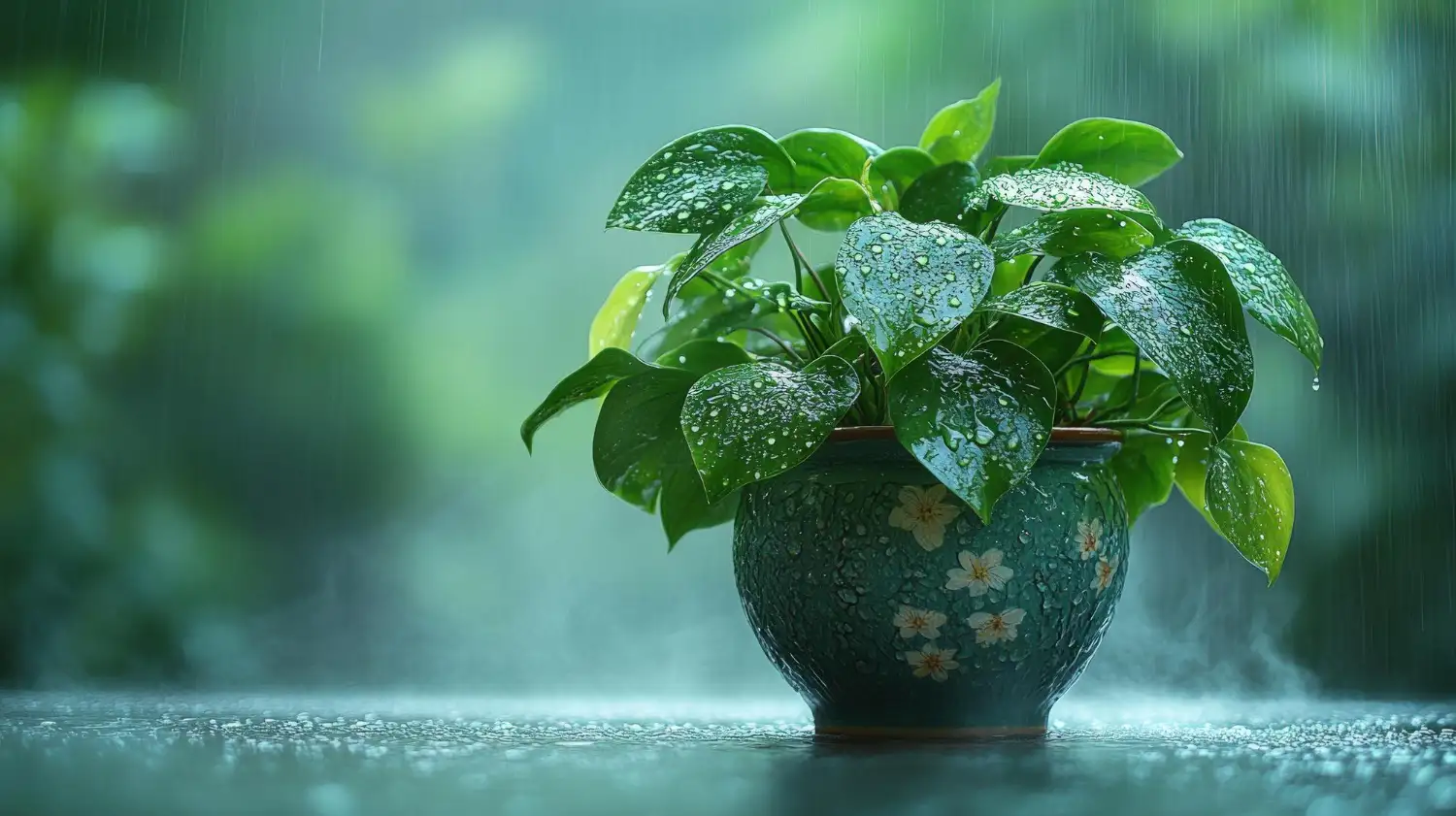
Ensure Proper Drainage
Too much water can be harmful to plants. Waterlogged soil prevents roots from getting enough oxygen, leading to root rot and fungal diseases. Make sure your pots have drainage holes and remove any standing water from the garden after heavy rain. If needed, raise pots slightly using pot stands to improve drainage.
Avoid Overwatering
Rain often provides enough moisture for your plants. Before watering, check the soil by inserting your finger about an inch deep. If the soil feels damp, skip watering. Overwatering can weaken roots and encourage fungal infections.
Trim Dead Leaves and Branches
Regular pruning is important during the monsoon. Remove yellow, damaged, or diseased leaves and trim overgrown branches. This improves air circulation, reduces the risk of fungal growth, and helps plants focus their energy on healthy growth.
Watch Out for Pests
The humid weather creates ideal conditions for pests like snails, slugs, aphids, mealybugs, and caterpillars. Inspect your plants regularly and remove pests by hand when possible. You can also use natural pest control methods such as neem oil spray to keep infestations under control.
Prevent Fungal Diseases
High humidity encourages fungal infections like powdery mildew and leaf spots. Avoid wetting the leaves while watering and maintain enough space between plants for better airflow. Remove infected leaves immediately to stop the disease from spreading.
Add Organic Fertilizer
Monsoon is a good time to feed plants with organic compost or well-rotted manure. These natural fertilizers improve soil fertility and support healthy growth. Avoid using excessive chemical fertilizers during heavy rains, as nutrients may get washed away.
Control Weed Growth
Weeds grow rapidly during the rainy season and compete with plants for nutrients and water. Remove weeds regularly to keep your garden neat and allow your plants to grow without competition.
Support Tall and Climbing Plants
Strong winds and heavy rainfall can damage taller plants. Use stakes, bamboo sticks, or plant supports to keep them upright. Climbing plants should be tied gently to trellises for added stability.
Clean Pots and Garden Area
Fallen leaves, broken branches, and stagnant water can attract insects and diseases. Keep your garden clean by removing debris regularly. A tidy garden also improves airflow and reduces the chances of pest infestations.
Choose Monsoon-Friendly Plants
If you're planning to add new plants, select varieties that thrive during the rainy season. Ferns, peace lilies, coleus, caladiums, balsam, rain lilies, and hibiscus generally perform well in monsoon conditions with proper care.
The monsoon can be one of the most rewarding seasons for gardeners when plants receive the right care. Paying attention to drainage, pest control, pruning, and soil health can help your garden stay lush and disease-free. A little extra maintenance during the rainy season will ensure your plants remain healthy, beautiful, and ready to bloom long after the rains have passed.
Ensure Proper Drainage
Too much water can be harmful to plants. Waterlogged soil prevents roots from getting enough oxygen, leading to root rot and fungal diseases. Make sure your pots have drainage holes and remove any standing water from the garden after heavy rain. If needed, raise pots slightly using pot stands to improve drainage. Avoid Overwatering
Rain often provides enough moisture for your plants. Before watering, check the soil by inserting your finger about an inch deep. If the soil feels damp, skip watering. Overwatering can weaken roots and encourage fungal infections.Trim Dead Leaves and Branches
Regular pruning is important during the monsoon. Remove yellow, damaged, or diseased leaves and trim overgrown branches. This improves air circulation, reduces the risk of fungal growth, and helps plants focus their energy on healthy growth. Watch Out for Pests
The humid weather creates ideal conditions for pests like snails, slugs, aphids, mealybugs, and caterpillars. Inspect your plants regularly and remove pests by hand when possible. You can also use natural pest control methods such as neem oil spray to keep infestations under control.You may also like
- Electricity Bill: Electricity to get costlier in Delhi; companies to levy surcharge, bills set to rise
- Queues reminiscent of demonetization days likely at ATMs! Cash crunch looms; major strike announced.
- Aadhaar App: Haven't changed your Aadhaar app PIN in a long time? UIDAI advises changing it and explains why it is necessary..
- Home Buying Tips: It's not just the price of the house; you may have to pay lakhs even after registration—know the full cost before buying.
- Pitbull fans shave their heads after record-breaking concert to win huge prize
Prevent Fungal Diseases
High humidity encourages fungal infections like powdery mildew and leaf spots. Avoid wetting the leaves while watering and maintain enough space between plants for better airflow. Remove infected leaves immediately to stop the disease from spreading. Add Organic Fertilizer
Monsoon is a good time to feed plants with organic compost or well-rotted manure. These natural fertilizers improve soil fertility and support healthy growth. Avoid using excessive chemical fertilizers during heavy rains, as nutrients may get washed away. Control Weed Growth
Weeds grow rapidly during the rainy season and compete with plants for nutrients and water. Remove weeds regularly to keep your garden neat and allow your plants to grow without competition. Support Tall and Climbing Plants
Strong winds and heavy rainfall can damage taller plants. Use stakes, bamboo sticks, or plant supports to keep them upright. Climbing plants should be tied gently to trellises for added stability.Clean Pots and Garden Area
Fallen leaves, broken branches, and stagnant water can attract insects and diseases. Keep your garden clean by removing debris regularly. A tidy garden also improves airflow and reduces the chances of pest infestations. Choose Monsoon-Friendly Plants
If you're planning to add new plants, select varieties that thrive during the rainy season. Ferns, peace lilies, coleus, caladiums, balsam, rain lilies, and hibiscus generally perform well in monsoon conditions with proper care. The monsoon can be one of the most rewarding seasons for gardeners when plants receive the right care. Paying attention to drainage, pest control, pruning, and soil health can help your garden stay lush and disease-free. A little extra maintenance during the rainy season will ensure your plants remain healthy, beautiful, and ready to bloom long after the rains have passed.






Loving Newspoint? Download the app now
