
How to Protect and Nourish Your Garden During the Monsoon

The rainy season brings relief from the summer heat and gives gardens a fresh, green look. While many plants flourish during the monsoon, excessive rain, poor drainage, and increased pest activity can also create problems. With the right care, you can keep your garden healthy and vibrant throughout the season. Here are some essential monsoon gardening tips every plant lover should follow.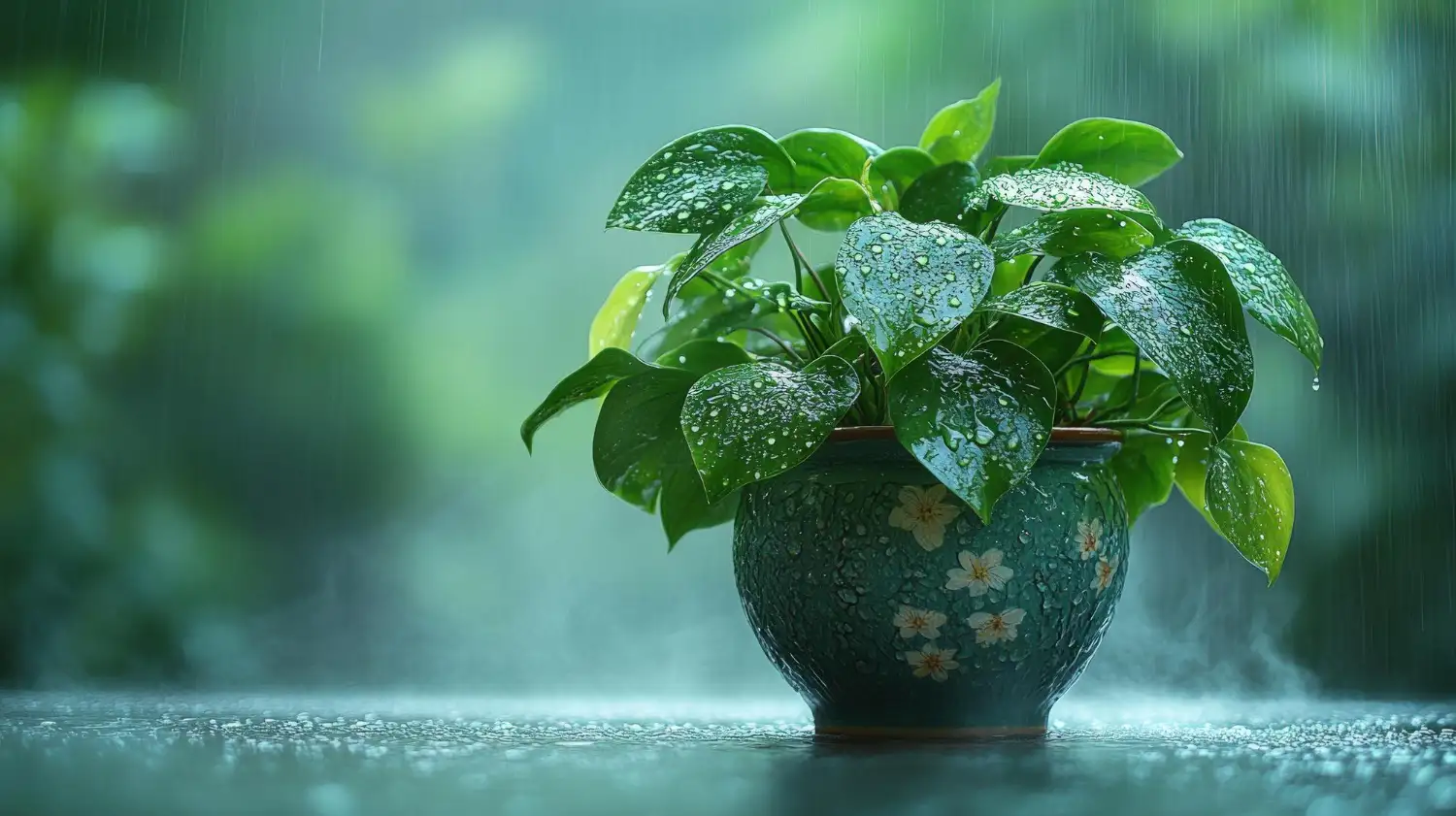
Ensure Proper Drainage
Too much water can be harmful to plants. Waterlogged soil prevents roots from getting enough oxygen, leading to root rot and fungal diseases. Make sure your pots have drainage holes and remove any standing water from the garden after heavy rain. If needed, raise pots slightly using pot stands to improve drainage.
Avoid Overwatering
Rain often provides enough moisture for your plants. Before watering, check the soil by inserting your finger about an inch deep. If the soil feels damp, skip watering. Overwatering can weaken roots and encourage fungal infections.
Trim Dead Leaves and Branches
Regular pruning is important during the monsoon. Remove yellow, damaged, or diseased leaves and trim overgrown branches. This improves air circulation, reduces the risk of fungal growth, and helps plants focus their energy on healthy growth.
Watch Out for Pests
The humid weather creates ideal conditions for pests like snails, slugs, aphids, mealybugs, and caterpillars. Inspect your plants regularly and remove pests by hand when possible. You can also use natural pest control methods such as neem oil spray to keep infestations under control.
Ensure Proper Drainage
Too much water can be harmful to plants. Waterlogged soil prevents roots from getting enough oxygen, leading to root rot and fungal diseases. Make sure your pots have drainage holes and remove any standing water from the garden after heavy rain. If needed, raise pots slightly using pot stands to improve drainage. Avoid Overwatering
Rain often provides enough moisture for your plants. Before watering, check the soil by inserting your finger about an inch deep. If the soil feels damp, skip watering. Overwatering can weaken roots and encourage fungal infections.Trim Dead Leaves and Branches
Regular pruning is important during the monsoon. Remove yellow, damaged, or diseased leaves and trim overgrown branches. This improves air circulation, reduces the risk of fungal growth, and helps plants focus their energy on healthy growth. Watch Out for Pests
The humid weather creates ideal conditions for pests like snails, slugs, aphids, mealybugs, and caterpillars. Inspect your plants regularly and remove pests by hand when possible. You can also use natural pest control methods such as neem oil spray to keep infestations under control.Next Story