
Coffee or Matcha: Which Is the Better Morning Drink?

The morning beverage debate often comes down to two popular choices: coffee and matcha. Both are enjoyed worldwide for their ability to boost alertness and help people start the day with energy. While coffee has long been a breakfast staple, matcha has gained popularity among health-conscious consumers. But which one is the better morning drink? The answer depends on your lifestyle, preferences, and how your body responds to caffeine.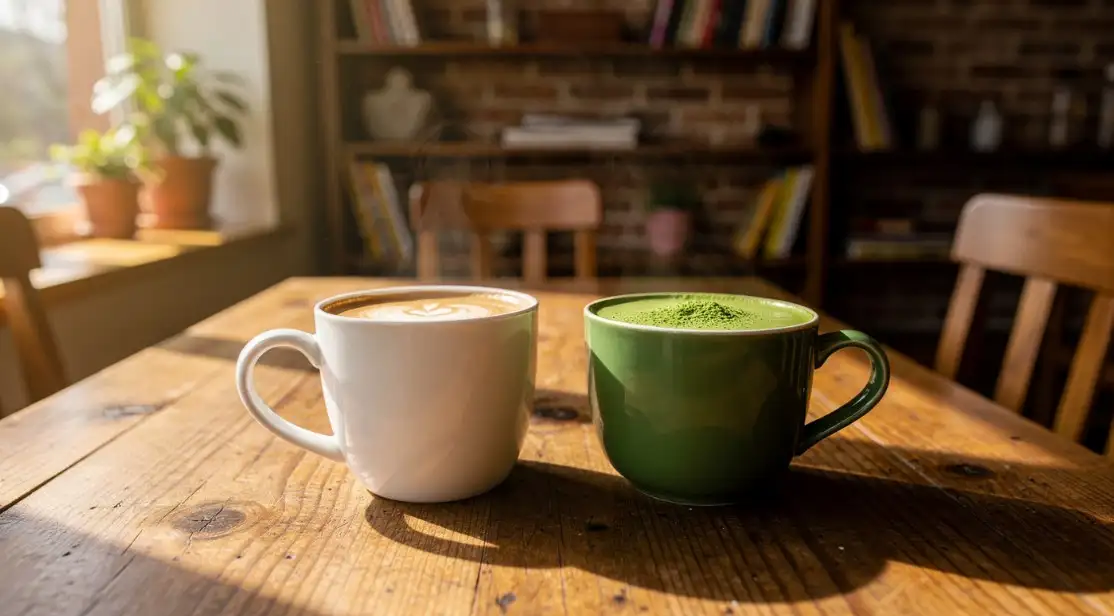
Understanding Coffee and Matcha
Coffee is made by brewing roasted coffee beans, resulting in a rich and aromatic drink that contains caffeine and various plant compounds. Matcha, on the other hand, is a finely ground powder made from specially grown green tea leaves. Unlike regular green tea, matcha involves consuming the entire leaf, which provides a concentrated source of nutrients and antioxidants.
Caffeine Content: The Energy Factor
One of the biggest reasons people reach for coffee or matcha in the morning is caffeine. A typical cup of coffee generally contains more caffeine than a serving of matcha. This often leads to a faster and stronger energy boost, making coffee a favorite among those who need an immediate wake-up call.
Matcha contains less caffeine but still provides a noticeable lift. The caffeine in matcha is released more gradually, which may help some people feel energized without the sudden spike that coffee can sometimes produce.
Sustained Alertness vs. Quick Boost
Coffee is known for delivering rapid alertness, which can be especially helpful during busy mornings or after a poor night's sleep. However, some individuals may experience a sudden drop in energy later.
Matcha contains a naturally occurring amino acid called L-theanine. Research suggests that L-theanine may promote a state of calm alertness when consumed alongside caffeine. As a result, many matcha drinkers report feeling focused and energized without feeling overstimulated.
Antioxidant Benefits
Both beverages contain antioxidants, but matcha is particularly rich in catechins, a group of beneficial plant compounds found in green tea. Because the entire tea leaf is consumed, matcha provides higher concentrations of these compounds compared to traditional brewed green tea.
Coffee also contains antioxidants and has been associated with various health benefits when consumed in moderation. Both drinks can contribute to an antioxidant-rich diet.
Impact on Digestion
For some people, coffee can stimulate digestion and bowel movements, which may be beneficial in the morning. However, coffee's acidity may cause stomach discomfort, acid reflux, or irritation in sensitive individuals.
Matcha is generally less acidic than coffee and may be a gentler option for those who experience digestive discomfort after drinking coffee. Individual responses can vary, however.
Taste and Experience
Coffee offers bold, roasted flavors that range from nutty and chocolatey to fruity and bright, depending on the beans and brewing method. It is often enjoyed black or with milk.
Matcha has a distinctive earthy, grassy flavor with a slightly sweet and creamy texture when prepared properly. Its unique taste may take some getting used to for first-time drinkers.
Which One Supports Better Focus?
Both coffee and matcha can support concentration thanks to their caffeine content. Coffee may provide a sharper burst of mental alertness, while matcha's combination of caffeine and L-theanine may help maintain focus over a longer period. The better choice often depends on whether you prefer an immediate boost or a steadier sense of alertness.
Choosing the Right Drink for You
Coffee may be a better option if:
There is no universal winner in the coffee-versus-matcha debate. Both beverages can be healthy additions to a balanced lifestyle when consumed in moderation. Coffee offers a stronger caffeine kick and rich flavor, while matcha provides a more gradual energy boost along with unique plant compounds. Ultimately, the best morning drink is the one that fits your taste, routine, and personal wellness goals.
Understanding Coffee and Matcha
Coffee is made by brewing roasted coffee beans, resulting in a rich and aromatic drink that contains caffeine and various plant compounds. Matcha, on the other hand, is a finely ground powder made from specially grown green tea leaves. Unlike regular green tea, matcha involves consuming the entire leaf, which provides a concentrated source of nutrients and antioxidants. Caffeine Content: The Energy Factor
One of the biggest reasons people reach for coffee or matcha in the morning is caffeine. A typical cup of coffee generally contains more caffeine than a serving of matcha. This often leads to a faster and stronger energy boost, making coffee a favorite among those who need an immediate wake-up call.Matcha contains less caffeine but still provides a noticeable lift. The caffeine in matcha is released more gradually, which may help some people feel energized without the sudden spike that coffee can sometimes produce.
Sustained Alertness vs. Quick Boost
Coffee is known for delivering rapid alertness, which can be especially helpful during busy mornings or after a poor night's sleep. However, some individuals may experience a sudden drop in energy later.You may also like
- Ink Stains On Clothes: No need to throw away your shirt; these things will remove stubborn ink stains in a jiffy.
- Chocolate Gifts For Girlfriend: These five chocolates are the perfect gift for your girlfriend; your princess will be overjoyed!
- From ajrakh to zardozi: The Indian textiles redefining fashion and décor
- Why Indian Skin Gets Pigmentation Faster Than You Think
- Sapna Choudhary Suit Looks: Haryanvi Queen's Stylish Ethnic Fashion Ideas for Every Occasion
Matcha contains a naturally occurring amino acid called L-theanine. Research suggests that L-theanine may promote a state of calm alertness when consumed alongside caffeine. As a result, many matcha drinkers report feeling focused and energized without feeling overstimulated.
Antioxidant Benefits
Both beverages contain antioxidants, but matcha is particularly rich in catechins, a group of beneficial plant compounds found in green tea. Because the entire tea leaf is consumed, matcha provides higher concentrations of these compounds compared to traditional brewed green tea. Coffee also contains antioxidants and has been associated with various health benefits when consumed in moderation. Both drinks can contribute to an antioxidant-rich diet.
Impact on Digestion
For some people, coffee can stimulate digestion and bowel movements, which may be beneficial in the morning. However, coffee's acidity may cause stomach discomfort, acid reflux, or irritation in sensitive individuals.Matcha is generally less acidic than coffee and may be a gentler option for those who experience digestive discomfort after drinking coffee. Individual responses can vary, however.
Taste and Experience
Coffee offers bold, roasted flavors that range from nutty and chocolatey to fruity and bright, depending on the beans and brewing method. It is often enjoyed black or with milk. Matcha has a distinctive earthy, grassy flavor with a slightly sweet and creamy texture when prepared properly. Its unique taste may take some getting used to for first-time drinkers.
Which One Supports Better Focus?
Both coffee and matcha can support concentration thanks to their caffeine content. Coffee may provide a sharper burst of mental alertness, while matcha's combination of caffeine and L-theanine may help maintain focus over a longer period. The better choice often depends on whether you prefer an immediate boost or a steadier sense of alertness. Choosing the Right Drink for You
Coffee may be a better option if:- You enjoy a strong, bold flavor.
- You prefer a higher caffeine intake.
- You need a quick energy boost in the morning.
- You want a gentler caffeine experience.
- You are looking for a drink rich in green tea antioxidants.
- You prefer sustained focus and calm alertness.
There is no universal winner in the coffee-versus-matcha debate. Both beverages can be healthy additions to a balanced lifestyle when consumed in moderation. Coffee offers a stronger caffeine kick and rich flavor, while matcha provides a more gradual energy boost along with unique plant compounds. Ultimately, the best morning drink is the one that fits your taste, routine, and personal wellness goals.






More from our partners


Loving Newspoint? Download the app now
