
10 National Parks in India for an Unforgettable Winter Safari

Winter can be one of the most comfortable seasons for exploring India's national parks. From November to February, many parts of the country experience cooler daytime temperatures, making long safari drives easier than during the hotter months. In several parks, dry vegetation and open grasslands can also make wildlife easier to observe.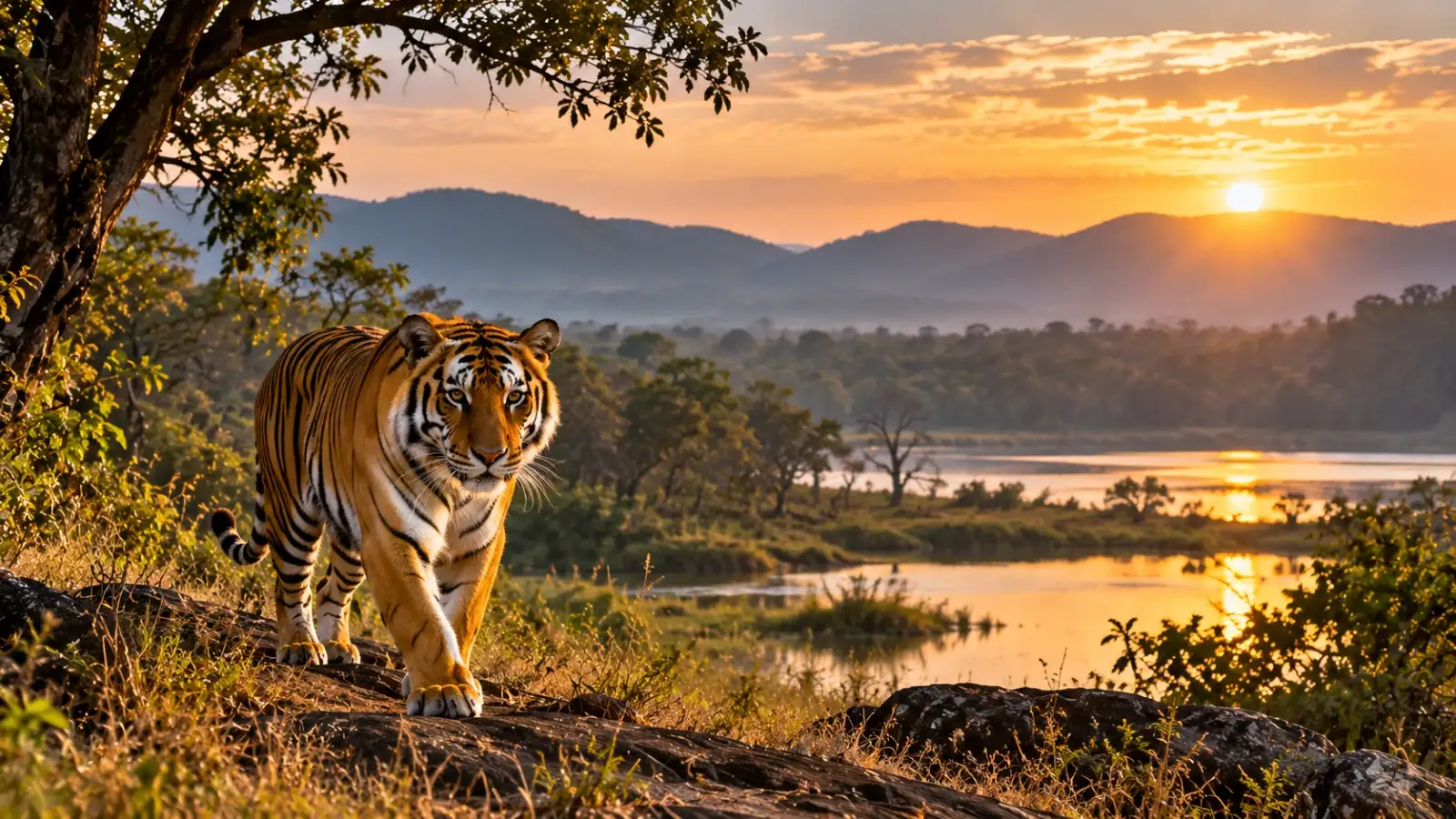
The experience varies considerably from one region to another. Central India's forests are known for tiger safaris, Assam offers expansive grasslands and wetlands, while Rajasthan combines dry forests with historic landscapes. Some parks are particularly appealing for birdwatching during winter, when migratory species arrive in different parts of the country.
A winter wildlife trip is not simply about looking for a particular animal. The best experiences come from observing the entire ecosystem, including deer, elephants, birds, reptiles and smaller mammals. Here are some national parks worth considering for a winter holiday.
The park is also home to elephants, wild water buffalo, swamp deer and tigers. Jeep and elephant safaris are among the experiences available to visitors, while the four main ranges provide different landscapes to explore. Assam Tourism recommends allowing two to three days to cover the major ranges.
Winter also brings comfortable conditions for exploring the park. The surrounding grasslands can be especially scenic in the morning light, when wildlife activity creates a lively atmosphere across the open landscape.
Incredible India identifies November to March as a suitable period for exploring Ranthambore, while winter temperatures are considerably more comfortable than the intense heat experienced later in the year.
Tigers are one of the park's biggest attractions, but the reserve also supports leopards, sloth bears, sambar, chital, crocodiles and numerous bird species. The lakes and grasslands can provide interesting wildlife-viewing opportunities during a safari.
The combination of wildlife, ancient ruins, hills and water bodies makes Ranthambore particularly distinctive among India's national parks.
The park is home to tigers, leopards, gaur, wild dogs, deer and the hard-ground barasingha. The Kanha landscape is particularly interesting during winter because the cooler conditions make extended jeep safaris more comfortable. Incredible India lists December to February as a period with pleasant weather for game drives.
Winter is also a good time to focus on the wider ecosystem rather than spending an entire safari looking for one species. Meadows can attract herbivores, while the forest supports a wide range of birdlife.
For travellers interested in photography, wildlife and forest landscapes, Kanha offers plenty of variety even when larger animals remain hidden.
The reserve contains several safari zones, including Tala, Magdhi and Khitauli. According to Incredible India, October to March provides pleasant weather for visiting, while the hotter months can sometimes offer better tiger visibility because animals gather near water sources and vegetation becomes thinner.
Winter therefore works particularly well for travellers who want comfortable safari conditions rather than specifically chasing the highest possible probability of seeing a tiger.
Along with tigers, visitors may encounter leopards, gaur, deer, wild elephants and a substantial variety of birds. The combination of forest, meadows and historic remains gives the park a distinctive character.
Incredible India highlights jeep safaris as well as walking and canoe experiences in permitted areas. The park supports tigers, leopards, gaur, sloth bears, wild dogs and Indian giant squirrels, along with more than 300 recorded bird species
Winter is particularly appealing here because cooler weather makes walking and longer outdoor activities more comfortable. The variety of ways to explore the landscape also means the experience does not have to revolve entirely around a jeep safari.
For travellers who want to spend more time observing the forest itself, Satpura provides a particularly varied wildlife experience.
Winter brings cooler conditions to the region, making it comfortable for morning and afternoon wildlife drives. The reserve is known for tigers, elephants, leopards, deer, crocodiles and a wide variety of birds.
The surrounding landscape also changes noticeably during the winter months. Early mornings can be cold, particularly during safaris, but the combination of mist, forest and soft sunlight can make the experience particularly atmospheric.
Corbett is also relatively accessible from northern Indian cities, making it a practical choice for travellers looking for a wildlife-focused weekend or short holiday.
Tigers are among its best-known inhabitants, but the park also supports elephants, leopards, swamp deer and numerous bird species. The open grasslands can be particularly interesting during winter, when cooler temperatures make wildlife drives more comfortable.
The Terai landscape is also important for birdwatchers. Winter can bring migratory birds to wetlands and grasslands across northern India, adding another dimension to a visit.
For travellers based in northern India who want a quieter wildlife experience, Dudhwa is an interesting alternative to the more famous Rajasthan and Madhya Pradesh reserves.
Assam Tourism describes Manas as one of the state's important wildlife destinations, while winter is among the more practical periods for exploring Assam's national parks. Jeep safaris allow visitors to travel through forest and grassland habitats where elephants, rhinos, deer, birds and other wildlife can be encountered.
The cooler winter weather also makes extended outdoor excursions more comfortable. Birdwatchers may find the season particularly rewarding because winter is an important period for migratory bird activity in many parts of Assam.
Manas is therefore well suited to travellers who want a broader wildlife experience rather than a trip focused on a single species.
The landscape is associated with the forest setting that inspired parts of Rudyard Kipling's The Jungle Book, although the real forest is considerably more complex than its literary representation.
Winter temperatures make morning and afternoon safari drives more comfortable, particularly compared with the intense heat of April and May. The season also provides opportunities to observe animals in a forest landscape where vegetation has begun to thin.
Pench can be a good choice for travellers who want to combine wildlife viewing with a broader central Indian road trip.
Assam Tourism includes Nameri among the state's wildlife destinations and highlights activities such as jeep safari and river-based experiences in the wider region.
Winter offers comfortable conditions for exploring the park and surrounding landscapes. Birdwatchers can also benefit from the season's increased opportunities to observe different species across forest and river habitats.
Compared with some of India's famous tiger parks, Nameri offers a more nature-focused experience where the landscape and birdlife are major parts of the attraction.
November to April is listed by Assam Tourism as the best period to visit. The park's swampy grasslands and wetland habitats are particularly suited to winter wildlife viewing, when cooler weather makes safari outings more comfortable.
Its relatively compact size also means travellers can explore the park within a shorter itinerary. It can be combined with other Assam destinations for a broader wildlife holiday.
In some dry and deciduous forests, reduced vegetation can also improve visibility. However, this does not mean wildlife sightings are guaranteed. Animals remain wild and can disappear into dense vegetation, move across large territories or remain inactive during a particular safari.
Winter is also an excellent season for birdwatching in several parts of India. Parks and wetlands in northern and northeastern India can attract migratory birds, adding another reason to look beyond the larger mammals.
Neutral-coloured clothing is generally practical for wildlife watching, while comfortable closed footwear is useful for outdoor activities. Binoculars are also worth carrying if birdwatching is part of the itinerary.
It is equally important to follow the rules of each park. Avoid loud conversations, feeding animals or asking drivers to approach wildlife too closely for photographs. A responsible safari keeps the welfare of animals and the wider ecosystem ahead of getting the perfect picture.
In Assam, Manas, Nameri and Orang introduce travellers to the forests and wetlands of the northeast. Corbett and Dudhwa offer accessible alternatives for travellers exploring northern India, while Pench provides another route into central India's wildlife country.
The best winter wildlife holiday is not necessarily the one with the longest list of animals. It is the one that gives you enough time to appreciate the forest, follow responsible safari practices and experience the landscape on its own terms.
The experience varies considerably from one region to another. Central India's forests are known for tiger safaris, Assam offers expansive grasslands and wetlands, while Rajasthan combines dry forests with historic landscapes. Some parks are particularly appealing for birdwatching during winter, when migratory species arrive in different parts of the country.
A winter wildlife trip is not simply about looking for a particular animal. The best experiences come from observing the entire ecosystem, including deer, elephants, birds, reptiles and smaller mammals. Here are some national parks worth considering for a winter holiday.
Kaziranga National Park, Assam
Kaziranga is one of India's most distinctive wildlife destinations and is particularly attractive during the winter months. Assam Tourism lists November to April as the best period to visit, while the park's grasslands, wetlands and riverine landscape provide habitat for the famous one-horned rhinoceros.The park is also home to elephants, wild water buffalo, swamp deer and tigers. Jeep and elephant safaris are among the experiences available to visitors, while the four main ranges provide different landscapes to explore. Assam Tourism recommends allowing two to three days to cover the major ranges.
Winter also brings comfortable conditions for exploring the park. The surrounding grasslands can be especially scenic in the morning light, when wildlife activity creates a lively atmosphere across the open landscape.
Ranthambore National Park, Rajasthan
Ranthambore is one of India's most recognisable wildlife destinations and is particularly well suited to winter travel. The park's dry deciduous forests, lakes and rocky terrain create a dramatic setting, with the ruins of Ranthambore Fort adding a historical element to the landscape.Incredible India identifies November to March as a suitable period for exploring Ranthambore, while winter temperatures are considerably more comfortable than the intense heat experienced later in the year.
Tigers are one of the park's biggest attractions, but the reserve also supports leopards, sloth bears, sambar, chital, crocodiles and numerous bird species. The lakes and grasslands can provide interesting wildlife-viewing opportunities during a safari.
The combination of wildlife, ancient ruins, hills and water bodies makes Ranthambore particularly distinctive among India's national parks.
Kanha National Park , Madhya Pradesh
Kanha is an excellent option for travellers who want a classic central Indian forest experience. The landscape includes sal and bamboo forests, open meadows and water bodies, creating varied habitats for wildlife.The park is home to tigers, leopards, gaur, wild dogs, deer and the hard-ground barasingha. The Kanha landscape is particularly interesting during winter because the cooler conditions make extended jeep safaris more comfortable. Incredible India lists December to February as a period with pleasant weather for game drives.
Winter is also a good time to focus on the wider ecosystem rather than spending an entire safari looking for one species. Meadows can attract herbivores, while the forest supports a wide range of birdlife.
For travellers interested in photography, wildlife and forest landscapes, Kanha offers plenty of variety even when larger animals remain hidden.
Bandhavgarh National Park, Madhya Pradesh
Bandhavgarh combines wildlife with a striking historical landscape. The park is known for its tiger habitat, while the remains of Bandhavgarh Fort overlook parts of the surrounding forest.The reserve contains several safari zones, including Tala, Magdhi and Khitauli. According to Incredible India, October to March provides pleasant weather for visiting, while the hotter months can sometimes offer better tiger visibility because animals gather near water sources and vegetation becomes thinner.
Winter therefore works particularly well for travellers who want comfortable safari conditions rather than specifically chasing the highest possible probability of seeing a tiger.
Along with tigers, visitors may encounter leopards, gaur, deer, wild elephants and a substantial variety of birds. The combination of forest, meadows and historic remains gives the park a distinctive character.
Satpura National Park , Madhya Pradesh
Satpura offers a different style of wildlife holiday from the more conventional tiger safari experience. Its landscape includes rugged hills, valleys, forests, grasslands and the Denwa River.Incredible India highlights jeep safaris as well as walking and canoe experiences in permitted areas. The park supports tigers, leopards, gaur, sloth bears, wild dogs and Indian giant squirrels, along with more than 300 recorded bird species
Winter is particularly appealing here because cooler weather makes walking and longer outdoor activities more comfortable. The variety of ways to explore the landscape also means the experience does not have to revolve entirely around a jeep safari.
For travellers who want to spend more time observing the forest itself, Satpura provides a particularly varied wildlife experience.
Jim Corbett National Park, Uttarakhand
Jim Corbett National Park is one of India's most established wildlife destinations and forms part of the wider Corbett Tiger Reserve. Its landscape includes sal forests, grasslands, rivers and water bodies, creating a varied habitat for animals and birds.Winter brings cooler conditions to the region, making it comfortable for morning and afternoon wildlife drives. The reserve is known for tigers, elephants, leopards, deer, crocodiles and a wide variety of birds.
The surrounding landscape also changes noticeably during the winter months. Early mornings can be cold, particularly during safaris, but the combination of mist, forest and soft sunlight can make the experience particularly atmospheric.
Corbett is also relatively accessible from northern Indian cities, making it a practical choice for travellers looking for a wildlife-focused weekend or short holiday.
Dudhwa National Park, Uttar Pradesh
Dudhwa offers a very different landscape from the dry forests of Rajasthan. Located in the Terai region of Uttar Pradesh, the park combines grasslands, wetlands and forests, creating habitat for a wide variety of species.Tigers are among its best-known inhabitants, but the park also supports elephants, leopards, swamp deer and numerous bird species. The open grasslands can be particularly interesting during winter, when cooler temperatures make wildlife drives more comfortable.
The Terai landscape is also important for birdwatchers. Winter can bring migratory birds to wetlands and grasslands across northern India, adding another dimension to a visit.
For travellers based in northern India who want a quieter wildlife experience, Dudhwa is an interesting alternative to the more famous Rajasthan and Madhya Pradesh reserves.
Manas National Park, Assam
Manas offers a combination of grasslands, forests, rivers and Himalayan foothills. Located close to the Bhutan border, the park has an unusually varied landscape and is known for its rich biodiversity.Assam Tourism describes Manas as one of the state's important wildlife destinations, while winter is among the more practical periods for exploring Assam's national parks. Jeep safaris allow visitors to travel through forest and grassland habitats where elephants, rhinos, deer, birds and other wildlife can be encountered.
The cooler winter weather also makes extended outdoor excursions more comfortable. Birdwatchers may find the season particularly rewarding because winter is an important period for migratory bird activity in many parts of Assam.
Manas is therefore well suited to travellers who want a broader wildlife experience rather than a trip focused on a single species.
Pench National Park, Madhya Pradesh
Pench is another central Indian destination where winter works well for wildlife exploration. The park's forests and open areas provide habitat for tigers, leopards, wild dogs, gaur, deer and numerous bird species.The landscape is associated with the forest setting that inspired parts of Rudyard Kipling's The Jungle Book, although the real forest is considerably more complex than its literary representation.
Winter temperatures make morning and afternoon safari drives more comfortable, particularly compared with the intense heat of April and May. The season also provides opportunities to observe animals in a forest landscape where vegetation has begun to thin.
Pench can be a good choice for travellers who want to combine wildlife viewing with a broader central Indian road trip.
Nameri National Park, Assam
Nameri is a particularly interesting option for travellers who enjoy forests, rivers and birdwatching. Located near the Jia Bhoreli River, the park combines woodland with riverine habitats.Assam Tourism includes Nameri among the state's wildlife destinations and highlights activities such as jeep safari and river-based experiences in the wider region.
Winter offers comfortable conditions for exploring the park and surrounding landscapes. Birdwatchers can also benefit from the season's increased opportunities to observe different species across forest and river habitats.
Compared with some of India's famous tiger parks, Nameri offers a more nature-focused experience where the landscape and birdlife are major parts of the attraction.
Orang National Park, Assam
Orang is sometimes described by Assam Tourism as the "Mini Kaziranga" because of similarities in its landscape. The park is located on the north bank of the Brahmaputra and supports rhinos, elephants, tigers, leopards, deer and a variety of waterbirds.November to April is listed by Assam Tourism as the best period to visit. The park's swampy grasslands and wetland habitats are particularly suited to winter wildlife viewing, when cooler weather makes safari outings more comfortable.
You may also like
- 'My mom dies alone': Belgian trekker recounts how a legal battle in India kept him away from his dying mother
- Shikhar Dhawan Promotes Fitness at Faridabad Namo Half Marathon 2026
- Does a Feeding Pillow Really Help Breastfeeding Mothers?
- Who will not receive gas cylinder delivery after 4 days?
- Asked for money to get an Ayushman Card made? Here's where to complain
Its relatively compact size also means travellers can explore the park within a shorter itinerary. It can be combined with other Assam destinations for a broader wildlife holiday.
Why Winter Works Well for Wildlife Holidays
Winter has several practical advantages for wildlife travel in India. Cooler daytime temperatures mean that long safari drives are generally more comfortable, while early mornings can offer pleasant conditions for watching birds and animals become active.In some dry and deciduous forests, reduced vegetation can also improve visibility. However, this does not mean wildlife sightings are guaranteed. Animals remain wild and can disappear into dense vegetation, move across large territories or remain inactive during a particular safari.
Winter is also an excellent season for birdwatching in several parts of India. Parks and wetlands in northern and northeastern India can attract migratory birds, adding another reason to look beyond the larger mammals.
What to Pack for a Winter Safari
Winter safari conditions can be surprisingly cold, particularly during early morning drives. A warm jacket, thermal layers, gloves and a scarf can make a significant difference, especially in northern and central India.Neutral-coloured clothing is generally practical for wildlife watching, while comfortable closed footwear is useful for outdoor activities. Binoculars are also worth carrying if birdwatching is part of the itinerary.
It is equally important to follow the rules of each park. Avoid loud conversations, feeding animals or asking drivers to approach wildlife too closely for photographs. A responsible safari keeps the welfare of animals and the wider ecosystem ahead of getting the perfect picture.
Plan Your Winter Wildlife Escape
India's national parks offer very different winter experiences. Kaziranga brings vast grasslands and rhinoceroses, Ranthambore combines tigers with historic ruins, Kanha and Bandhavgarh offer classic central Indian forests, while Satpura provides opportunities to experience the landscape beyond a conventional jeep safari.In Assam, Manas, Nameri and Orang introduce travellers to the forests and wetlands of the northeast. Corbett and Dudhwa offer accessible alternatives for travellers exploring northern India, while Pench provides another route into central India's wildlife country.
The best winter wildlife holiday is not necessarily the one with the longest list of animals. It is the one that gives you enough time to appreciate the forest, follow responsible safari practices and experience the landscape on its own terms.






Loving Newspoint? Download the app now
