
Best Places for Food Trail in Delhi

Delhi is a great city for a food trail because its culinary character changes from one neighbourhood to another. A single day can take you from the traditional lanes of Old Delhi to Tibetan-inspired food in Majnu ka Tila and regional flavours at Dilli Haat. The key is to sample small portions so you can experience more dishes without making every stop a full meal.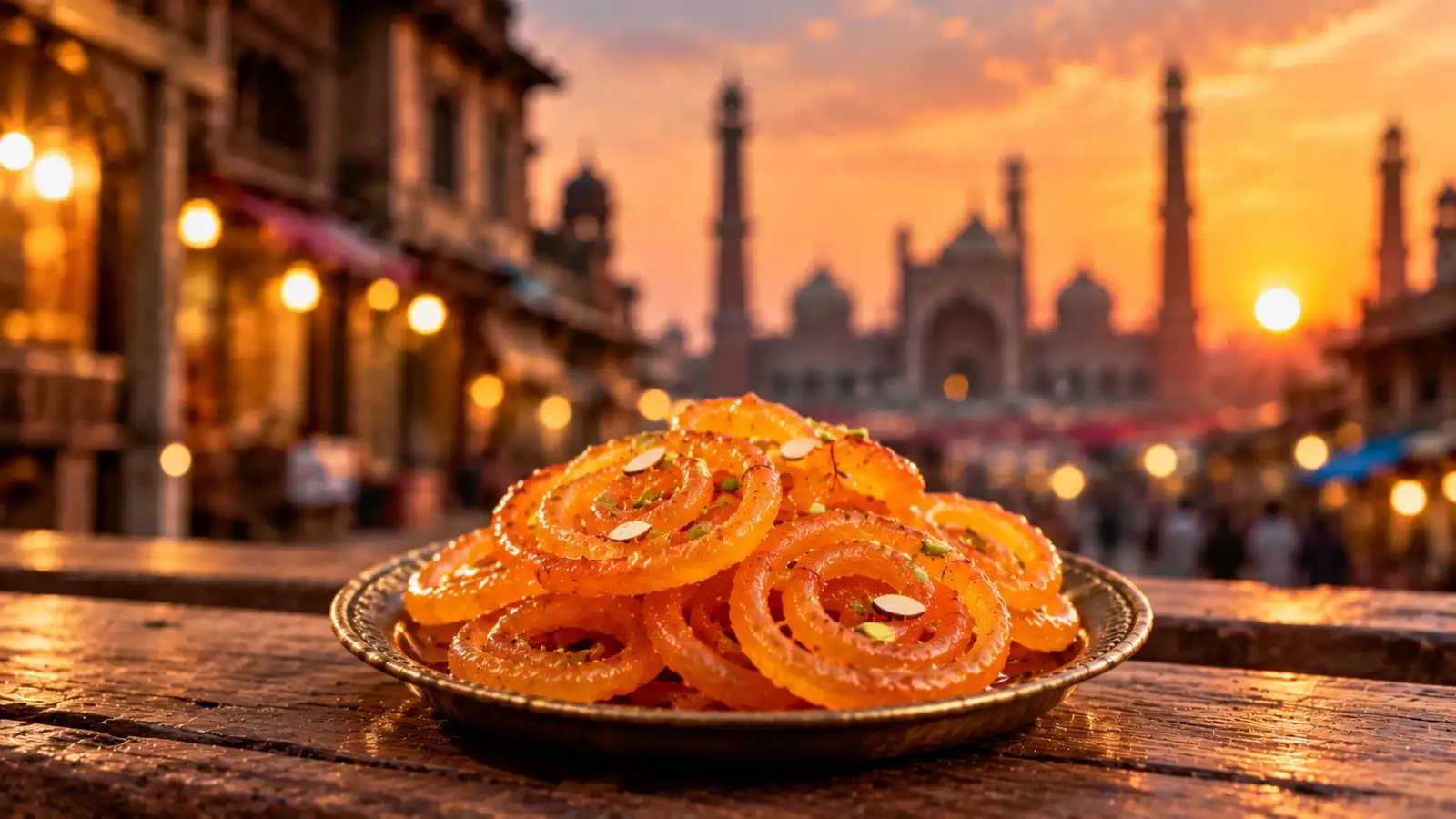
Start with a small portion of stuffed paratha, followed by a kachori or another savoury snack. Chandni Chowk is also known for chaat, sweets and jalebi, so you can pick one or two items rather than trying to eat everything at once.
The area can become crowded, particularly later in the day, so an early start makes the food walk more comfortable. Walking through the old lanes also gives you a chance to experience the distinctive atmosphere of Old Delhi beyond its food.
This is a good place to try dishes such as kebabs, breads and other traditional preparations. Those following a vegetarian trail can instead look for vegetarian snacks, chaat, sweets and refreshing drinks available in the surrounding area.
Rather than ordering a complete meal, share a few dishes with your companions. This leaves enough room for the later stops on the trail.
This also gives you time to travel across the city without rushing from one food stop to another. Since Delhi is spread across a large area, planning the route in advance can make the day much easier.
The area has numerous small eateries and cafés where you can explore Tibetan and Himalayan flavours. Momos are among the most popular choices, while thukpa offers a warm and filling alternative.
You can also look for dishes such as tingmo, a steamed Tibetan bread, and other Tibetan-style preparations. Tea and coffee are also popular choices if you want a lighter break between meals.
The narrow lanes and compact cafes give this part of the trail a completely different character from Old Delhi. Sharing a few dishes is again the best way to sample several flavours.
The open-air complex has food stalls representing different parts of the country. Depending on what is available during your visit, you can sample regional dishes from different states rather than choosing one large dinner.
This makes Dilli Haat a particularly interesting final stop because the food experience can vary from one visit to another. After eating, you can also browse the handicrafts and other traditional products available within the complex.
If you have already eaten several savoury dishes, choose a small portion or share a dessert. This lets you finish the day on a sweet note without feeling overly full.
Late morning: Jama Masjid area → Old Delhi specialities
Afternoon: Break and travel
Lunch: Majnu ka Tila → Tibetan and Himalayan food
Evening: Dilli Haat INA → regional Indian cuisines
Final stop: Traditional sweet or dessert
Wear comfortable footwear because exploring Chandni Chowk and other busy neighbourhoods involves considerable walking. Carry water and allow extra time for traffic, crowds and queues.
It is also sensible to check the timings and current availability of food stalls before visiting, as individual businesses and stalls may change their operating hours.
Most importantly, do not treat the trail as a race to cover as many dishes as possible. Delhi's food culture is best experienced slowly, with time to explore the neighbourhoods, observe their atmosphere and enjoy the contrast between different culinary traditions.
Start With Breakfast in Chandni Chowk
Begin the trail in Chandni Chowk, one of Delhi's best-known food and shopping areas. The narrow lanes around the market offer plenty of opportunities to sample traditional breakfast dishes and snacks.Start with a small portion of stuffed paratha, followed by a kachori or another savoury snack. Chandni Chowk is also known for chaat, sweets and jalebi, so you can pick one or two items rather than trying to eat everything at once.
The area can become crowded, particularly later in the day, so an early start makes the food walk more comfortable. Walking through the old lanes also gives you a chance to experience the distinctive atmosphere of Old Delhi beyond its food.
Explore the Food Around Jama Masjid
From Chandni Chowk, continue towards the Jama Masjid area. The lanes around this historic landmark are associated with Old Delhi's rich Mughlai food culture.This is a good place to try dishes such as kebabs, breads and other traditional preparations. Those following a vegetarian trail can instead look for vegetarian snacks, chaat, sweets and refreshing drinks available in the surrounding area.
Rather than ordering a complete meal, share a few dishes with your companions. This leaves enough room for the later stops on the trail.
Take a Break in the Afternoon
A food trail should include some time for rest. After exploring Old Delhi, take a break before heading towards the next destination.This also gives you time to travel across the city without rushing from one food stop to another. Since Delhi is spread across a large area, planning the route in advance can make the day much easier.
Try Tibetan Food in Majnu Ka Tila
For the next major stop, head to Majnu ka Tila, a neighbourhood known for its Tibetan influence and distinctive food culture.The area has numerous small eateries and cafés where you can explore Tibetan and Himalayan flavours. Momos are among the most popular choices, while thukpa offers a warm and filling alternative.
You can also look for dishes such as tingmo, a steamed Tibetan bread, and other Tibetan-style preparations. Tea and coffee are also popular choices if you want a lighter break between meals.
The narrow lanes and compact cafes give this part of the trail a completely different character from Old Delhi. Sharing a few dishes is again the best way to sample several flavours.
Finish at Dilli Haat INA
In the evening, head to Dilli Haat INA, where food becomes a way to explore different regional cuisines.The open-air complex has food stalls representing different parts of the country. Depending on what is available during your visit, you can sample regional dishes from different states rather than choosing one large dinner.
This makes Dilli Haat a particularly interesting final stop because the food experience can vary from one visit to another. After eating, you can also browse the handicrafts and other traditional products available within the complex.
Keep Room for Dessert
No Delhi food trail is complete without something sweet. Depending on your route, you can finish with jalebi, traditional Indian sweets, kulfi or another dessert.If you have already eaten several savoury dishes, choose a small portion or share a dessert. This lets you finish the day on a sweet note without feeling overly full.
A Simple One-Day Food Trail
Morning: Chandni Chowk → traditional breakfast and snacksYou may also like
- A life of your own: Why 'solomaxxing' is the new relationship goal
- Transform your home with Soulful Sage: Dulux's 2027 Colour of the Year for a luxurious touch
- Full Support from Government for Cancer Research and Preventive Efforts": Health Minister Inaugurates Aster Quality Care Cancer Conclave
- Sigma Box Office Collection Day 2: Sundeep Kishan Film Records ₹1.50 Crore on Saturday
- Why Does South India Worship Mahabharata's Shakuni?
Late morning: Jama Masjid area → Old Delhi specialities
Afternoon: Break and travel
Lunch: Majnu ka Tila → Tibetan and Himalayan food
Evening: Dilli Haat INA → regional Indian cuisines
Final stop: Traditional sweet or dessert
Tips for Planning the Food Trail
The best approach is to eat small portions and share dishes. Trying a little at several locations is more enjoyable than having large meals at every stop.Wear comfortable footwear because exploring Chandni Chowk and other busy neighbourhoods involves considerable walking. Carry water and allow extra time for traffic, crowds and queues.
It is also sensible to check the timings and current availability of food stalls before visiting, as individual businesses and stalls may change their operating hours.
Most importantly, do not treat the trail as a race to cover as many dishes as possible. Delhi's food culture is best experienced slowly, with time to explore the neighbourhoods, observe their atmosphere and enjoy the contrast between different culinary traditions.






Loving Newspoint? Download the app now
