
Where to See the Northern Lights: Best Places to Visit

The Northern Lights, also known as the Aurora Borealis , are among nature's most breathtaking spectacles. Shimmering curtains of green, purple, pink, and blue dance across the night sky, creating an unforgettable experience for travellers. While this magical display is never guaranteed, choosing the right destination and visiting during the peak aurora season can significantly improve your chances of witnessing it. From Arctic wilderness to charming Nordic towns, here are some of the best places in the world to see the Northern Lights.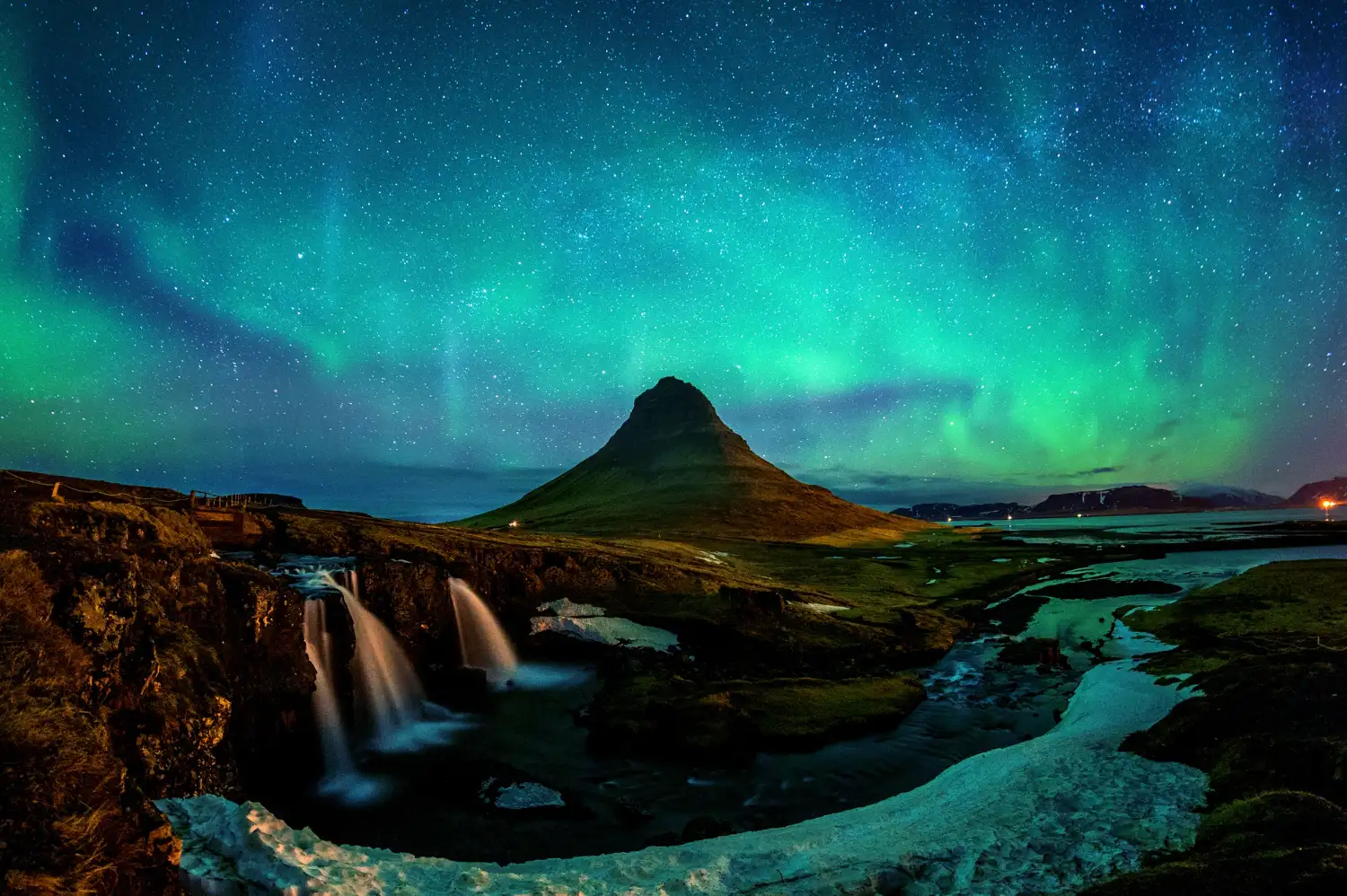
Tromso, Norway
Often called the "Gateway to the Arctic," Tromso is one of the world's most popular destinations for aurora hunting. Located well within the Arctic Circle, the city offers excellent viewing conditions from September to March.
Visitors can join guided Northern Lights tours that travel away from city lights to maximise visibility. Besides the aurora, Tromsø offers dog sledding, whale watching, Sami cultural experiences, and spectacular fjord scenery.
Abisko National Park, Sweden
Abisko National Park is renowned for its exceptionally clear skies. Thanks to a unique weather phenomenon known as the "Blue Hole of Abisko," cloud cover is often lower here than in surrounding regions.
The Aurora Sky Station, perched on Mount Nuolja, provides one of Sweden's finest viewing spots. The combination of minimal light pollution and stable weather makes Abisko a favourite among photographers and nature enthusiasts.
Reykjavik and Southern Iceland
Iceland offers countless opportunities to witness the Northern Lights against dramatic landscapes featuring waterfalls, glaciers, volcanoes, and black-sand beaches.
While Reykjavík itself occasionally experiences auroras, travelling just outside the city dramatically improves viewing conditions. Popular locations include Thingvellir National Park, Jokulsarlon Glacier Lagoon, and the South Coast. The aurora season generally runs from September to April.
Fairbanks, Alaska, USA
Fairbanks sits directly beneath the "Auroral Oval," a region with some of the world's highest aurora activity. This makes it one of North America's top Northern Lights destinations .
The best viewing months are from late August through April. Visitors often combine aurora tours with relaxing hot springs, snowmobiling, ice fishing, and visits to nearby wilderness lodges for an authentic Alaskan adventure.
Yellowknife, Canada
Yellowknife, located in Canada's Northwest Territories, enjoys long, dark winter nights and consistently clear skies, making it one of the most reliable places to see the Northern Lights.
The aurora season stretches from late August until April. Visitors can stay in heated viewing cabins or lakeside lodges while waiting for the colourful lights to illuminate the sky.
Rovaniemi, Finland
Known as the official hometown of Santa Claus, Rovaniemi combines festive charm with excellent aurora viewing opportunities.
Glass igloos and panoramic cabins allow guests to admire the Northern Lights from the comfort of their accommodation. Snowy forests, reindeer sleigh rides, husky safaris, and Finnish saunas make Rovaniemi an unforgettable winter destination.
Finnish Lapland
Beyond Rovaniemi, Finnish Lapland is filled with peaceful villages such as Saariselkä, Levi, and Ylläs, where minimal light pollution creates ideal aurora conditions.
Tromso, Norway
Often called the "Gateway to the Arctic," Tromso is one of the world's most popular destinations for aurora hunting. Located well within the Arctic Circle, the city offers excellent viewing conditions from September to March. Visitors can join guided Northern Lights tours that travel away from city lights to maximise visibility. Besides the aurora, Tromsø offers dog sledding, whale watching, Sami cultural experiences, and spectacular fjord scenery.
Abisko National Park, Sweden
Abisko National Park is renowned for its exceptionally clear skies. Thanks to a unique weather phenomenon known as the "Blue Hole of Abisko," cloud cover is often lower here than in surrounding regions. The Aurora Sky Station, perched on Mount Nuolja, provides one of Sweden's finest viewing spots. The combination of minimal light pollution and stable weather makes Abisko a favourite among photographers and nature enthusiasts.
Reykjavik and Southern Iceland
Iceland offers countless opportunities to witness the Northern Lights against dramatic landscapes featuring waterfalls, glaciers, volcanoes, and black-sand beaches. While Reykjavík itself occasionally experiences auroras, travelling just outside the city dramatically improves viewing conditions. Popular locations include Thingvellir National Park, Jokulsarlon Glacier Lagoon, and the South Coast. The aurora season generally runs from September to April.
Fairbanks, Alaska, USA
Fairbanks sits directly beneath the "Auroral Oval," a region with some of the world's highest aurora activity. This makes it one of North America's top Northern Lights destinations . The best viewing months are from late August through April. Visitors often combine aurora tours with relaxing hot springs, snowmobiling, ice fishing, and visits to nearby wilderness lodges for an authentic Alaskan adventure.
Yellowknife, Canada
Yellowknife, located in Canada's Northwest Territories, enjoys long, dark winter nights and consistently clear skies, making it one of the most reliable places to see the Northern Lights. The aurora season stretches from late August until April. Visitors can stay in heated viewing cabins or lakeside lodges while waiting for the colourful lights to illuminate the sky.
Rovaniemi, Finland
Known as the official hometown of Santa Claus, Rovaniemi combines festive charm with excellent aurora viewing opportunities. Glass igloos and panoramic cabins allow guests to admire the Northern Lights from the comfort of their accommodation. Snowy forests, reindeer sleigh rides, husky safaris, and Finnish saunas make Rovaniemi an unforgettable winter destination.
Finnish Lapland
Beyond Rovaniemi, Finnish Lapland is filled with peaceful villages such as Saariselkä, Levi, and Ylläs, where minimal light pollution creates ideal aurora conditions.Next Story