
Natural Mosquito Repellent Plants for Home and Garden

Mosquitoes can quickly ruin time spent indoors or in the garden. While sprays and chemical repellents offer temporary relief, certain plants naturally release fragrances that mosquitoes find unpleasant. Adding these plants to your home, balcony, or backyard can help reduce mosquito activity while enhancing the beauty and freshness of your space.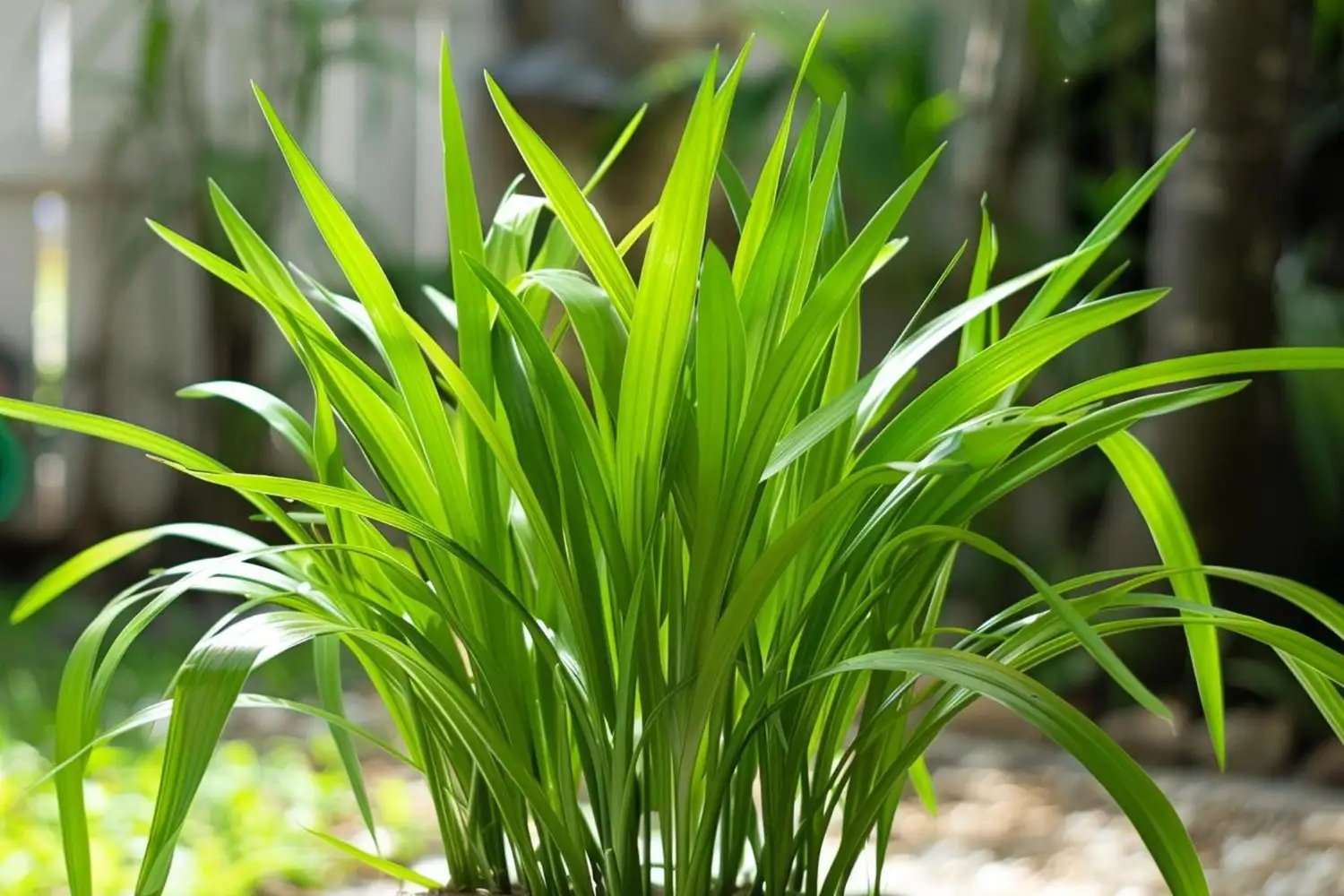
Here are some of the best mosquito-repelling plants and tips on how to grow them.
1. Citronella
Citronella is one of the most well-known natural mosquito repellents. It produces a fresh citrus scent that masks the smells mosquitoes use to locate people.
Why it works:
2. Lavender
Lavender's calming fragrance is loved by people but disliked by mosquitoes. Its beautiful purple flowers also attract beneficial pollinators like bees and butterflies.
Benefits:
3. Basil
Basil is a versatile kitchen herb that also helps keep mosquitoes away. The aromatic leaves release oils that insects find unpleasant.
Why grow basil:
4. Lemongrass
Lemongrass contains citronella oil naturally, making it an excellent choice for mosquito control.
Advantages:
5. Mint
Mint spreads quickly and releases a refreshing aroma that mosquitoes dislike. It is ideal for container gardening.
Benefits:
6. Rosemary
Rosemary is another aromatic herb that naturally repels mosquitoes. Its woody fragrance makes it perfect for outdoor seating areas.
Why choose rosemary:
7. Marigold
Marigolds brighten gardens with vibrant blooms while helping deter mosquitoes and other pests.
Benefits:
8. Catnip
Catnip belongs to the mint family and contains compounds that may be effective in repelling mosquitoes.
Advantages:
9. Scented Geranium
Certain scented geranium varieties produce a lemon-like fragrance that helps discourage mosquitoes.
Benefits:
10. Peppermint
Peppermint produces a strong cooling scent that mosquitoes generally avoid.
Why grow peppermint:
Tips to Maximize Their Effectiveness
Simply placing mosquito-repelling plants around your home may not eliminate mosquitoes completely, but they can contribute to a more comfortable outdoor environment. For the best results:
Do These Plants Completely Eliminate Mosquitoes?
While these plants can help discourage mosquitoes with their natural scents, they are not a complete solution. Their effectiveness is greatest when paired with good mosquito-control practices such as eliminating standing water, using window screens, and maintaining clean outdoor spaces.
Growing mosquito-repelling plants is an eco-friendly and attractive way to reduce mosquito activity around your home. Whether you choose citronella, lavender, basil, lemongrass, or marigolds, these plants offer multiple benefits beyond pest control, including pleasant fragrances, culinary uses, and beautiful greenery. By combining these natural plants with proper mosquito prevention measures, you can enjoy a more comfortable indoor and outdoor living space.
Here are some of the best mosquito-repelling plants and tips on how to grow them.
1. Citronella
Citronella is one of the most well-known natural mosquito repellents. It produces a fresh citrus scent that masks the smells mosquitoes use to locate people.Why it works:
- Rich in citronella oil
- Effective around patios and gardens
- Easy to grow in warm climates
- Requires full sunlight
- Needs well-drained soil
- Water regularly but avoid waterlogging
2. Lavender
Lavender's calming fragrance is loved by people but disliked by mosquitoes. Its beautiful purple flowers also attract beneficial pollinators like bees and butterflies. Benefits:
- Natural mosquito repellent
- Pleasant floral fragrance
- Low maintenance once established
- Place in sunny locations
- Use well-draining soil
- Avoid overwatering
3. Basil
Basil is a versatile kitchen herb that also helps keep mosquitoes away. The aromatic leaves release oils that insects find unpleasant.You may also like
- Australian woman gives birth to rare identical quadruplet girls after naturally conceived pregnancy
- Health Tips: Why Drinking Tea or Coffee on an Empty Stomach May Not Be the Best Way to Start Your Day
- Monsoon Shoe Care: 5 Easy Ways to Protect Your Leather Shoes During the Rainy Season
- Why Your Beard Never Looks Full and Healthy
- Goa raises casino entry age bar: Travellers under 21 can no longer enter gambling zones; what visitors need to know
Why grow basil:
- Fresh herb for cooking
- Easy to maintain
- Suitable for pots and balconies
- Needs at least six hours of sunlight
- Water when the topsoil feels dry
- Pinch flowers to encourage leafy growth
4. Lemongrass
Lemongrass contains citronella oil naturally, making it an excellent choice for mosquito control. Advantages:
- Strong citrus aroma
- Fast-growing plant
- Great for landscaping and cooking
- Prefers full sun
- Water consistently
- Protect from frost in colder regions
5. Mint
Mint spreads quickly and releases a refreshing aroma that mosquitoes dislike. It is ideal for container gardening. Benefits:
- Easy to grow
- Useful in drinks and recipes
- Pleasant fragrance
- Grow in pots to control spreading
- Keep soil evenly moist
- Place in partial to full sunlight
6. Rosemary
Rosemary is another aromatic herb that naturally repels mosquitoes. Its woody fragrance makes it perfect for outdoor seating areas. Why choose rosemary:
- Culinary herb
- Drought tolerant
- Attractive evergreen plant
- Requires full sunlight
- Water moderately
- Ensure proper drainage
7. Marigold
Marigolds brighten gardens with vibrant blooms while helping deter mosquitoes and other pests.Benefits:
- Attractive flowers
- Easy to grow
- Repels several garden insects
- Plant in sunny areas
- Remove faded flowers regularly
- Water when soil begins to dry
8. Catnip
Catnip belongs to the mint family and contains compounds that may be effective in repelling mosquitoes. Advantages:
- Easy-growing perennial
- Attracts cats
- Suitable for garden borders
- Full sun to partial shade
- Moderate watering
- Trim regularly for healthy growth
9. Scented Geranium
Certain scented geranium varieties produce a lemon-like fragrance that helps discourage mosquitoes. Benefits:
- Decorative flowers
- Pleasant aroma
- Suitable for containers
- Keep in bright sunlight
- Allow soil to dry slightly between watering
- Fertilize during the growing season
10. Peppermint
Peppermint produces a strong cooling scent that mosquitoes generally avoid. Why grow peppermint:
- Fresh leaves for tea
- Easy container plant
- Aromatic foliage
- Keep soil moist
- Grow in partial to full sun
- Prune regularly to maintain shape
Tips to Maximize Their Effectiveness
Simply placing mosquito-repelling plants around your home may not eliminate mosquitoes completely, but they can contribute to a more comfortable outdoor environment. For the best results: - Position plants near windows, balconies, patios, and doorways.
- Crush a few leaves occasionally to release more aromatic oils.
- Remove stagnant water from your surroundings to prevent mosquito breeding.
- Combine several mosquito-repelling plants for stronger natural protection.
- Keep plants healthy through regular watering and pruning.
Do These Plants Completely Eliminate Mosquitoes?
While these plants can help discourage mosquitoes with their natural scents, they are not a complete solution. Their effectiveness is greatest when paired with good mosquito-control practices such as eliminating standing water, using window screens, and maintaining clean outdoor spaces. Growing mosquito-repelling plants is an eco-friendly and attractive way to reduce mosquito activity around your home. Whether you choose citronella, lavender, basil, lemongrass, or marigolds, these plants offer multiple benefits beyond pest control, including pleasant fragrances, culinary uses, and beautiful greenery. By combining these natural plants with proper mosquito prevention measures, you can enjoy a more comfortable indoor and outdoor living space.






Loving Newspoint? Download the app now
